'Seek Votes, Then Hit People': Court Raps Sena Leader In Doctors' Attack Case
Source Entity
NDTV News Search Records Found 1000
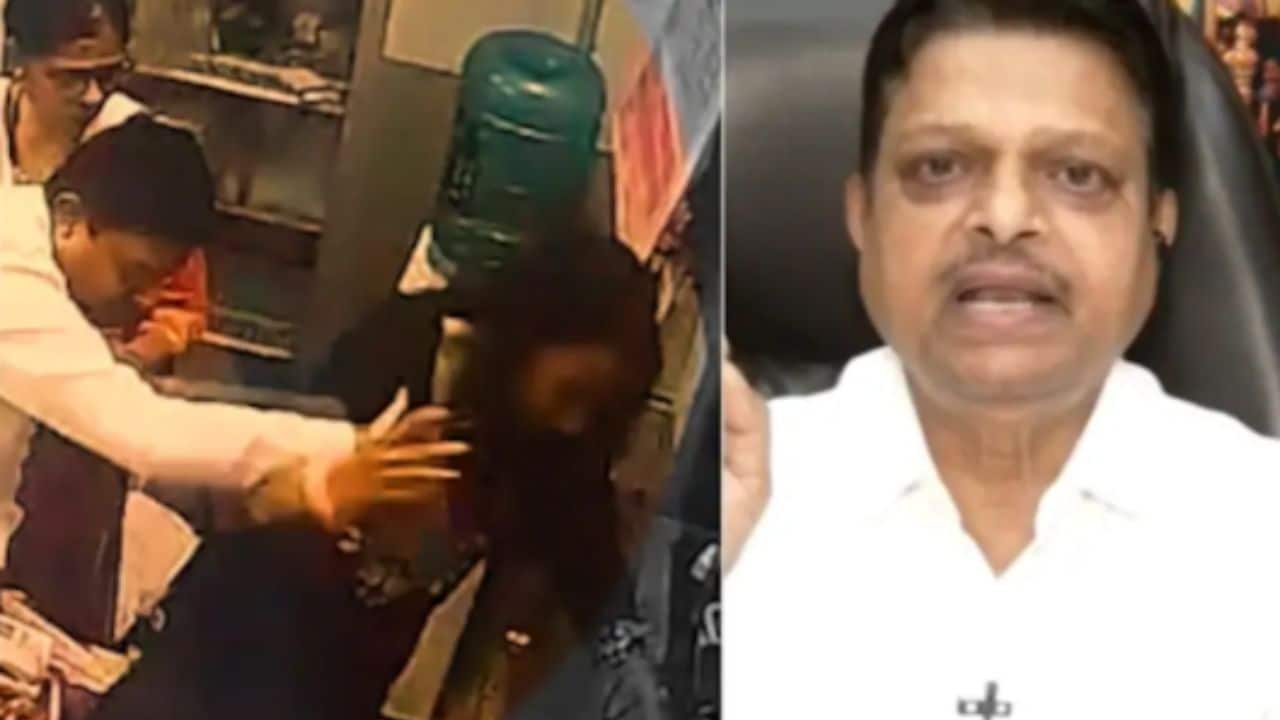
Shiv Sena corporator Ramesh Mhatre has been arrested following an assault on medical staff at a municipal hospital in Dombivli. The court has condemned the incident, highlighting the hypocrisy of political figures attacking those they are sworn to serve.
Political Accountability and the Protection of Medical Professionals
The recent arrest of Shiv Sena corporator Ramesh Mhatre marks a significant development in the ongoing struggle to ensure the safety of healthcare workers in India. Mhatre, along with five others, was taken into custody following an alleged assault on doctors and hospital staff at a municipal facility in Dombivli. This incident has sparked widespread outrage, serving as a stark reminder of the vulnerability of medical professionals who often work under intense pressure in public health infrastructure.
The Judicial Stance Against Political Violence
The judiciary's response to this event has been notably stern, with the court delivering a sharp rebuke to the politician. By stating, "Seek votes, then hit people," the court highlighted the profound moral dissonance inherent in a representative of the public turning violent against the very citizens and service providers they are elected to protect. This judicial intervention is crucial, as it sets a precedent that political stature does not grant immunity from the law, especially when such actions disrupt essential public services.
Broader Implications for Healthcare Infrastructure
Incidents of violence against medical personnel are not isolated occurrences in India; they represent a systemic issue that threatens the integrity of the public healthcare system. When corporators or political figures engage in such behavior, it sends a chilling message to the medical community, potentially discouraging professionals from serving in municipal hospitals. The disruption caused by such altercations can lead to the temporary cessation of critical care services, ultimately harming the most vulnerable segments of the population who rely on these institutions.
Historical Context and Political Conduct
The behavior of local political figures, or corporators, often serves as a microcosm of broader political conduct. Historically, municipal politics in urban centers like Thane and Dombivli have been characterized by close interactions between leaders and their constituents. However, when these interactions devolve into physical aggression, it undermines the democratic process. The arrest of Mhatre and his five associates serves as a necessary enforcement action to curb the culture of impunity that sometimes surrounds local political power.
Future Trends and Policy Necessity
Moving forward, the focus must shift toward institutionalizing protective measures for healthcare workers. While legal action is a reactive measure, proactive strategies—such as increased security protocols and zero-tolerance policies for violence in hospitals—are essential to preventing such occurrences. If political parties do not enforce internal accountability, the judiciary will likely continue to intervene with greater frequency to protect the sanctity of medical environments.
Conclusion
In conclusion, the arrest of Ramesh Mhatre is a victory for the rule of law and a necessary step in curbing violence against healthcare workers. It underscores the necessity for political figures to maintain decorum and respect for public servants. For the healthcare system to function effectively, it must remain a sanctuary free from political intimidation, ensuring that those who work to save lives are protected from the very people they serve.
Verification Required?