Bail to Shiv Sena corporator who thrashed doctors at Mumbai hospital
Source Entity
The Indian Express
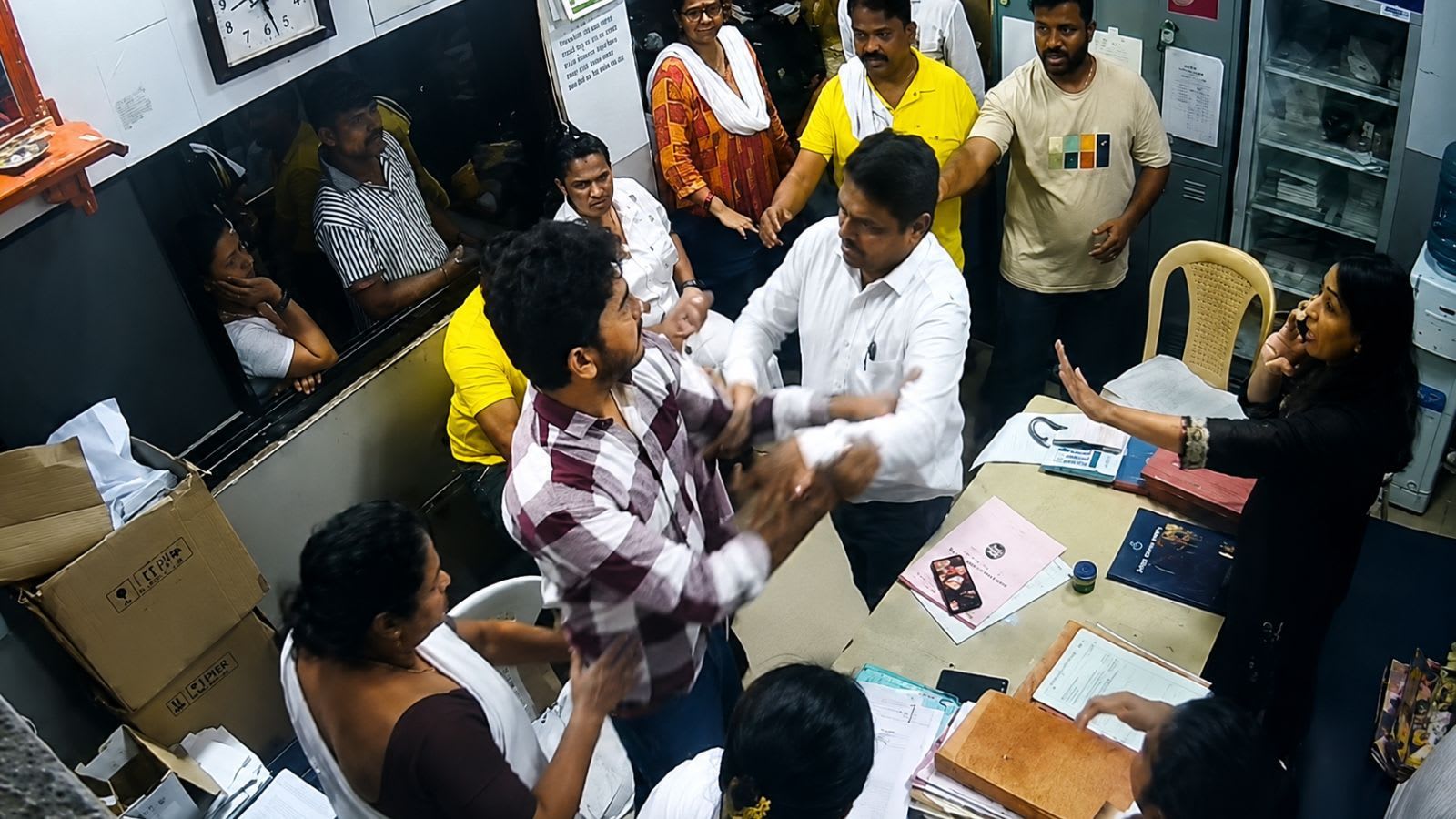
A Kalyan court has granted bail to a Shiv Sena corporator, Mhatre, who was arrested by the Thane City Police for allegedly assaulting doctors and nurses at the Shastri Nagar Hospital in Dombivli.
Legal Relief for Political Figure Amidst Healthcare Violence
In a development that highlights the intersection of local politics and criminal law, a Kalyan court has granted bail to a Shiv Sena corporator, identified as Mhatre, who had been detained for his alleged involvement in an assault on medical professionals. The incident took place at the Shastri Nagar Hospital in Dombivli, where Mhatre is accused of thrashing doctors and nurses. The arrest was carried out by the Thane City Police following reports of violence that disrupted the critical operations of the healthcare facility.
The Incident and Immediate Aftermath
The assault at Shastri Nagar Hospital is not merely an isolated scuffle but represents a severe breach of the sanctuary that hospitals are intended to be. According to the reports, the corporator's actions targeted both doctors and nursing staff, creating an atmosphere of fear and instability within the clinic. Such incidents often stem from disputes over patient care, administrative delays, or the perceived lack of urgency in medical treatment, but the escalation to physical violence by a public representative exacerbates the trauma for the medical staff involved.
Political Influence and Public Perception
The involvement of a Shiv Sena corporator adds a layer of political complexity to the case. In the regional landscape of Maharashtra, local corporators often wield significant influence over community affairs and local administration. When a political figure is accused of violence against essential service providers, it raises critical questions regarding the accountability of elected officials. The swift movement from arrest to the granting of bail by the Kalyan court may be perceived by the public and the medical community as a reflection of the political clout associated with the accused, potentially undermining the perceived deterrent effect of the law.
The Crisis of Violence Against Healthcare Workers
This event mirrors a troubling and systemic trend across India: the increasing frequency of violence against healthcare professionals. Doctors and nurses are frequently subjected to verbal and physical abuse by patients' relatives or influential individuals during high-stress medical emergencies. This phenomenon has led to widespread protests by medical associations calling for the strict implementation of the Healthcare Service Personnel and Clinical Establishments Act. The attack at Dombivli serves as a stark reminder that without stringent legal safeguards and a culture of respect for medical practitioners, the quality of healthcare delivery may suffer as professionals fear for their personal safety.
Legal Implications of the Bail Decision
From a legal standpoint, the granting of bail by the Kalyan court indicates that the judicial body found the current grounds for detention insufficient to keep the accused in custody pending trial. While bail is a standard legal right, in cases involving the assault of public servants or essential workers, the timing and conditions of the release are often scrutinized. The Thane City Police must now ensure a robust investigation to provide sufficient evidence during the trial to ensure that the legal process reaches a just conclusion, regardless of the defendant's political affiliation.
Conclusion and Future Outlook
Ultimately, the case of Corporator Mhatre underscores the urgent need for a dual approach: stricter enforcement of laws protecting medical staff and a shift in the social contract regarding how public representatives interact with essential service providers. Moving forward, it is expected that medical associations in the Thane and Mumbai regions will intensify their demands for increased security in hospitals. If such incidents continue to result in quick legal reliefs for the perpetrators, the friction between the medical community and local political elements is likely to intensify, potentially leading to larger-scale strikes or protests.