Knowledge Nugget | Sirpur in UNESCO’s Tentative List: What makes this ancient site significant?
Source Entity
Roshni Yadav
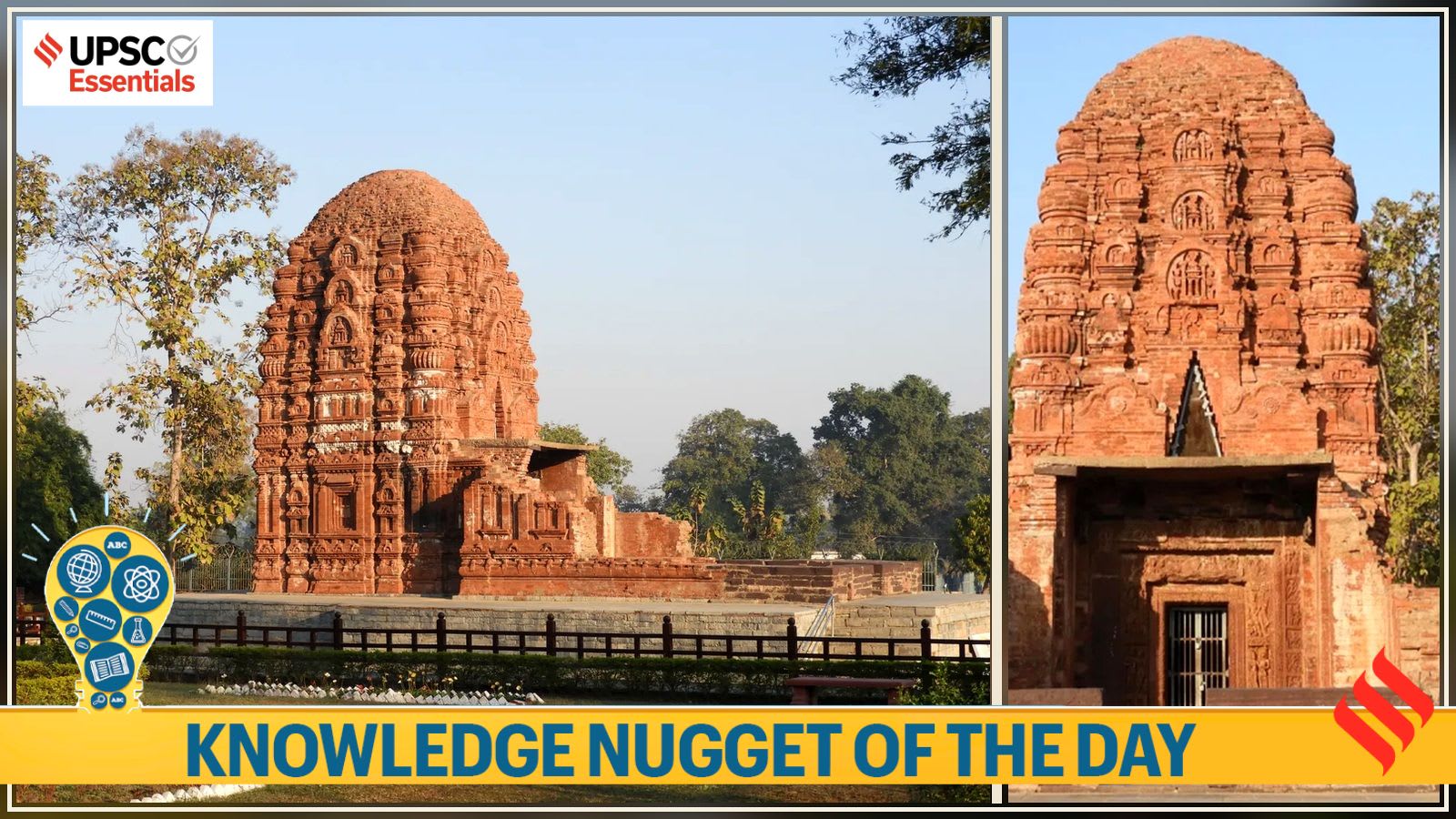
The archaeological site of Sirpur has been added to UNESCO's tentative list, highlighting its significance as a multi-religious heritage site. This inclusion, alongside other Indian sites, marks a milestone in the nation's efforts to achieve World Heritage status for its diverse cultural landmarks.
The Significance of Sirpur’s UNESCO Recognition
Sirpur, an expansive archaeological treasure trove, has recently been included in UNESCO’s tentative list, a crucial step toward achieving formal World Heritage status. This recognition underscores the site's immense historical and cultural value, as it serves as a testament to the coexistence of diverse religious traditions. Spanning from the 5th to the 12th century CE, the site provides a unique window into the evolution of Indian civilization, reflecting the architectural and spiritual shifts that occurred over seven centuries.
A Melting Pot of Ancient Traditions
The most striking aspect of Sirpur is its representation of multiple religious traditions within a single geographical space. The remnants found at the site demonstrate the harmonious influence of Hinduism, Buddhism, and Jainism. This pluralistic heritage is rare and offers historians and archaeologists a complex narrative of how these belief systems interacted and thrived in ancient India. By preserving these structures, the site acts as a bridge to understanding the social and religious fabric of early medieval India.
Expanding India’s Heritage Footprint
The inclusion of Sirpur is part of a broader momentum in India’s efforts to document and protect its diverse archaeological assets. Alongside Sirpur, the Karst-mud-volcano complex of Baratang and the Andaman subduction volcanoes have also been added to the list. These additions bring India’s total number of sites on the UNESCO tentative list to 81. This strategic expansion reflects a growing national commitment to highlighting not just cultural artifacts, but also the unique geological features that define the Indian subcontinent.
The Path to World Heritage Status
Being added to the tentative list is a prerequisite for any site hoping to be inscribed as a UNESCO World Heritage Site. This status requires a rigorous evaluation process where the site must demonstrate 'Outstanding Universal Value.' For Sirpur, this means documenting its preservation state, management plans, and its unique contribution to human history. The international recognition would not only bolster conservation efforts but also elevate the site’s profile globally, potentially boosting cultural tourism in the region.
Broader Implications for Historical Preservation
The inclusion of such diverse sites—ranging from ancient temples and monasteries to complex geological formations—signals a sophisticated approach to heritage management. By identifying sites that represent both human ingenuity and natural phenomena, the national strategy aims to create a comprehensive map of India's heritage. This ensures that the narratives of smaller, yet historically significant, locations like Sirpur are not lost to time but are instead integrated into the global discourse of human history.
Future Trends and Outlook
As India continues to push for the formal inscription of these 81 sites, we can expect increased investment in archaeological research and site maintenance. The focus will likely shift toward sustainable tourism and digital documentation, ensuring that these sites remain accessible to future generations. The recognition of Sirpur serves as a reminder that the preservation of our past is an ongoing, evolving effort that requires continuous international cooperation and local community engagement.