Oil prices jump on Middle East worries as U.S., Israel reportedly weigh fresh Iran strikes
Source Entity
US Top News and Analysis
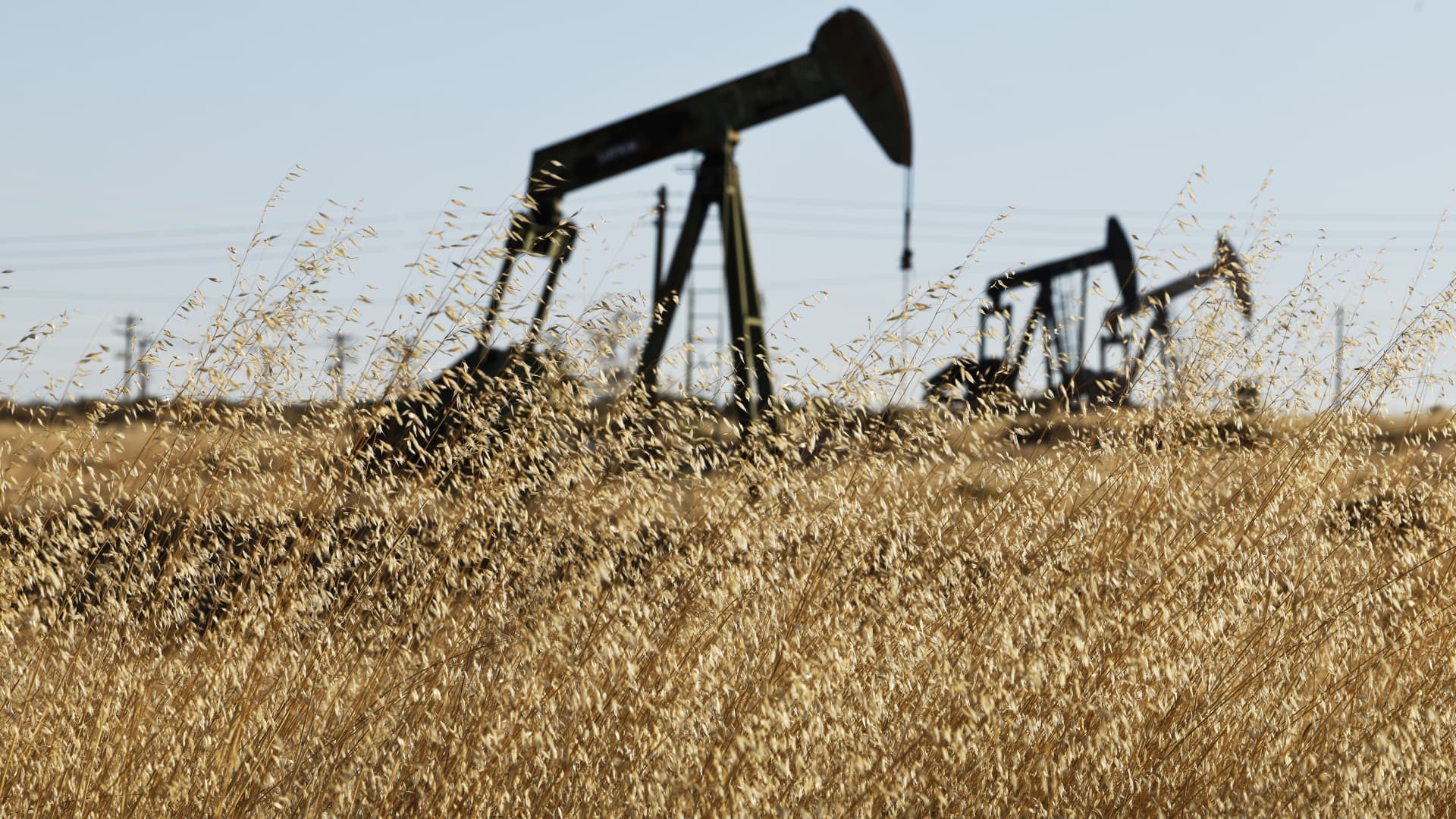
Oil prices surged as reports emerged of U.S. and Israeli military planning for potential strikes against Iran. The geopolitical uncertainty has pushed Brent crude above $110 per barrel, reflecting market anxiety over supply disruptions.
Geopolitical Tensions Spark Energy Market Volatility
The global energy markets are currently experiencing significant turbulence, driven by reports that the United States and Israel are formulating plans for renewed military operations against Iran. Following the emergence of these reports, Brent crude futures saw a notable increase of 1.71%, reaching $110.67 per barrel, while U.S. West Texas Intermediate (WTI) rose by 1.42% to $98.53. This immediate price surge underscores the acute sensitivity of global oil markets to developments in the Middle East, a region that remains a critical artery for energy production and distribution.
Strategic Military Planning and Timing
According to reports from The New York Times, both U.S. and Israeli military strategists have begun outlining potential operations described as "short but intensive." Crucially, these plans are reportedly slated for activation following the upcoming midterm elections. By tying these tactical discussions to a specific post-election window, the report suggests a high level of coordination between the two allies, intended to manage the political and security fallout of such a significant escalation.
Domestic Impact and Supply Concerns
While the conflict is centered in the Middle East, the repercussions are felt domestically within the United States, as evidenced by the operational status of energy infrastructure in regions like Kern County, California. As the U.S. government takes precautionary measures—including the order for non-emergency personnel and their families to evacuate specific areas—the market is pricing in the risk of sustained instability. This creates a feedback loop where geopolitical fears directly influence the valuation of domestic assets and the cost of energy production.
The Fragile Balance of Global Energy Security
Historically, the threat of military conflict involving Iran has always acted as a premium on oil prices due to the risk of disruption in the Strait of Hormuz, a vital chokepoint for global oil transit. The current market reaction reflects a transition from speculative concern to concrete risk assessment. Investors are wary that any "intensive" strike could lead to retaliatory measures, potentially tightening global supply at a time when energy markets are already grappling with fluctuating demand and supply chain complexities.
Looking Ahead: Market Projections
As the situation develops, the primary trend to watch is whether the rhetoric of "short and intensive" operations holds true or if the conflict risks spiraling into a broader regional confrontation. Should the planned strikes proceed, the volatility in crude futures is likely to persist, potentially placing upward pressure on consumer energy costs. The market's current trajectory suggests that until a diplomatic de-escalation is signaled, oil prices will remain tethered to the evolving security posture of the U.S. and its regional allies in the Middle East.