Mumbai 4th most polluted city in world, air quality index 165: US group
Source Entity
Nayonika Bose
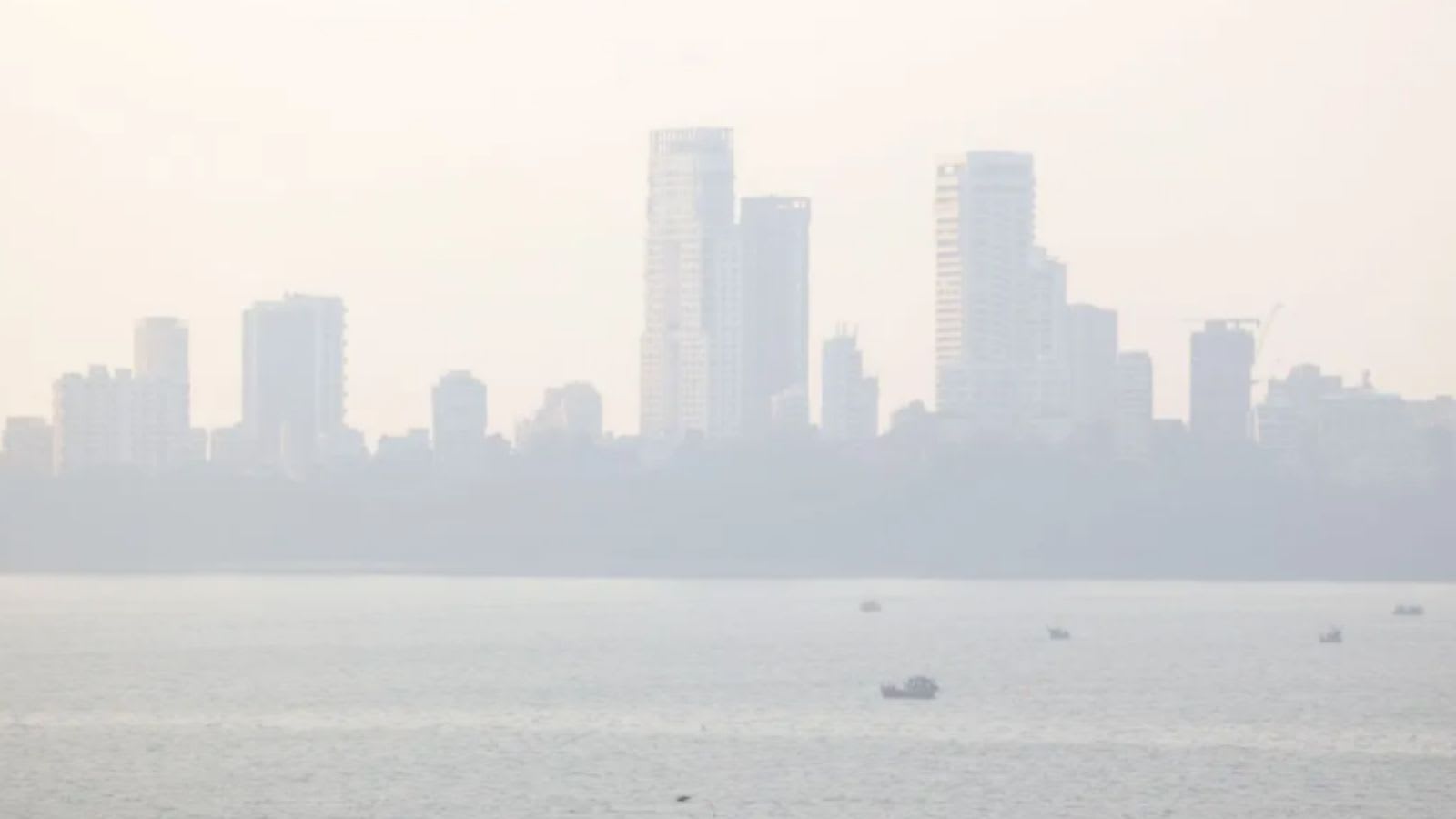
Mumbai has been ranked as the fourth most polluted city globally with an AQI of 165, surpassing Delhi's pollution levels. The spike in PM2.5 particulate matter following Dussehra highlights ongoing concerns regarding urban air quality.
Mumbai's Air Quality Crisis: A Concerning Milestone
Following the recent Dussehra festivities, Mumbai has faced a significant environmental challenge, with air quality plummeting to hazardous levels. According to data provided by the US-based organization IQAir, the city recorded an Air Quality Index (AQI) of 165, positioning it as the fourth most polluted city globally. This ranking places Mumbai ahead of other major metropolitan centers, including Delhi, which recorded a slightly lower AQI of 164, marking a rare and concerning shift in regional pollution dynamics.
The Impact of Particulate Matter
The primary concern identified by monitoring stations, including those at the US Consulate General, is the concentration of PM2.5. These fine particulate matters are particularly dangerous because they are small enough to penetrate deep into the human respiratory system and bloodstream. The presence of such pollutants is a direct indicator of deteriorating air quality that poses immediate health risks to the city's vast population, especially vulnerable groups such as children, the elderly, and those with pre-existing respiratory conditions.
Global Context and Comparative Analysis
Mumbai’s current standing on the global stage is stark. The city follows Kinshasa, Democratic Republic of Congo (AQI 201), Lahore, Pakistan (AQI 190), and Kuala Lumpur, Malaysia (AQI 180). Being ranked among cities facing severe atmospheric degradation underscores the systemic nature of urban pollution. While Delhi has historically dominated the conversation regarding Indian air quality, Mumbai’s recent spike serves as a reminder that air pollution is a widespread crisis affecting coastal and inland cities alike.
The Post-Festival Haze
The timing of this surge—immediately following the Dussehra holiday—suggests a correlation between festive activities and atmospheric load. Often, post-festival periods see an increase in particulate matter due to fireworks, increased traffic, and the accumulation of pollutants that remain trapped in the air due to specific meteorological conditions. The 'blanket of haze' described by residents is a visible manifestation of these trapped particles, which often persist until wind speeds or precipitation help clear the atmosphere.
Future Trends and Mitigation
Looking ahead, the reliance on real-time monitoring from multiple stations provides the necessary data for policymakers to implement targeted interventions. As urbanization continues to accelerate, the pressure on Mumbai’s air quality will likely intensify unless structural changes to traffic management, industrial emissions, and waste disposal are prioritized. The shift in ranking relative to other major Indian cities suggests that environmental management strategies must be decentralized and adapted to the specific geographic and climatic realities of Mumbai.
Conclusion
The recent data regarding Mumbai’s air quality is a wake-up call for municipal authorities and residents. With an AQI of 165 placing the city in the 'unhealthy' category, the focus must shift toward long-term mitigation strategies. Addressing the root causes of PM2.5 emissions is essential to protecting public health and ensuring that the city’s rapid development does not come at the cost of the basic human right to clean air.