GRAP-1 Restrictions: As Delhi air turns ‘Poor’, here is full list of restrictions
Source Entity
The Indian Express
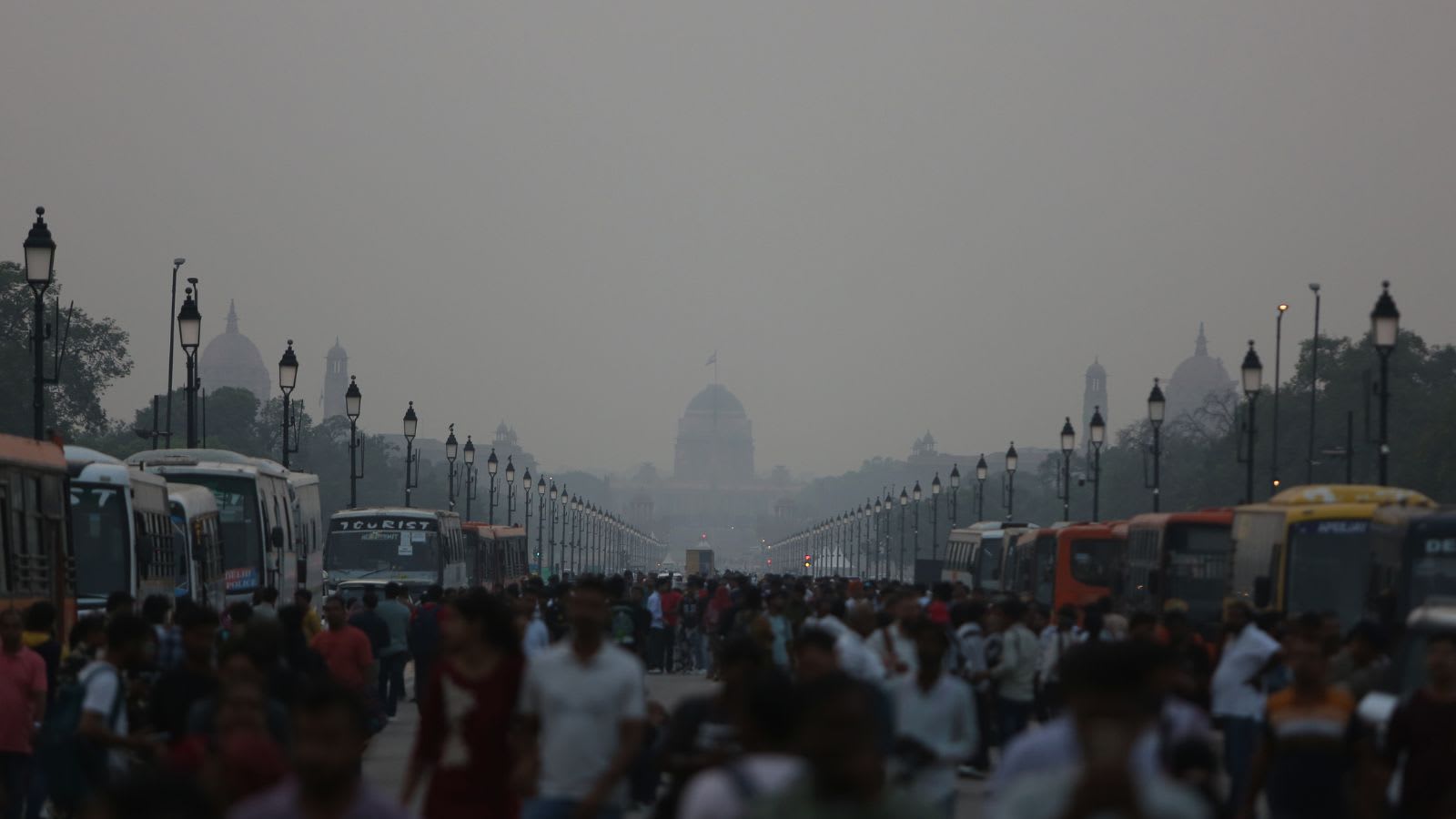
Delhi-NCR has initiated Stage I of the Graded Response Action Plan (GRAP) as air quality levels hit the 'poor' category. To mitigate pollution, the DMRC is adding 20 daily metro trips while authorities implement restrictions on construction, coal-fired tandoors, and diesel generators.
Delhi-NCR Enforces GRAP Stage I to Combat Air Pollution
As winter approaches, the Delhi-NCR region has officially triggered Stage I of the Graded Response Action Plan (GRAP) following a significant deterioration in air quality. With the Air Quality Index (AQI) surging into the 'poor' category—notably hitting 225 and peaking at 238 in recent readings—authorities have recognized the urgent need for intervention. This seasonal surge, often exacerbated by post-festival conditions, marks the beginning of a critical period where monitoring stations, such as those in Jahangirpuri and Vivek Vihar, have already begun reporting 'very poor' air quality levels.
The Role of Public Transport in Emission Reduction
In a proactive move to support the GRAP-I mandate, the Delhi Metro Rail Corporation (DMRC) has announced the addition of 20 extra train trips on weekdays. By incentivizing commuters to shift from private vehicles to public transit, the DMRC aims to reduce the volume of vehicular emissions, which are a primary contributor to the city's winter smog. This strategy aligns with the broader goal of reducing congestion, which is further bolstered by planned measures such as staggered office timings and adjusted parking fees.
Stringent Construction and Industrial Controls
Beyond transportation, GRAP Stage I enforces strict oversight on construction sites and commercial activities. The DMRC is intensifying dust-control measures across its jurisdictions to minimize particulate matter dispersion. Simultaneously, the regional mandate targets specific emission sources, including a ban on coal-fired tandoors and the restricted use of diesel generators at eateries. These measures are designed to curb localized pollution spikes that often plague densely populated urban hubs.
Understanding the GRAP Framework
The Graded Response Action Plan is a tiered mechanism categorized by AQI levels: Stage I (Poor: 201-300), Stage II (Very Poor: 301-400), Stage III (Severe: 401-450), and Stage IV (Severe Plus: above 450). By invoking Stage I, authorities have established a baseline for monitoring and enforcement. This structured approach allows for the gradual escalation of restrictions, including future vehicle curbs slated for November 1, ensuring that the response is proportionate to the actual air quality data recorded across the capital's monitoring network.
Future Outlook and Public Compliance
As the city enters the heart of the pollution season, the effectiveness of these measures will depend heavily on inter-agency coordination and public compliance. With vehicle restrictions and industrial monitoring becoming more rigorous, the coming months will test the city's resilience against persistent winter smog. The government’s intent is to create a sustainable framework that balances urban activity with environmental health, relying on real-time data to pivot strategies as conditions fluctuate throughout the winter months.
Multiple Citing Sources