Slack brings AI coding agents into shared team channels with Slack Code
Source Entity
The Indian Express
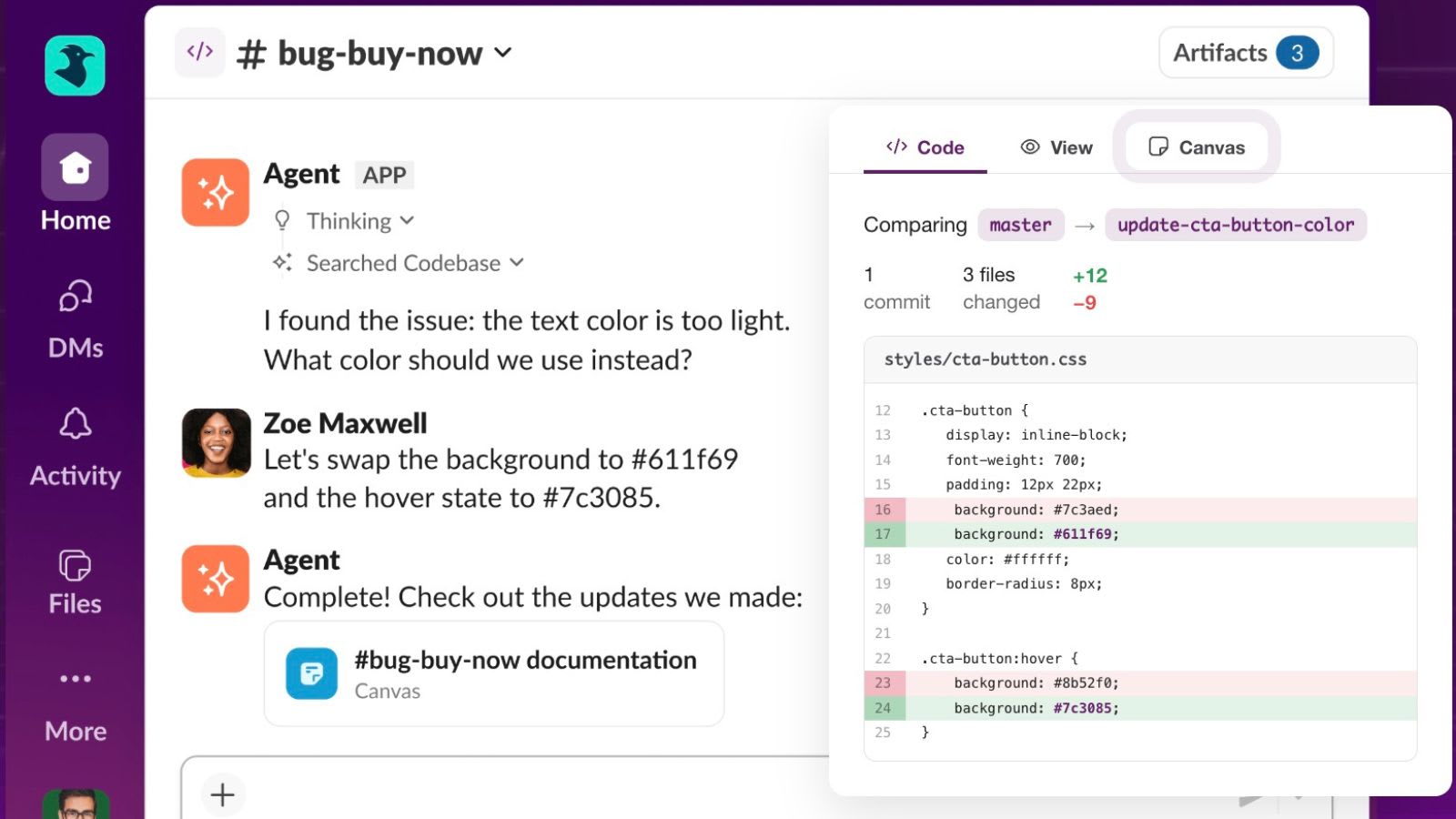
Slack has introduced 'Slack Code', a new feature allowing AI agents to write software directly within shared team channels. This tool enhances collaboration by providing full visibility and dedicated tabs for human teammates to steer AI-driven development.
Slack Redefines Collaborative Development with Slack Code
Slack has officially entered the AI-assisted software development space with the launch of 'Slack Code,' a new feature unveiled on Thursday, August 20. By integrating AI coding agents directly into shared team channels, Slack is shifting the paradigm of software engineering from isolated, IDE-bound tasks to a transparent, team-oriented workflow. This development marks a significant evolution for the platform, transforming it from a simple messaging tool into an active workspace for technical execution.
Bridging the Gap Between AI and Human Oversight
The core functionality of Slack Code lies in its ability to facilitate real-time interaction between AI agents and human developers. While AI coding tools have historically operated within the confines of private code editors, Slack Code brings this activity into the public sphere of team communication. By providing dedicated tabs and full visibility, the platform ensures that every team member can monitor, steer, and direct the AI’s progress. This move addresses the critical need for human-in-the-loop oversight as AI agents become increasingly autonomous in writing software.
The Context of the AI Coding Boom
This announcement arrives during a period of rapid acceleration in the AI coding ecosystem, characterized by the rise of sophisticated tools like Claude Code, Devin by Cognition, and GitHub Copilot. These agents have significantly increased the velocity at which software is written and shipped. However, the industry has long struggled with the 'silo effect,' where the technical work performed by these agents remains disconnected from the broader team's project management and communication channels. Slack Code serves as a direct bridge to unify these fragmented project workflows.
Enhancing Transparency and Team Alignment
One of the most persistent challenges in software engineering is maintaining alignment on technical decisions as projects scale. By housing the coding session within a shared Slack channel, the platform provides a centralized record of the AI's logic and the human team's feedback. This transparency allows for immediate course correction and shared institutional knowledge, which is essential for large-scale development projects where ambiguity can lead to costly errors or technical debt.
Future Trends in Collaborative AI
The introduction of Slack Code signals a future where software development is increasingly social and collaborative by default. As AI agents continue to handle more complex coding tasks, the value of platforms that can successfully orchestrate human-AI collaboration will only grow. Looking ahead, we can expect to see deeper integrations between communication platforms and development environments, further blurring the lines between project management, code generation, and peer review.
Conclusion
Slack’s entry into the AI coding agent space is a strategic move to maintain its relevance as the primary hub for business productivity. By focusing on visibility and collaborative steering, Slack Code not only empowers developers to work faster but also ensures that AI-driven development remains a cohesive, team-centered process. As the technology matures, this integration could become the industry standard for how software teams manage the lifecycle of AI-assisted projects.