"At Home in Space" opens, caps Air and Space Museum renovation
Source Entity
Robert Pearlman
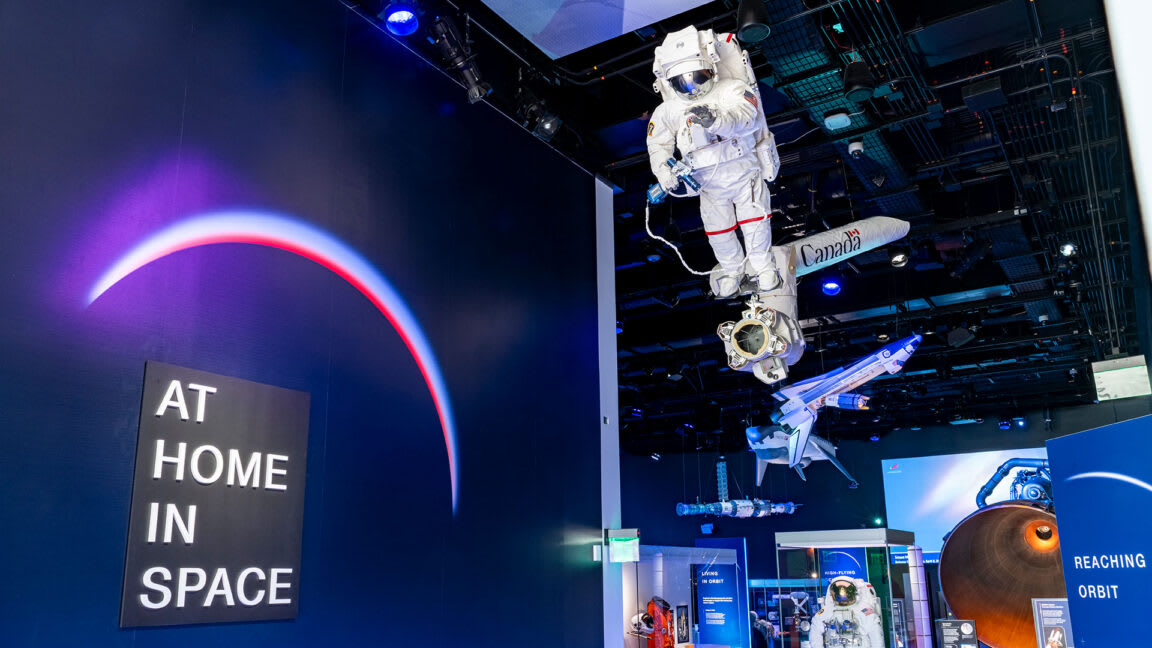
The Smithsonian's National Air and Space Museum has completed its massive $1 billion renovation with the opening of the 'At Home in Space' exhibition. This final gallery highlights the evolution of long-duration human spaceflight.
A New Era for the National Air and Space Museum
After a monumental seven-year renovation project costing nearly $1 billion, the Smithsonian’s National Air and Space Museum in Washington, DC, has officially reopened its final exhibition space. The completion of this project marks a significant milestone for one of the world's most visited museums, signaling the conclusion of an extensive effort to modernize its facilities and revitalize its educational mission regarding aerospace history.
The Debut of 'At Home in Space'
The final piece of this expansive renovation puzzle is the exhibition titled 'At Home in Space,' which opened to the public on October 30. This gallery serves as the capstone to the museum’s renewed focus on spaceflight, specifically aiming to tell the narrative of humanity’s transition toward becoming a spacefaring civilization. By centering the exhibit on the logistics and realities of living beyond Earth, the museum provides visitors with a comprehensive look at what it truly takes to sustain life in orbit.
Documenting the Long-Duration Experience
Curator Jennifer Levasseur highlights that the exhibition is fundamentally a story about 'reaching orbit' and the human persistence required for long-duration missions. The gallery covers the essential 'prep story,' chronicling the technological leaps made during the space shuttle era. This historical foundation is crucial for understanding how the global space community evolved from brief, exploratory missions into the current reality of sustained human presence in space.
The Legacy of the International Space Station
The narrative presented in 'At Home in Space' is deeply rooted in the 25-plus years of continuous human occupation aboard the International Space Station (ISS). By showcasing the evolution of life-support systems and the daily routines of astronauts, the gallery underscores the transition from experimental spaceflight to the established capacity for humans to live and work in the harsh environment of low Earth orbit for extended periods.
Future Implications and Cultural Impact
Beyond its historical value, the exhibition serves as an educational bridge, connecting the public to the future of space exploration. As private and government entities shift their focus toward deeper space missions, the lessons learned from the ISS and documented by the Smithsonian remain vital. The renovation ensures that the museum can continue to inspire future generations by framing the history of spaceflight not just as a series of technical achievements, but as a long-term human endeavor.