Social Security cost-of-living adjustment estimate for 2027 falls as inflation cools
Source Entity
US Top News and Analysis
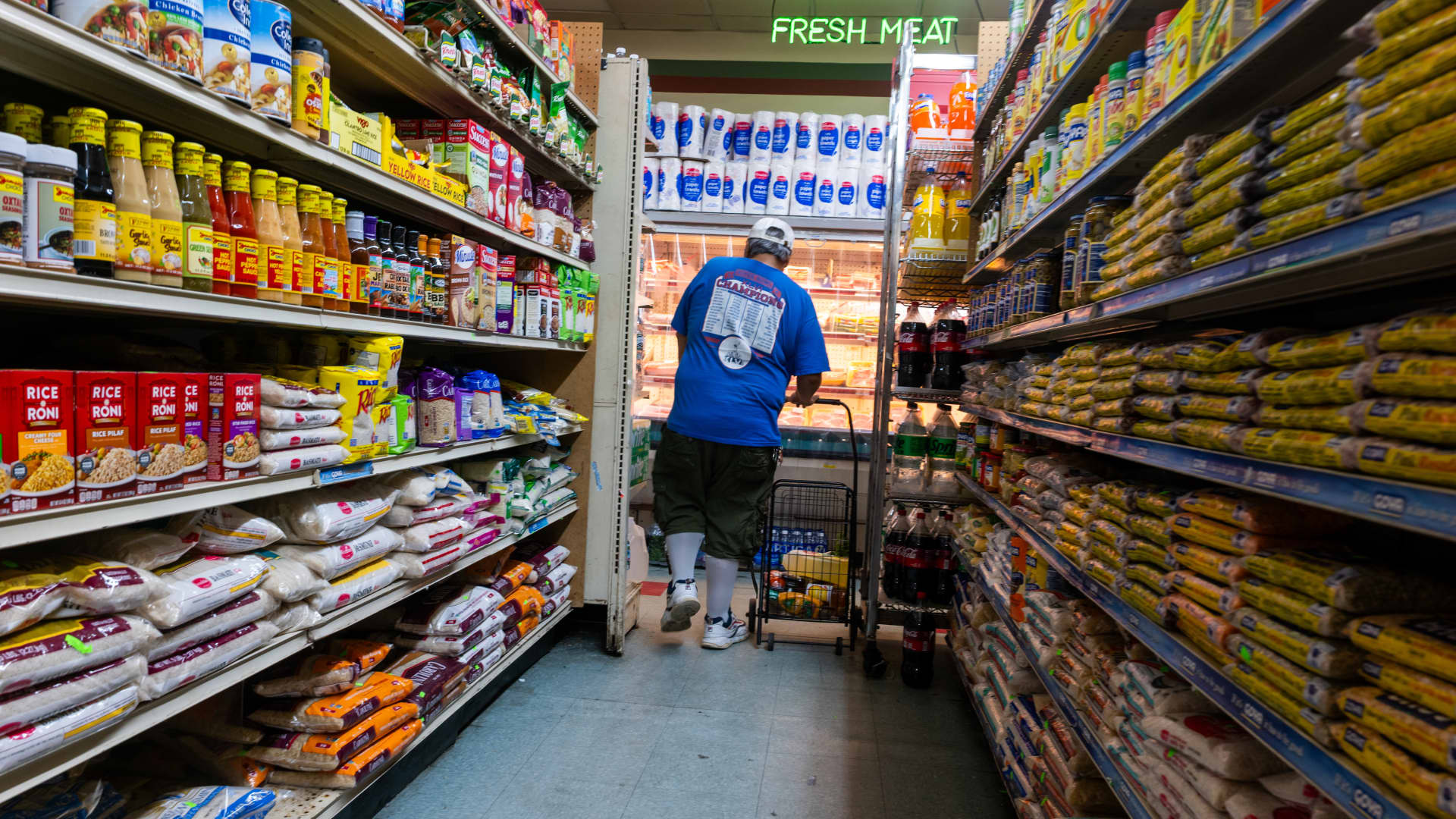
Recent projections indicate that the Social Security cost-of-living adjustment (COLA) for 2027 is expected to fall between 3.7% and 3.8%, signaling a stabilization of inflation rates.
Analysis of 2027 Social Security COLA Projections
Recent economic estimates suggest that the Social Security cost-of-living adjustment (COLA) for 2027 will likely land between 3.7% and 3.8%. This projection serves as a critical indicator of the broader economic trajectory, specifically signaling that the aggressive inflationary pressures seen in the early 2020s are continuing to cool. For millions of retirees and disabled beneficiaries, the COLA is the primary mechanism that ensures their purchasing power remains stable despite the rising cost of goods and services.
The Mechanics of COLA and Inflation
To understand why the 2027 estimate is falling, one must look at the methodology behind the adjustment. The Social Security Administration (SSA) typically bases its COLA calculations on the Consumer Price Index for Urban Wage Earners and Clerical Workers (CPI-W). When inflation—the rate at which prices for a basket of common goods and services increase—slows down, the resulting COLA percentage naturally decreases. The shift toward a 3.7% to 3.8% range indicates that economists expect a more normalized price environment compared to the volatile spikes experienced during the post-pandemic recovery period.
Historical Context: From Volatility to Stabilization
This projected decrease is particularly notable when compared to the historical context of the last few years. Following the global pandemic, the U.S. economy faced unprecedented supply chain disruptions and monetary expansions, leading to some of the highest inflation rates in four decades. This resulted in significantly higher COLAs in 2022 and 2023, which were necessary to prevent a sharp decline in the standard of living for seniors. The move toward a sub-4% estimate for 2027 suggests a return to a more sustainable economic equilibrium, where price growth is predictable rather than erratic.
Impact on Beneficiaries and Purchasing Power
While a lower COLA percentage might initially appear negative to beneficiaries, it is fundamentally a reflection of a more stable economy. A high COLA is only beneficial if it keeps pace with high inflation; however, high inflation itself often disproportionately harms seniors, particularly those with fixed expenses in healthcare and housing. A 3.7% to 3.8% adjustment in a low-inflation environment is generally more favorable than a 7% adjustment in a high-inflation environment, as it implies that the cost of essential goods is not skyrocketing.
Broader Implications for the Social Security Trust Fund
From a fiscal perspective, cooling inflation and lower COLA estimates have positive implications for the longevity of the Social Security Trust Funds. Because COLA increases are mandatory expenditures, lower annual percentage increases reduce the immediate financial pressure on the government's budget. While this does not solve the long-term solvency challenges facing the program, it provides a temporary buffer and reduces the rate at which the trust fund's reserves are depleted, allowing more time for legislative solutions to be implemented.
Future Trends and Economic Forecasts
Looking ahead, these estimates suggest that the Federal Reserve's efforts to curb inflation through interest rate adjustments are yielding long-term results. If the trend continues, we may see COLA estimates for 2028 and beyond settle even further into the 2% to 3% range, which is the Federal Reserve's target inflation rate. This stability would allow retirees to plan their long-term finances with greater certainty, reducing the anxiety associated with sudden price surges in food and medicine.
Conclusion
In summary, the projected 3.7% to 3.8% COLA for 2027 is a clear sign of economic cooling. While it represents a decrease from the emergency-level adjustments of recent years, it points toward a healthier, more stable economic landscape. By aligning benefits with a slower rate of inflation, the Social Security system continues to fulfill its core mission of protecting the elderly and disabled from the eroding effects of inflation while simultaneously easing the fiscal burden on the federal treasury.