Soha Ali Khan says protein is ‘essential’ for women: ‘Yet, many Indian…’
Source Entity
The Indian Express
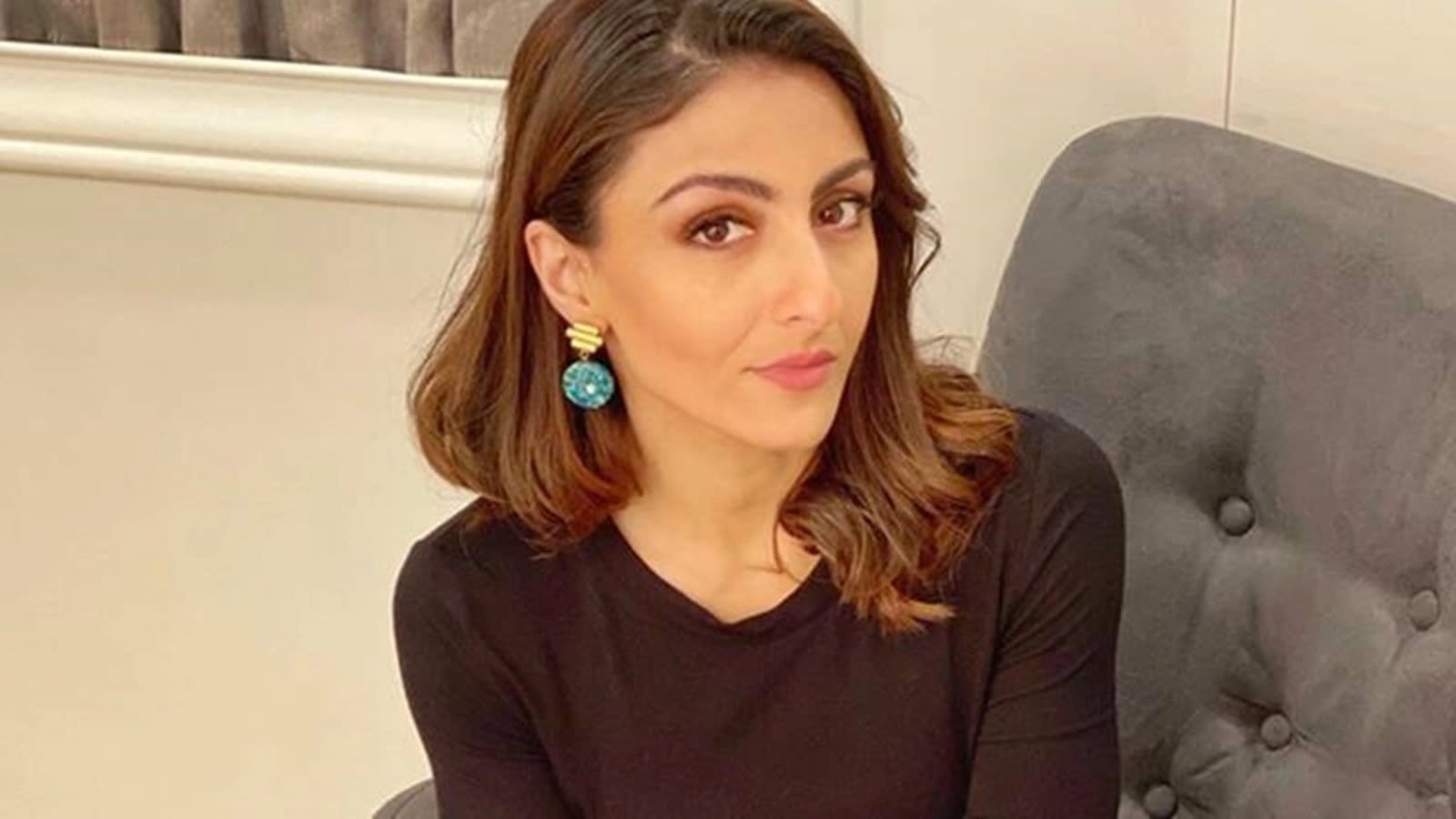
Actress Soha Ali Khan has highlighted the critical importance of protein intake for Indian women, particularly for those following a vegetarian diet. She advocates for simple, nutritious meal preparation to support muscle maintenance, bone health, and healthy aging.
The Protein Gap: Addressing Nutritional Deficiencies in Indian Women
Actress Soha Ali Khan, at 47, has brought a critical public health conversation to the forefront by emphasizing that protein is an essential macronutrient for women, regardless of their fitness goals. Her recent social media outreach highlights a pervasive issue within the Indian demographic: a significant nutritional deficit regarding protein consumption. By moving the discourse away from the traditional association of protein solely with bodybuilding or gym culture, Khan recontextualizes the nutrient as a fundamental pillar for general well-being.
The Physiological Necessity of Protein
Protein serves as the primary building block for the human body, playing an indispensable role in maintaining muscle mass, skeletal integrity, and immune system functionality. For women, these functions are particularly vital throughout the various stages of life. As metabolism shifts and bone density concerns arise with aging, the biological requirement for adequate protein intake becomes increasingly significant. Khan’s advocacy underscores that protein is not merely a supplement for fitness enthusiasts but a requirement for the physiological maintenance of the female body.
Challenges in the Indian Vegetarian Diet
A significant portion of the Indian population adheres to a vegetarian diet, which often presents specific challenges in meeting daily protein requirements. Cultural dietary habits, while rich in carbohydrates and healthy fats, frequently lack the concentrated protein sources found in animal-based diets. Khan’s focus on providing 'protein-packed, nutritious dishes' specifically for vegetarians addresses this practical barrier. By promoting accessible, quick recipes, she aims to demystify the process of dietary improvement, making it feasible for the average person to increase their intake without requiring extensive culinary effort.
Aging and Healthy Longevity
As Khan notes, the importance of protein consumption scales with age. Sarcopenia—the age-related loss of muscle mass—is a major concern that can be mitigated through consistent protein intake and resistance-based lifestyle habits. By framing protein as a key component of 'healthy ageing,' the discourse shifts toward long-term preventative health. This perspective is vital for the aging Indian population, where nutritional awareness is often overshadowed by other health priorities.
Conclusion: A Call for Dietary Empowerment
Ultimately, Soha Ali Khan’s initiative serves as a bridge between complex nutritional science and practical daily living. By highlighting the 'super quick' nature of these protein-rich vegetarian meals, she encourages a shift in mindset—from viewing healthy eating as a complicated chore to integrating it into a busy morning routine. This push for nutritional literacy is essential in combating the widespread protein deficiency among Indian women, potentially leading to better health outcomes and increased vitality across the population.