‘Mock drill’, phone jammer and a white curtain: How Sonam Wangchuk was removed
Source Entity
Mahender Singh Manral
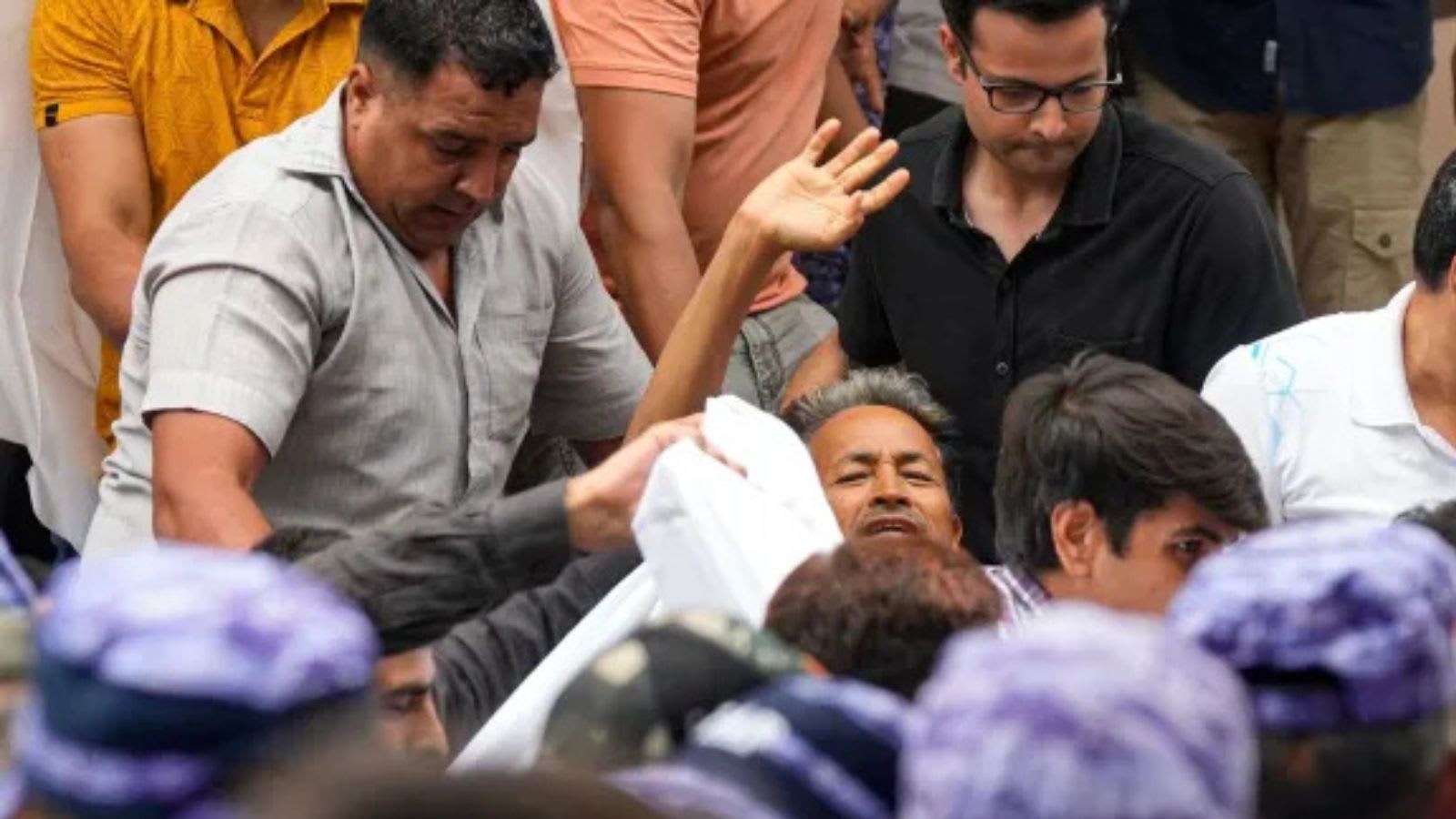
Climate activist Sonam Wangchuk has been hospitalized after 21 days of a hunger strike at Jantar Mantar. The Delhi Police conducted a tactical operation to remove him, amidst allegations of force and detention of supporters.
The Delhi Standoff: Sonam Wangchuk Hospitalized After 21-Day Hunger Strike
On July 18, 2026, climate activist and educator Sonam Wangchuk was forcibly removed from the Jantar Mantar protest site in New Delhi, marking the end of a 21-day indefinite hunger strike. Following orders from the Delhi High Court and acting upon expert medical advice regarding his deteriorating physical state, Delhi Police relocated Wangchuk to Safdarjung Hospital. His wife, Gitanjali J. Angmo, has since asserted that no medical procedures should be performed on the activist without explicit consent from his family and personal medical team.
Tactical Removal and Police Strategy
The operation to remove Wangchuk was characterized by a high degree of tactical orchestration. Sources indicate that New Delhi district police personnel were assembled at 3:00 AM under the guise of a mock drill for the upcoming Parliament Monsoon Session. This deceptive preparation culminated in a swift intervention at 6:30 AM, during which authorities utilized phone jammers to disrupt communications and a white curtain to obscure the removal process from public and media view. This method of extraction has drawn significant criticism regarding the transparency and handling of civil dissent in the national capital.
The Rise of the 'Cockroach Janta Party'
The protest, which gained national attention, was organized under the banner of the 'Cockroach Janta Party.' Originally conceived as a social media satire, the movement rapidly evolved into one of the most significant protest platforms in contemporary India. The juxtaposition of a satirical political identity with the grim reality of a three-week hunger strike underscores the growing frustration among activists who feel traditional avenues for dialogue have been exhausted.
Allegations of Force and Detention
The atmosphere surrounding the removal was fraught with tension. Reports from the Cockroach Janta Party allege that Delhi Police engaged in lathi-charging students present at the Jantar Mantar site. Furthermore, the detention of key figures like Abhijeet Dipke highlights the escalating friction between the state apparatus and the protest movement. These developments suggest a hardening stance by law enforcement against long-term demonstrations in sensitive zones like Jantar Mantar.
Implications for Civil Society and Future Trends
The hospitalization of Sonam Wangchuk serves as a critical inflection point for climate and social activism in India. The use of administrative maneuvers—such as phone jammers and staged 'drills'—to manage public protests reflects a shifting paradigm in how the state handles high-profile dissent. As the movement continues to evolve, the ability of grassroots organizations to maintain momentum despite physical suppression will be a key metric for the future of civil liberties in the country. The demand for transparency in Wangchuk’s ongoing medical care will likely remain a focal point for his supporters in the coming days.
Multiple Citing Sources