'Happened so fast that ... ': How police took away Sonam Wangchuk in 5 minutes
Source Entity
TOI NEWS DESK
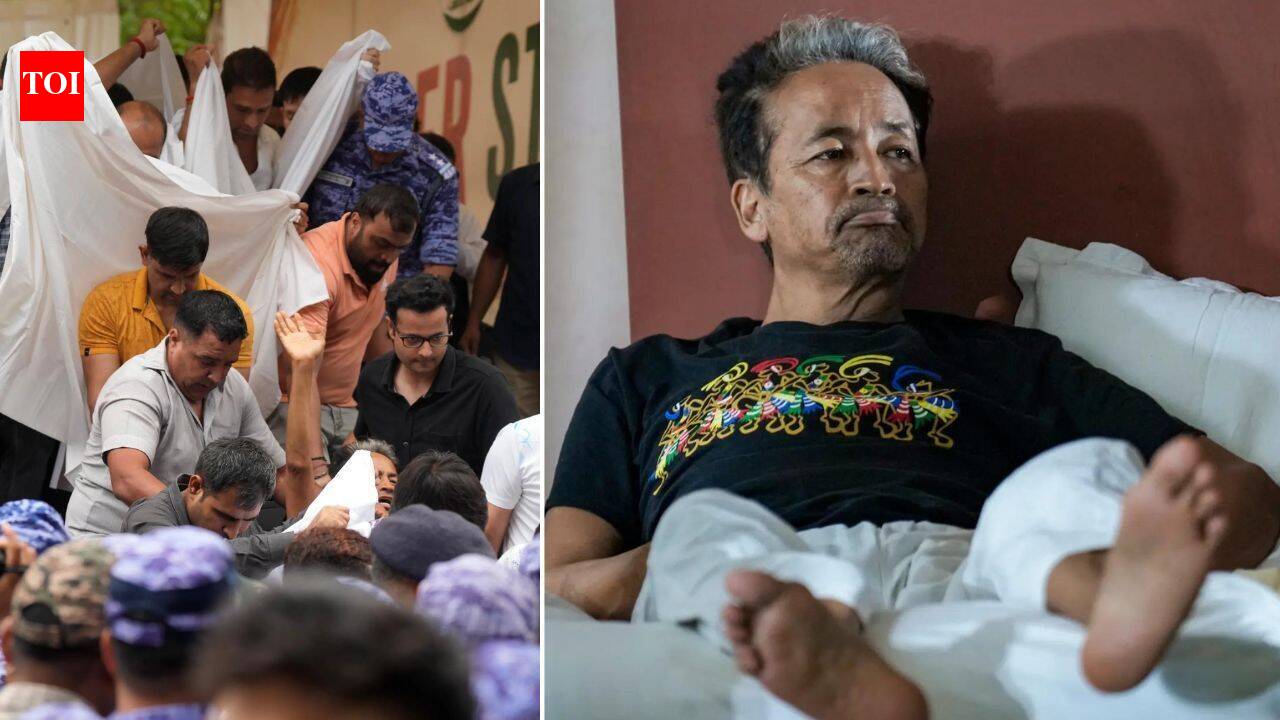
Climate activist Sonam Wangchuk has been shifted to Safdarjung Hospital following a 21-day hunger strike. His family has demanded medical transparency, while tensions persist following allegations of police action against protestors.
The Hospitalization of Sonam Wangchuk: A Critical Juncture
On July 18, 2026, climate activist and educator Sonam Wangchuk was moved from his protest site to Safdarjung Hospital in New Delhi. This intervention occurred as his indefinite hunger strike, aimed at highlighting his cause, reached its 21st day. According to the New Delhi Deputy Commissioner of Police (DCP), the transfer was facilitated under orders from the Delhi High Court and based on expert medical advice, citing the urgent need for essential care due to his rapidly deteriorating physical condition.
Medical Oversight and Family Concerns
The transition to hospital care has brought significant scrutiny regarding the autonomy of the activist's medical treatment. His wife, Gitanjali J. Angmo, who is currently at Safdarjung Hospital, has issued a firm directive to medical staff. She has explicitly requested that no oral or intravenous substances be administered to Mr. Wangchuk without the express consent of his family and his personal medical team, who have monitored his health throughout the three-week fast. This emphasizes a lack of trust between the family and the state-mandated medical intervention process.
Tensions at the Protest Site
The atmosphere surrounding the protest has become increasingly volatile. Reports have emerged detailing allegations from the 'Cockroach Janta Party' that the Delhi Police engaged in lathi-charging students at the Jantar Mantar protest site. These claims of heavy-handed police tactics, coupled with the detention of individuals such as Abhijeet Dipke, have further inflamed the situation, turning what was originally a peaceful protest into a broader struggle regarding civil liberties and the right to dissent in the capital.
The Evolution of the Movement
What makes this specific protest unique is its origin in social media satire. The 'Cockroach Janta Party' movement, which began as a digital commentary, has evolved into a significant grassroots protest. This transformation highlights a growing trend in Indian political activism, where digital-first movements leverage social media to organize large-scale physical demonstrations, challenging the traditional political status quo and bringing niche issues into the national spotlight.
Broader Implications and Future Trends
The hospitalization of Mr. Wangchuk marks a pivotal moment for his movement. As he remains conscious with stable vitals, the focus now shifts to how the government will handle the fallout of a 21-day protest and the associated allegations of police misconduct. Future trends suggest that the intersection of digital satire and public policy advocacy will continue to play a larger role in Indian protests, forcing authorities to balance law and order with the constitutional rights of activists to express dissent through non-violent means like hunger strikes.
Multiple Citing Sources