Wangchuk opposed hospitalisation a day before; CJP shares video
Source Entity
TOI CITY DESK
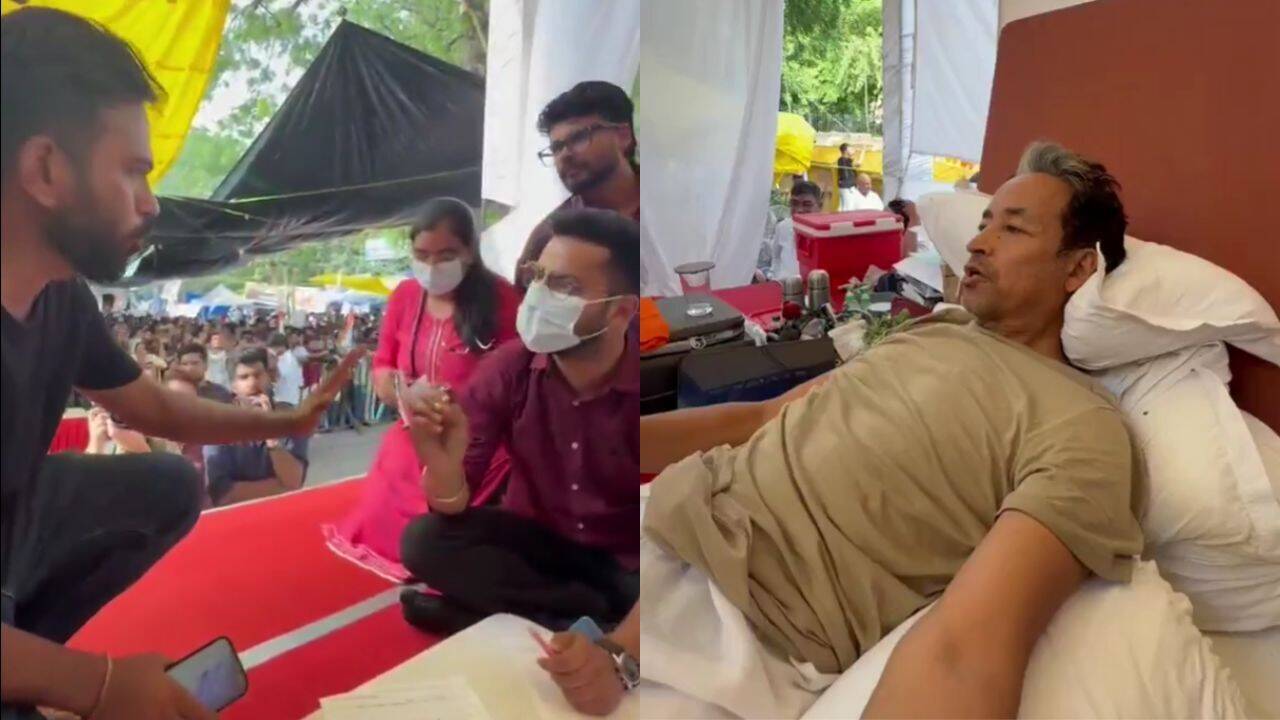
Climate activist Sonam Wangchuk has been shifted to Safdarjung Hospital following a 21-day hunger strike. Authorities cited medical necessity under High Court orders, while tensions rise regarding police conduct at the protest site.
The Hospitalization of Sonam Wangchuk: A Critical Turning Point
On July 18, 2026, the ongoing protest led by educator and climate activist Sonam Wangchuk reached a critical juncture when he was forcibly shifted from his protest site to Safdarjung Hospital in New Delhi. Wangchuk, who had been observing an indefinite hunger strike for over 20 days, was moved by the Delhi Police citing 'essential medical care.' This action was reportedly taken in accordance with directives from the Delhi High Court and based on professional medical advice, as his physical condition had significantly deteriorated during the prolonged fast.
The Legal and Medical Context of the Evacuation
The intervention by the Delhi Police highlights a complex intersection between the right to peaceful protest and the state's duty of care. By invoking a High Court mandate, the authorities sought to justify the removal of the activist under the guise of public safety and personal health preservation. However, the situation remains contentious. Wangchuk’s wife, Gitanjali J. Angmo, has raised serious concerns regarding his medical treatment, explicitly demanding that no oral or intravenous administration occur without the explicit consent of his family and personal medical team, who have been monitoring his health throughout the duration of the strike.
Escalating Tensions at Jantar Mantar
The environment surrounding the protest has become increasingly volatile. Reports indicate that the 'Cockroach Janta Party'—a group associated with the movement—has accused the Delhi Police of using excessive force, specifically alleging lathi-charging against students gathered at the Jantar Mantar protest site. This development marks a shift in the protest's dynamics, moving from a peaceful hunger strike to a site of potential confrontation between law enforcement and activists. The involvement of various student groups and social media-driven entities suggests that the movement has gained significant traction, evolving beyond its original scope into a broader platform for public dissent.
Examining the Role of Social Media in Modern Protests
Central to this narrative is the transformation of the 'Cockroach Janta Party' from a social media satire account into a focal point of one of India’s most prominent ongoing protests. This evolution underscores a modern trend in political activism where digital satire serves as a catalyst for real-world mobilization. The ability of such groups to draw massive public attention and sustain a protest for over 20 days demonstrates the shifting power dynamics in the digital age, where traditional protest methods are amplified by viral social media discourse.
Implications for Future Activism
The hospitalization of Sonam Wangchuk and the subsequent allegations of police brutality raise vital questions about the future of civil liberties in India. As the state balances the necessity of public order with the fundamental right to dissent, the precedent set by this incident will likely influence how future long-term hunger strikes are handled by the judiciary and police. The coming days will be crucial in determining whether the movement maintains its momentum or faces further suppression, as observers wait to see how the government responds to the demands of the protesters and the concerns regarding Wangchuk's medical autonomy.
Summary of the Situation
In conclusion, the situation involving Sonam Wangchuk is a multi-faceted crisis that blends humanitarian concerns with political unrest. With the activist currently under medical observation, the focus now shifts to the transparency of his treatment and the legitimacy of the police response at Jantar Mantar. The movement, fueled by digital activism and deep-seated public grievances, continues to challenge the status quo, signaling a period of intensified engagement between civil society and state authorities.
Multiple Citing Sources