‘What a shame’: Opposition attacks Centre for Sonam Wangchuk’s removal
Source Entity
The Indian Express
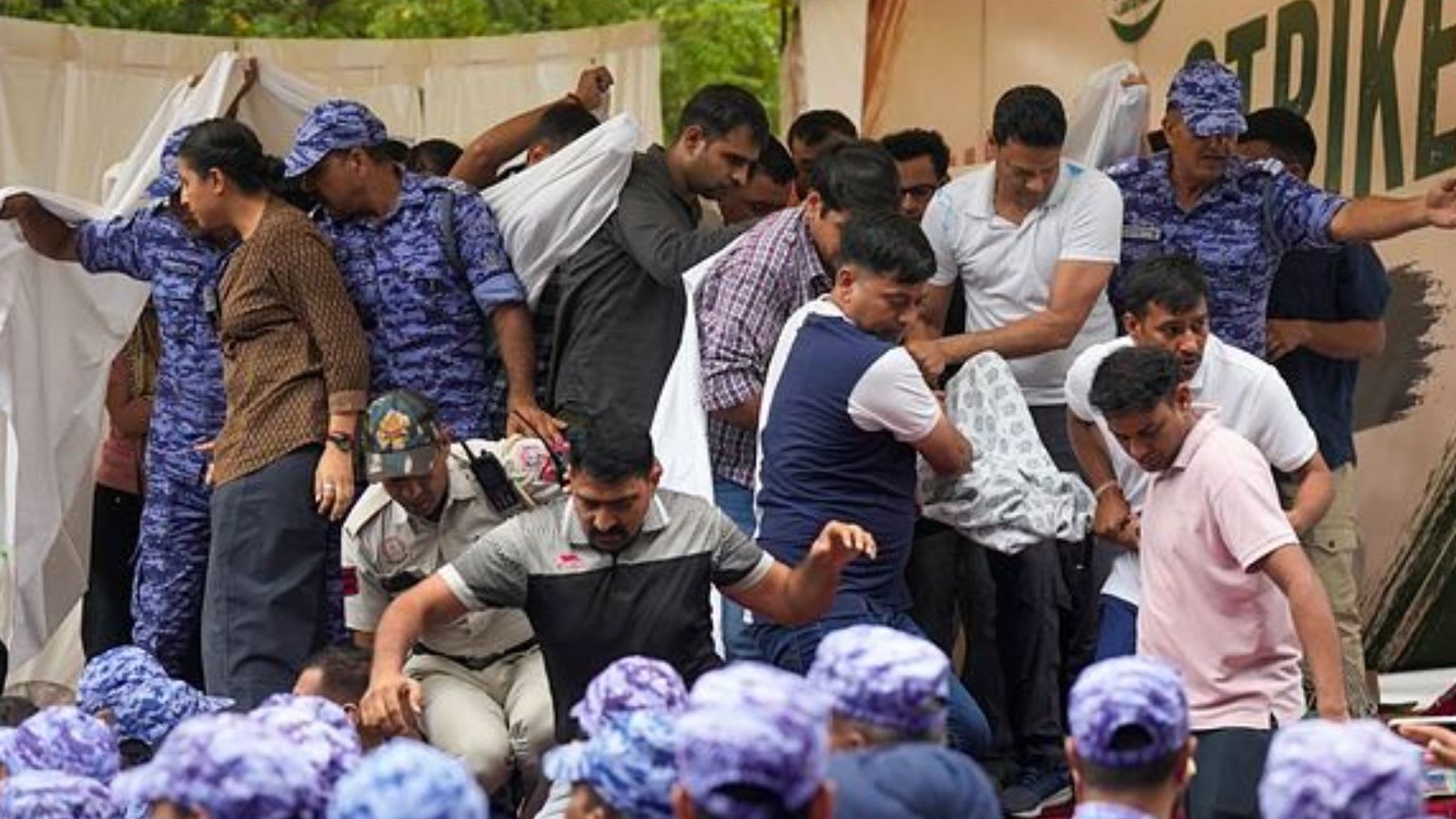
Climate activist Sonam Wangchuk has been shifted to Safdarjung Hospital following a 21-day hunger strike. Authorities cited medical necessity under High Court orders, while tensions rise regarding police actions at the Jantar Mantar protest site.
The Hospitalization of Sonam Wangchuk: A Critical Juncture
On July 18, 2026, the ongoing protest led by educator and climate activist Sonam Wangchuk reached a significant turning point when he was relocated from the Jantar Mantar site to Safdarjung Hospital. After maintaining an indefinite hunger strike for 21 days, Wangchuk’s deteriorating health prompted intervention from the Delhi Police. This action was reportedly carried out under the directives of the Delhi High Court and based on professional medical advice to ensure the activist received essential care.
The Intersection of Protest and Policy
The hospitalization follows weeks of heightened tension in the capital. While the Delhi Police maintain that the move was a necessary measure for health preservation, the situation has ignited controversy. Reports indicate that the 'Cockroach Janta Party' has leveled serious allegations against the police, claiming that students present at the Jantar Mantar site were subjected to lathi-charges. This friction highlights the volatile nature of long-term civil disobedience in urban centers and the challenges authorities face in balancing public order with the right to protest.
Family Concerns and Medical Autonomy
The transition of care has introduced complex ethical questions regarding patient autonomy. Gitanjali J. Angmo, Wangchuk’s wife, has publicly asserted her role in his medical oversight. She has explicitly demanded that no oral or intravenous interventions be administered without the express consent of his family and the private medical team that monitored his condition throughout the three-week strike. This request underscores the deep mistrust between the protesters and the state apparatus during high-stakes demonstrations.
Broader Implications of the Movement
What began as a localized protest has evolved into a significant national conversation, partly fueled by the unique intersection of social media satire and grassroots activism. The rise of groups like the 'Cockroach Janta Party' signifies a shift in how modern Indian protests organize and communicate, utilizing digital narratives to amplify their cause. Wangchuk’s hunger strike, which had persisted for over two decades of days, serves as a focal point for broader concerns regarding climate policy and regional governance that the activist has championed.
Future Trends in Civil Disobedience
The hospitalization of a prominent figure like Wangchuk often serves as a catalyst for either de-escalation or intensified mobilization. As the activist remains in stable condition at Safdarjung Hospital, the future of the protest remains uncertain. The incident serves as a reminder of the historical precedent of hunger strikes as a tool for political leverage in India, and how modern judicial and police interventions are increasingly tasked with managing the physical toll such protests exact on their leaders. Observers will be watching closely to see if the movement maintains its momentum in the absence of its leader’s physical presence at the protest site.
Multiple Citing Sources