Using abusive language, swearing don't count as obscenity under IPC: Supreme Court
Source Entity
AMIT ANAND CHOUDHARY
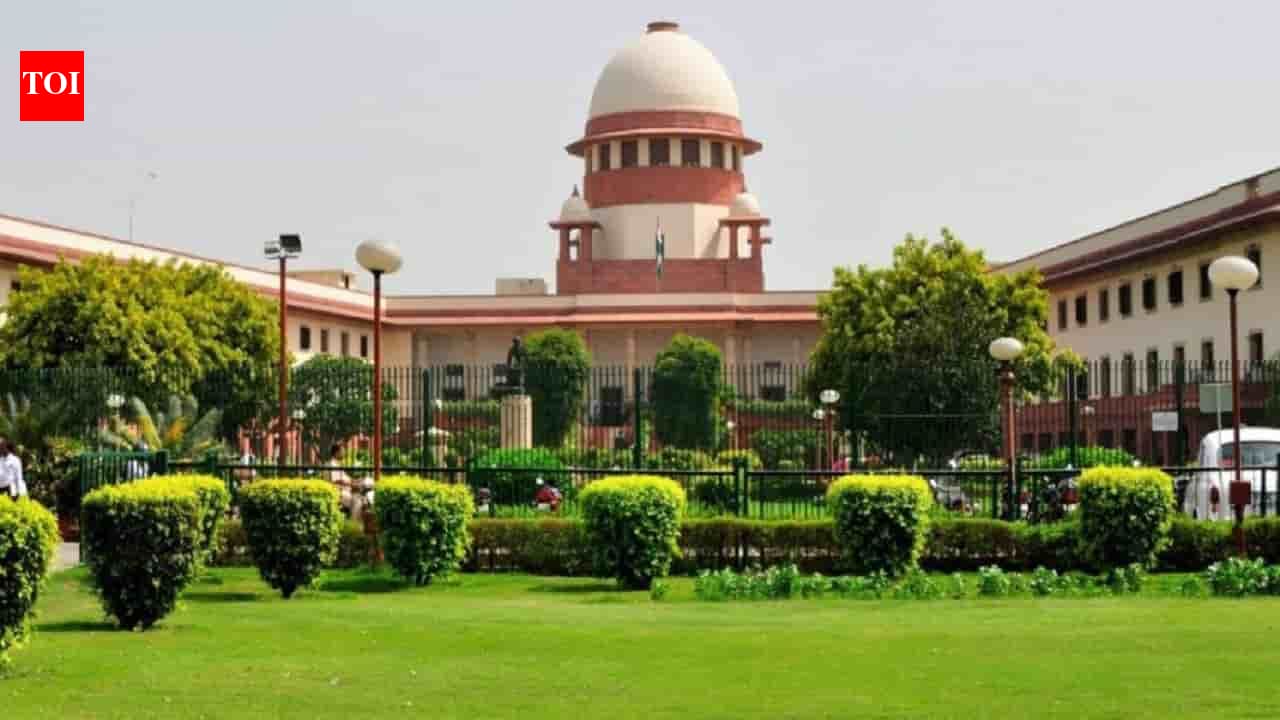
The Supreme Court of India ruled that abusive language and swear words do not constitute obscenity under criminal law. The court clarified that obscenity requires a lascivious element appealing to prurient interests, rather than mere vulgarity.
Legal Distinction: Vulgarity vs. Obscenity
In a significant legal clarification, the Supreme Court of India has addressed the nuanced distinction between abusive language and the criminal offense of obscenity. The court's ruling emphasizes that while profanity may be distasteful, uncivil, or offensive, it does not automatically trigger criminal liability under obscenity laws. This decision serves as a critical guide for lower courts in interpreting the boundaries of free speech and public decency, ensuring that the law is not misapplied to punish general rudeness.
Case Background: The Tamil Nadu Land Dispute
The legal battle originated from a localized dispute over agricultural land in Tamil Nadu in August 2017. During a heated altercation, a man used several vulgar expletives, including terms such as “motherf**ker” and “son of a whre.” Based on this conduct, he was convicted under Section 294 of the Indian Penal Code (IPC), which pertains to obscene acts and songs performed in public. The man subsequently appealed this conviction, bringing the matter before the Supreme Court to determine if such slurs truly constitute 'obscenity' in a legal framework.
The Judicial Reasoning and the 'Prurient' Test
A Bench comprising Justices Sanjay Karol and Vipul M Pancholi meticulously analyzed the definition of obscenity. The court held that for language to be deemed "obscene" in a legal sense, it must possess a "lascivious" element—meaning it must appeal to prurient interests or have a tendency to deprave and corrupt those exposed to it. The Bench clarified that mere swear words and profanities, regardless of how offensive or uncivil they are, do not meet this high threshold of sexual or prurient appeal.
Decoupling Abuse from Obscenity
Central to the ruling is the distinction between "vulgarity" and "obscenity." The court noted that while vulgar or abusive words may evoke feelings of disgust, revulsion, or shock, these emotional reactions are not synonymous with the legal definition of obscenity. By decoupling "abuse" from "obscenity," the Supreme Court has ensured that the law targets materials or acts that are sexually explicit or morally corrupting, rather than simply penalizing an individual for using slurs during a conflict.
Broader Legal Implications for Section 294 IPC
This ruling has significant implications for the application of Section 294 of the IPC. By setting a strict standard—requiring a lascivious element—the court prevents the over-criminalization of common verbal altercations. It reinforces the principle that criminal law should not be used to police general rudeness or anger, provided the speech does not cross into the realm of sexual depravity or public corruption. This protects citizens from convictions based solely on the "distasteful" nature of their speech during disputes.
Conclusion
Ultimately, the Supreme Court set aside the conviction, partly allowing the appeal and vindicating the individual who had been penalized for his language during the land dispute. This judgment clarifies that the law's intent is to protect public morality from prurient corruption, not to mandate a standard of politeness in public or private disputes. It establishes a clear legal precedent that separates the social transgression of being vulgar from the legal crime of being obscene.
Multiple Citing Sources