"He Is Still On Hunger Strike": Sonam Wangchuk's Wife To NDTV After His Hospitalisation
Source Entity
NDTV News Search Records Found 1000
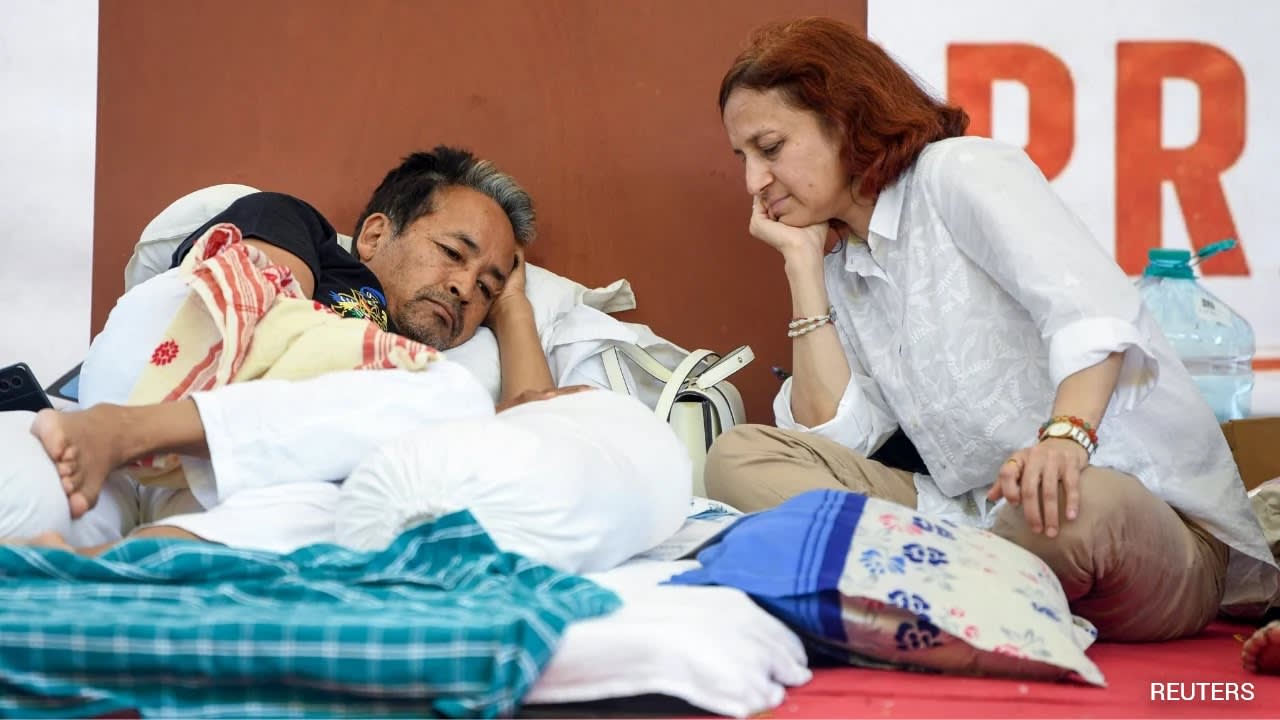
Climate activist Sonam Wangchuk has been shifted to Safdarjung Hospital after 21 days of an indefinite hunger strike. Delhi Police cited medical necessity following a court order, while concerns regarding his treatment and the status of associated protesters remain high.
The Hospitalization of Sonam Wangchuk: A Critical Turning Point
The Escalation of a Prolonged Protest
On July 18, 2026, the 21st day of his indefinite hunger strike, climate activist and educator Sonam Wangchuk was moved by the Delhi Police to Safdarjung Hospital. This development marks a significant escalation in a protest that has garnered national attention. According to the New Delhi Deputy Commissioner of Police (DCP), the decision to relocate Mr. Wangchuk was made in compliance with Delhi High Court orders and expert medical advice, citing his deteriorating health as the primary factor necessitating 'essential medical care.'
Medical and Legal Complications
The hospital setting has introduced a new layer of complexity to the ongoing standoff. Mr. Wangchuk’s wife, Gitanjali J. Angmo, has asserted strict control over his medical treatment, demanding that no oral or intravenous substances be administered without the explicit consent of his family and personal medical team. This demand highlights the deep-seated mistrust between the protesters and the authorities, as the family seeks to ensure that his health remains protected while he is under state custody.
The Role of Social and Political Mobilization
The protest, which has been associated with the 'Cockroach Janta Party'—a movement that evolved from social media satire into a significant platform for public dissent—has faced intense scrutiny. Reports have emerged detailing allegations of police lathi-charging students at the Jantar Mantar protest site, leading to the detention of individuals like Abhijeet Dipke. This tension underscores the volatile atmosphere surrounding Wangchuk’s advocacy and the government's response to civil disobedience.
Broader Implications for Activism in India
Wangchuk’s hunger strike, lasting over three weeks, reflects a growing trend of long-term Gandhian-style protests in India as a means to challenge policy decisions. The state's intervention, framed as a health-related measure, creates a delicate balance between the government's duty to preserve life and the activist's right to peaceful protest. The transition from the protest site to a clinical setting suggests that the authorities are attempting to mitigate the risk of a fatality, which could lead to further social unrest.
Future Trends and Conclusion
As the situation develops, the focus will likely shift toward the transparency of Mr. Wangchuk’s medical care and the legal status of the other detainees. The involvement of the Delhi High Court suggests that the judiciary will remain a central arbiter in this standoff. Moving forward, the government will face the challenge of addressing the core grievances raised by the protest movement while managing the political fallout of a high-profile activist remaining under police-supervised medical care. The outcome of this event will likely set a precedent for how future long-term hunger strikes are handled by law enforcement and the judiciary.
Multiple Citing Sources
Verification Required?