Sonam Wangchuk hunger strike LIVE: Wangchuk shifted to hospital; Abhijeet Dipke under detention, says Delhi Police
Source Entity
India Latest News: Top National Headlines Today & Breaking News | The Hindu
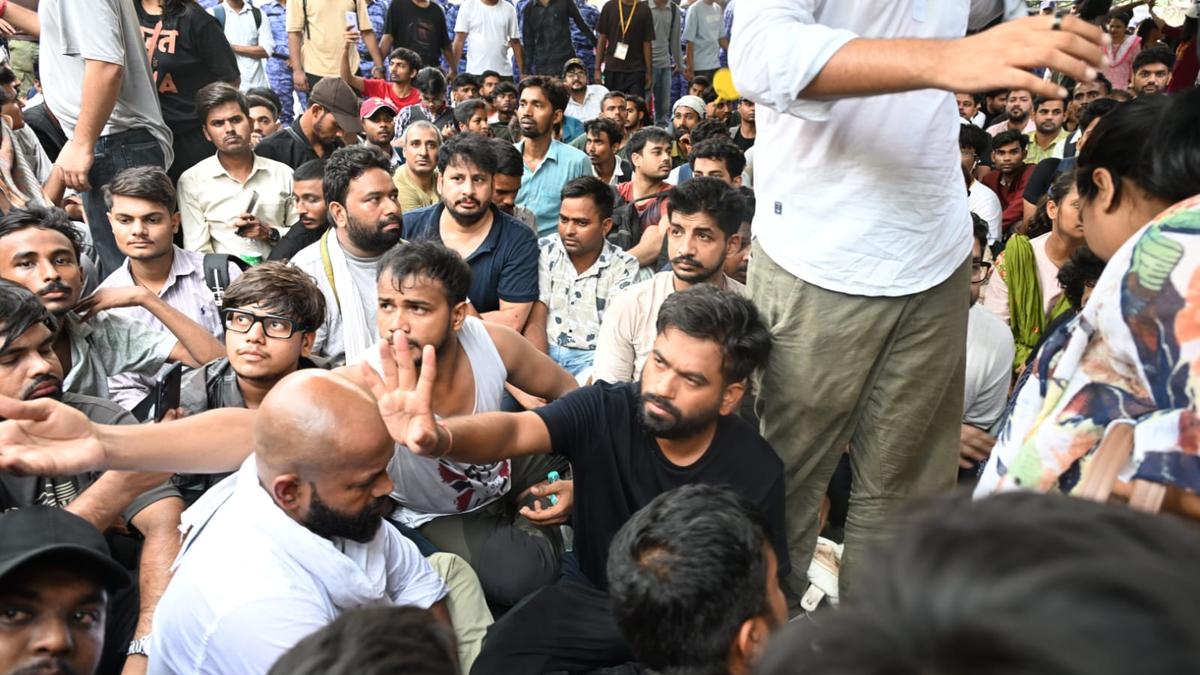
Climate activist Sonam Wangchuk has been hospitalized after a 21-day hunger strike, following his removal from a protest site in Delhi. The incident has sparked controversy, with allegations of police force and the detention of protest organizers.
The Escalation of the Wangchuk Hunger Strike
On July 18, 2026, the 21-day hunger strike led by climate activist and educator Sonam Wangchuk reached a critical turning point. Following orders from the Delhi High Court and based on medical advice regarding his deteriorating health, authorities shifted Wangchuk from the Jantar Mantar protest site to Safdarjung Hospital. This development marks a significant escalation in a standoff that has drawn national attention to the intersection of environmental activism and civil rights in India.
Conflict and Contention at Jantar Mantar
The removal of Wangchuk from the protest site was not without controversy. Reports indicate that the activist was forcibly removed, a move that prompted sharp criticism from the 'Cockroach Janta Party' (CJP). The CJP, a movement that has evolved from social media satire into a prominent protest entity, accused the Delhi Police of lathi-charging students present at the site. The apprehension of CJP founder Abhijeet Dipke amidst these protests further complicated the situation, signaling a widening gap between the agitators and state security apparatus.
The Role of Family and Medical Consent
Central to the unfolding drama is the issue of medical autonomy. Gitanjali J. Angmo, Wangchuk’s wife, has publicly asserted that no medical procedures, oral or intravenous, should be administered to her husband without the explicit consent of his family and personal medical team. This tension highlights a clash between state-mandated care—authorized by court directives—and the personal agency of an activist whose physical state has become a symbol of his cause.
The Rise of the Cockroach Janta Party
What began as a digital satirical endeavor has transformed into a tangible political force. The CJP’s involvement in the protests surrounding Wangchuk’s health demonstrates a shifting paradigm in Indian activism, where decentralized, social-media-driven groups are increasingly capable of mobilizing large-scale physical demonstrations. Their critique of the current government highlights the volatility of public sentiment when activists are perceived as being suppressed by state machinery.
Broader Implications and Future Trends
The hospitalization of a high-profile activist after three weeks of fasting typically serves as a catalyst for increased political pressure. With protesters already planning a march to Parliament on July 20, the situation remains fluid and high-stakes. The government faces the challenge of balancing public order with the optics of suppressing a peaceful, albeit disruptive, protest. The coming days will likely determine whether this movement gains further momentum or faces systematic dismantling through legal and administrative interventions.
Conclusion
The hospitalization of Sonam Wangchuk is more than a health crisis; it is a flashpoint for civil discourse in India. As his vitals remain stable under medical supervision, the focus shifts to the streets, where the CJP and other supporters continue to demand accountability. The outcome of this standoff will likely influence future protest strategies and the government’s approach to dissent for the foreseeable future.
Multiple Citing Sources
Verification Required?