CJP's Abhijeet Dipke announces indefinite hunger strike after Wangchuk moved to hospital
Source Entity
Latest News: Today's Latest News Headlines from India & World | Hindustan Times | Hindustan Times
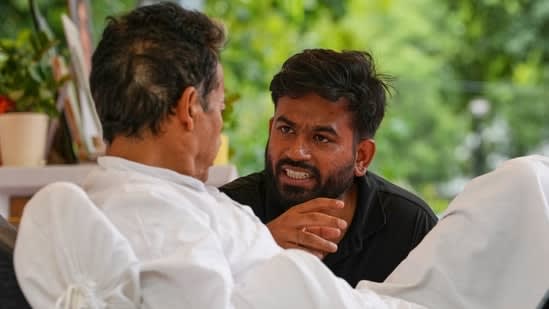
Climate activist Sonam Wangchuk has been hospitalized after 21 days of a hunger strike, prompting further unrest. Following his medical transfer, CJP member Abhijeet Dipke has initiated an indefinite hunger strike in protest.
The Escalation of the Sonam Wangchuk Protest
On July 18, 2026, the ongoing hunger strike led by educator and climate activist Sonam Wangchuk reached a critical juncture. After 21 days of protest, Wangchuk was moved to Safdarjung Hospital in New Delhi for essential medical care. This intervention was reportedly authorized by the Delhi High Court and mandated by medical experts concerned about his rapidly deteriorating physical condition.
Medical Status and Family Concerns
Despite the severity of his 21-day fast, reports indicate that Wangchuk remains conscious and his vitals are currently stable. However, the situation remains tense. His wife, Gitanjali J. Angmo, has issued a firm demand that no medical treatment—whether oral or intravenous—be administered to the activist without explicit consent from his family and personal medical team, who have been monitoring his health throughout the duration of the protest.
The Role of the Cockroach Janta Party (CJP)
Parallel to the medical developments, the protest has taken a more confrontational turn involving the 'Cockroach Janta Party' (CJP). The group has accused the Delhi Police of using force against students at the Jantar Mantar protest site. This escalation has drawn significant public attention, transforming what began as a climate-focused campaign into a broader movement involving allegations of police overreach and civil unrest.
Political Repercussions and New Protests
In response to Wangchuk's hospitalization and the reported actions of the police, Abhijeet Dipke of the CJP has announced an indefinite hunger strike. This development suggests that while the original protest leader is currently under medical supervision, the momentum of the movement is not dissipating; rather, it is being sustained by new participants who are adopting the same high-stakes methods of civil disobedience.
Broader Implications for Civil Activism
This event highlights the complex intersection of environmental advocacy, judicial intervention, and the right to protest in India. The involvement of the Delhi High Court in ordering medical care underscores the state's role in balancing the protection of an individual's life with the democratic right to dissent. As the situation evolves, the focus will likely remain on whether the government engages with the core demands of the protesters or if the movement continues to face administrative and legal hurdles.
Future Trends in the Movement
Looking forward, the transition of the protest from a singular figure to a broader group-led campaign indicates a potential hardening of positions. The use of social media-driven satire and protest tactics, as seen with the CJP, suggests that modern Indian activism is increasingly adept at mobilizing digital narratives to influence physical-world policy debates. The coming days will be crucial in determining whether dialogue or further escalation dominates the discourse.
Verification Required?