Not Okay To Call Someone 'Second-Class' Passenger: Supreme Court To Railways
Source Entity
NDTV News Search Records Found 1000
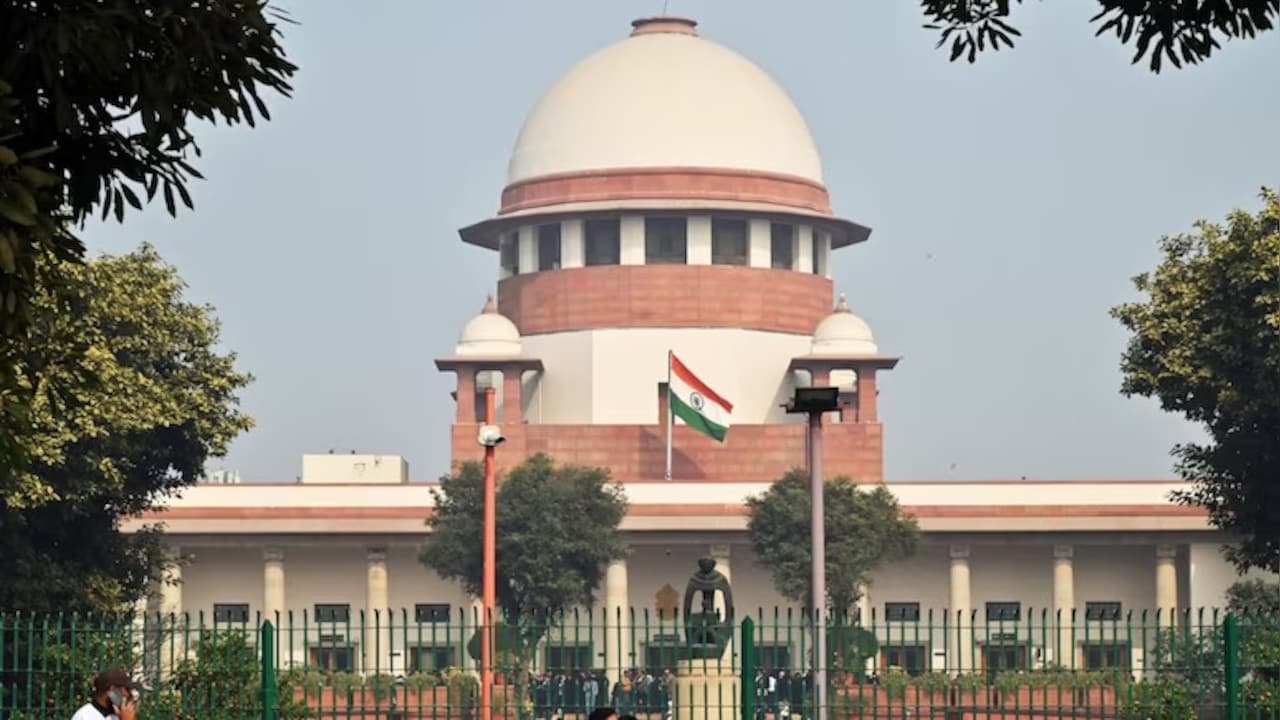
The Supreme Court of India recently criticized the practice of referring to passengers as 'second-class,' emphasizing the need for dignity in public transport. This observation arose during the hearing of a plea seeking compensation for a railway-related grievance.
Upholding Human Dignity in Public Transit
The recent observations made by the Supreme Court of India regarding the terminology used for railway passengers mark a significant moment in the discourse surrounding public service delivery. By asserting that it is "not okay" to label someone a 'second-class' passenger, the judiciary is highlighting the fundamental right to dignity that every citizen carries, regardless of their economic status or the tier of travel they choose or are forced to afford.
The Legal Context of Compensation
This judicial intervention occurred during the hearing of a specific plea for compensation. While the details of the individual case remain focused on the grievance, the Court’s broader commentary suggests that the administrative language used by state-run entities can reflect an inherent bias that dehumanizes the service user. In the eyes of the law, the quality of infrastructure should not dictate the intrinsic value of the passenger.
Challenging Administrative Nomenclature
Historically, the classification of 'first-class' and 'second-class' has been a standard feature of railway ticketing systems globally, rooted in colonial-era administrative structures. However, the Supreme Court’s stance challenges the legacy of these labels, implying that such designations should be strictly functional rather than hierarchical. When terminology implies a social hierarchy, it creates an environment where service standards are perceived as tiered, potentially impacting the accountability of state institutions.
Broader Implications for Public Services
This ruling carries profound implications for how public sector undertakings interact with the public. If the highest court in the land views derogatory labeling as problematic, it sets a precedent that service providers must prioritize equality. It forces a re-evaluation of how government bodies communicate with the citizenry, shifting the focus from mere transactional service to a rights-based approach to public utility management.
Future Trends and Judicial Oversight
Looking ahead, we can expect increased judicial scrutiny over the operational policies of the Indian Railways. This observation may serve as a catalyst for administrative reforms aimed at rebranding or normalizing service tiers to ensure they do not carry discriminatory undertones. As the judiciary continues to emphasize human rights in administrative law, state entities will likely be forced to adopt more inclusive and respectful language in their policies and passenger-facing documents.
Conclusion
In summary, the Supreme Court’s remarks serve as a vital reminder that administrative convenience should never supersede the dignity of the individual. By addressing the 'second-class' label, the Court is nudging the state toward a more equitable model of service, ensuring that every passenger is treated with the respect mandated by constitutional values.
Verification Required?