Sitaphalmandi-Lallaguda 3 km rail chord line gives trains a faster route, eases pressure on Secunderabad station
Source Entity
India Latest News: Top National Headlines Today & Breaking News | The Hindu
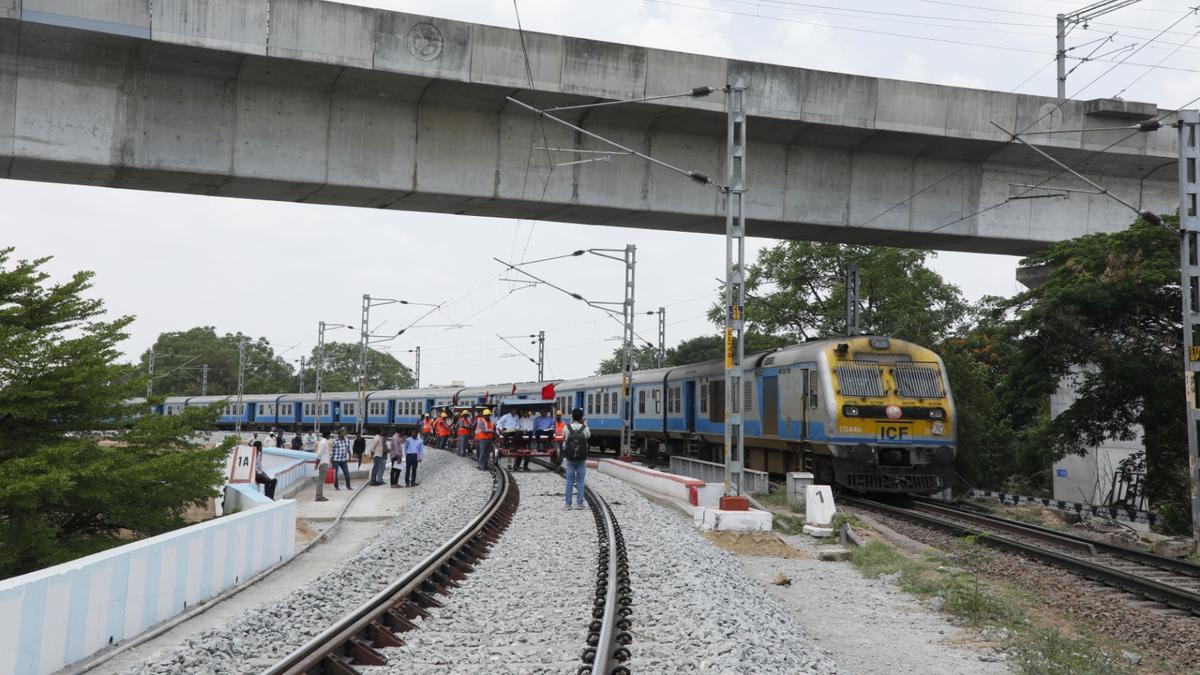
The South Central Railway has commissioned a new 3 km chord line between Sitaphalmandi and Lallaguda to bypass the congested Secunderabad station. This infrastructure upgrade improves connectivity between key routes and streamlines regional train operations.
Enhancing Hyderabad’s Rail Connectivity: The Sitaphalmandi-Lallaguda Chord Line
On July 16, 2026, the South Central Railway (SCR) marked a significant milestone in urban rail infrastructure with the successful commissioning of the three-kilometer Sitaphalmandi-Lallaguda chord line. During a formal trolley inspection, SCR General Manager Sanjay Kumar Srivastava highlighted the strategic necessity of this project, which serves as a vital artery for rail traffic navigating the Hyderabad region. By establishing a direct link between the Secunderabad-Kazipet and Secunderabad-Dhone routes, the project addresses long-standing bottlenecks in the city's rail network.
Strategic Decongestion of Secunderabad Station
The primary objective of this infrastructure development is to alleviate the intense pressure on the Secunderabad Railway Station, which has historically functioned as a central hub for both passenger and freight traffic. By providing an alternative path that bypasses the station, the chord line enables trains to transit through the city without contributing to the terminal's congestion. This rerouting capability is essential for improving the punctuality of long-distance trains and increasing the overall throughput of the South Central Railway's network.
Engineering Achievements and Infrastructure Scope
The completion of this project is the result of two years of intensive construction and engineering efforts. The infrastructure scope included the development of five minor bridges and a major road-over-bridge (ROB) situated at the Alugadda Bhavi junction, located between Rail Nilayam and Mettuguda Road. These structures were critical to overcoming urban geography challenges, ensuring that the chord line could integrate seamlessly into the existing rail landscape while minimizing disruptions to local road traffic.
Implications for Freight and Passenger Efficiency
Beyond simple congestion relief, the Sitaphalmandi-Lallaguda line represents a broader shift toward optimizing operational efficiency within Indian Railways. By streamlining the movement of trains between the Kazipet and Dhone corridors, the project reduces the idle time and scheduling conflicts that previously plagued the Secunderabad hub. This efficiency gain is expected to benefit both passenger transit times and the logistics of freight movement across the state.
Future Trends in Urban Rail Planning
Looking forward, the successful implementation of this chord line signals a move toward more flexible, decentralized rail architecture. As the Hyderabad region continues to experience rapid urbanization, the reliance on single-hub terminals like Secunderabad becomes increasingly unsustainable. Future rail planning will likely continue to prioritize the creation of bypasses and chord lines to allow for the dynamic redirection of traffic, ensuring that the rail network can scale alongside the city’s growing transportation demands.
Conclusion
The commissioning of the Sitaphalmandi-Lallaguda chord line is a testament to the ongoing commitment to modernizing India's rail infrastructure. By focusing on critical nodes that provide the highest return on operational efficiency, the South Central Railway has provided a blueprint for future urban connectivity projects. This development not only solves immediate congestion issues but also lays a robust foundation for the future of rail transit in Telangana.
Verification Required?