'Illegal detention': Wangchuk's wife moves Delhi HC, seeks transfer to private hospital
Source Entity
TOI NEWS DESK
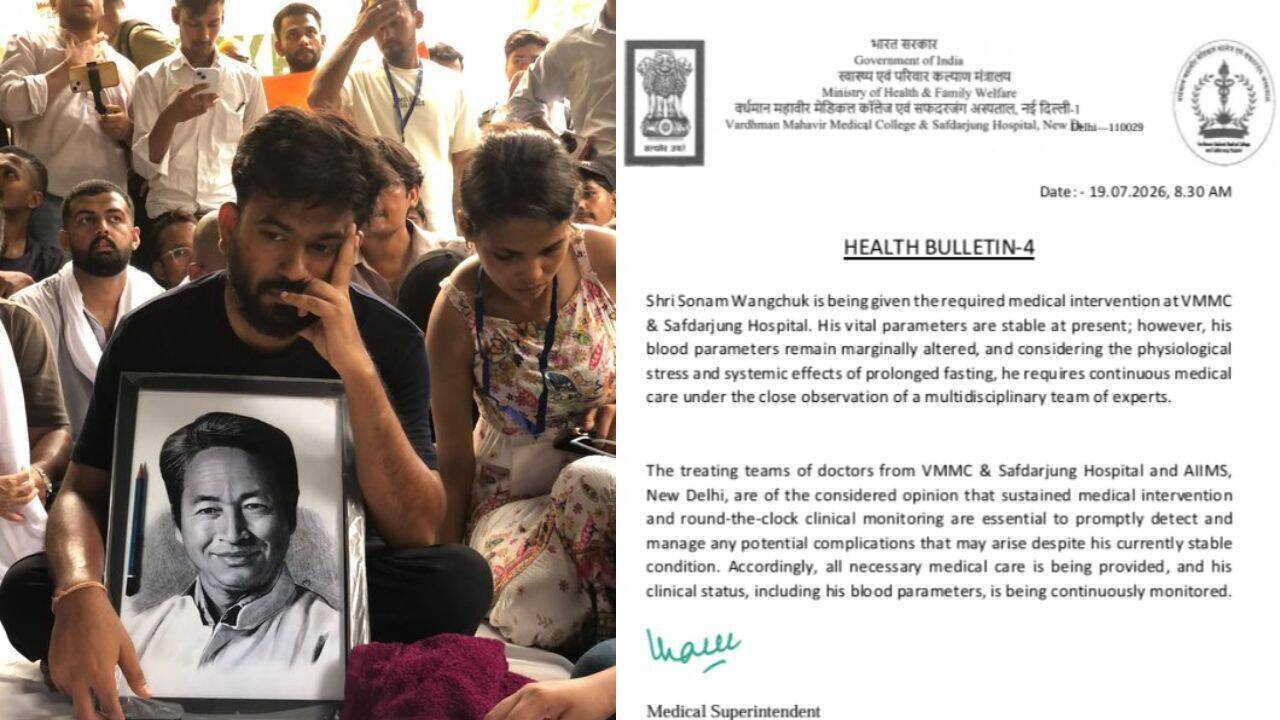
Climate activist Sonam Wangchuk was shifted to Safdarjung Hospital on July 18, 2026, after his hunger strike entered its 21st day. The hospitalization occurred under Delhi High Court orders due to his deteriorating health condition.
Medical Emergency and Legal Intervention: The Hospitalization of Sonam Wangchuk
On July 18, 2026, the prolonged hunger strike of educator and climate activist Sonam Wangchuk reached a critical juncture. After 21 days of fasting, Mr. Wangchuk was shifted by the Delhi Police to Safdarjung Hospital. This move was not a discretionary action by the police but was executed following specific orders from the Delhi High Court and based on expert medical advice. The intervention was necessitated by the activist's deteriorating health, highlighting the severe physical toll that a three-week indefinite hunger strike takes on the human body.
The Legal and Medical Framework of the Removal
The shift to Safdarjung Hospital underscores the complex intersection of civil disobedience and judicial oversight in India. The Delhi DCP’s office clarified that the hospitalization was for 'essential medical care,' indicating that the state felt a legal and moral obligation to preserve the activist's life despite his protest. While reports indicate that Mr. Wangchuk remains conscious and his vitals are currently stable, the necessity of court intervention suggests that his health had reached a threshold where medical stabilization became mandatory to prevent permanent organ damage or death.
Family Concerns and Medical Autonomy
A significant point of tension has emerged regarding the administration of medical treatment. Gitanjali J. Angmo, Mr. Wangchuk's wife, has explicitly demanded that no medication be administered orally or intravenously without the express consent of the family and the doctors who had been monitoring his health throughout the 20-day fast. This demand highlights a critical struggle for autonomy, as the activist's family seeks to ensure that the medical treatment provided in a state-run facility does not override the personal and political will of the hunger striker.
Volatility at the Protest Site
Beyond the immediate medical crisis of Mr. Wangchuk, the atmosphere at the Jantar Mantar protest site has remained volatile. Reports from the 'Cockroach Janta Party'—a group that has seen a social media satire evolve into a significant protest movement—have accused the Delhi Police of using force, specifically lathi-charging students. These allegations of police brutality, combined with the detention of individuals such as Abhijeet Dipke, suggest a high-friction environment where state security forces are struggling to manage a growing and disillusioned youth demographic.
Broader Implications for Climate and Educational Activism
Sonam Wangchuk's protest is not an isolated event but a reflection of deeper systemic grievances regarding climate change and educational reform. By utilizing a hunger strike, Wangchuk employs a traditional yet powerful tool of non-violent resistance to draw national attention to his cause. The involvement of the Delhi High Court and the subsequent police action demonstrate the state's attempt to balance the fundamental right to protest with the responsibility of ensuring public health and order. The transition of the 'Cockroach Janta Party' from a satirical entity to a protest force indicates a shift in how political dissent is being organized among the younger generation in India.
Conclusion
The hospitalization of Sonam Wangchuk marks a pivotal moment in his current campaign. While the state has successfully ensured his medical safety through judicial mandates, the underlying issues that triggered the 21-day fast remain unresolved. With his family guarding his medical autonomy and protests continuing at Jantar Mantar, the situation remains a delicate standoff between an activist's determination and the state's regulatory power.
Multiple Citing Sources