'500 farmers join': Wangchuk gets support from Tikait, Kejriwal at 'packed' Jantar Mantar
Source Entity
TOI NEWS DESK
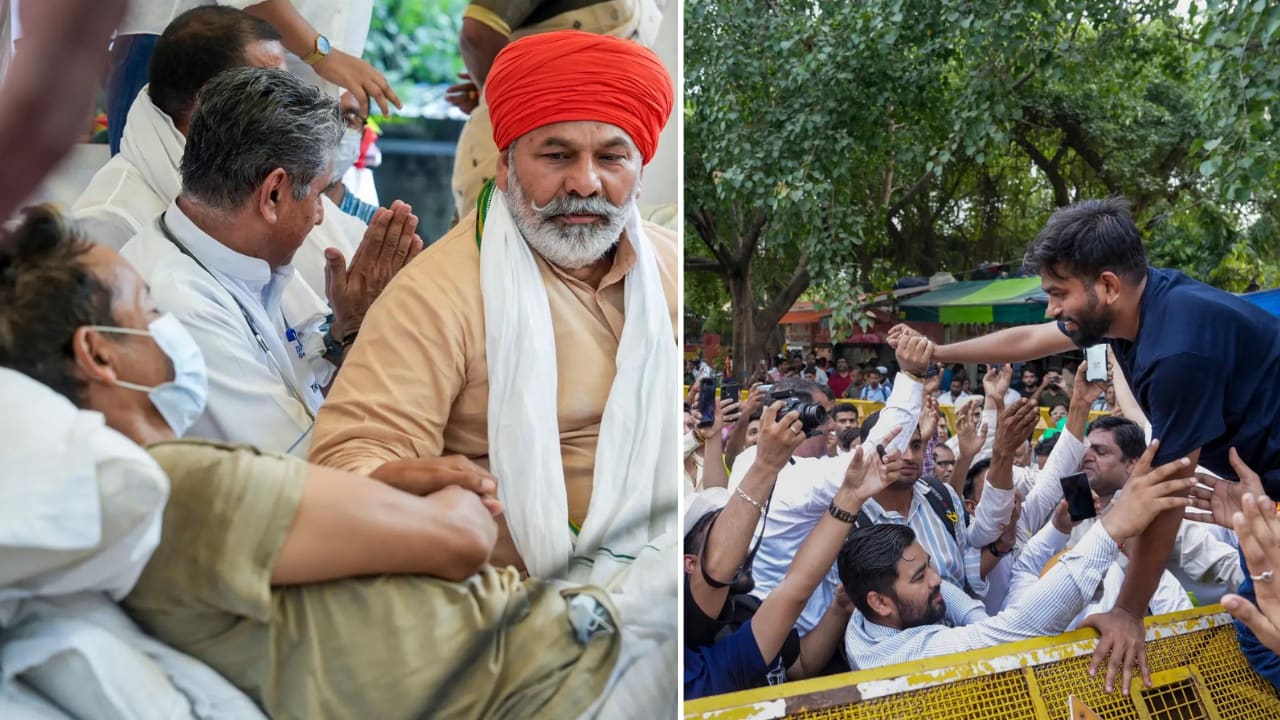
Sonam Wangchuk's hunger strike at Jantar Mantar has entered its 19th day, gaining significant momentum with the support of farmer leader Rakesh Tikait, AAP's Arvind Kejriwal, and various Congress leaders. As 500 farmers join the protest, doctors have issued urgent warnings regarding Wangchuk's deteriorating health, while opposition parties continue to demand the removal of the responsible minister.
The Escalation of Sonam Wangchuk's Hunger Strike: A Convergence of Dissent
Sonam Wangchuk's hunger strike has reached a critical juncture as it enters its nineteenth day at Jantar Mantar. What began as a targeted protest for the people of Ladakh has evolved into a broader symbol of resistance, attracting a diverse coalition of supporters. The presence of a 'packed' Jantar Mantar signifies that the grievances of the Ladakh region are resonating beyond the borders of the Himalayas, transforming a regional demand into a national conversation about autonomy, environmental protection, and democratic accountability.
The Strategic Alliance with Agrarian Movements
One of the most significant developments in this protest is the joining of farmer leader Rakesh Tikait and the arrival of 500 farmers. This alignment is highly analytical in its implication; by bridging the gap between the ecological and political struggles of Ladakh and the agrarian unrest seen across India, the movement has expanded its base of support. The involvement of Tikait suggests a strategic synthesis of 'land and environment' issues, positioning Wangchuk's struggle not just as a regional administrative dispute, but as part of a larger national trend of grassroots resistance against perceived central overreach.
Political Mobilization and Opposition Strategy
The support from prominent figures such as Arvind Kejriwal and leaders from the Congress party indicates that the hunger strike has become a political flashpoint. The opposition's strategy is twofold: they are providing a platform for Wangchuk's demands while simultaneously using the momentum to pressure the central government. By urging the removal of the concerned minister, these political entities are attempting to hold the administration accountable for the perceived failure in dialogue. The appeal from Congress leaders for Wangchuk to end his fast, while maintaining their support for his demands, reflects a delicate balance between humanitarian concern and the desire to keep the political pressure high.
The Humanitarian Crisis and Medical Urgency
As the fast persists, the narrative has shifted heavily toward the physical toll on Sonam Wangchuk. The warnings from medical professionals regarding serious health complications introduce a ticking clock to the negotiations. In the history of hunger strikes, the deteriorating health of the protagonist often serves as the ultimate catalyst for government intervention. The medical warnings now place the central administration in a precarious position; any further delay in addressing the demands could lead to a health catastrophe that would likely ignite widespread public indignation and intensify the protests.
Systemic Implications of the Demands
The core of the protest—highlighted by the demand for a minister's removal—points to a profound breakdown in communication between the activists and the state. This movement is not merely about administrative changes but represents a deeper struggle for the Sixth Schedule and constitutional safeguards for Ladakh. The insistence on the removal of a specific official suggests that the protesters no longer trust the current intermediaries to negotiate in good faith, indicating that the movement has moved from a phase of 'request' to a phase of 'demand.'
Future Outlook and Conclusion
Looking forward, the trajectory of this protest will likely depend on whether the government chooses to engage in direct, high-level dialogue or continues its current stance. The convergence of farmer unions and major opposition parties creates a potent political bloc that is difficult to ignore. If the government fails to act before Wangchuk's health reaches a point of no return, the protest could transition from a peaceful hunger strike to a more volatile mass mobilization.
In summary, the events at Jantar Mantar represent a potent intersection of regional identity, environmental urgency, and national politics. With the support of Rakesh Tikait and the opposition, Sonam Wangchuk has successfully scaled his struggle, turning a personal sacrifice into a collective demand for justice and systemic reform.