'Padyatra or anshan': Sonam Wangchuk's warning if leaders detained in Delhi not released by tomorrow
Source Entity
Latest News: Todays Latest News Headlines from India & World | Hindustan Times | Hindustan Times
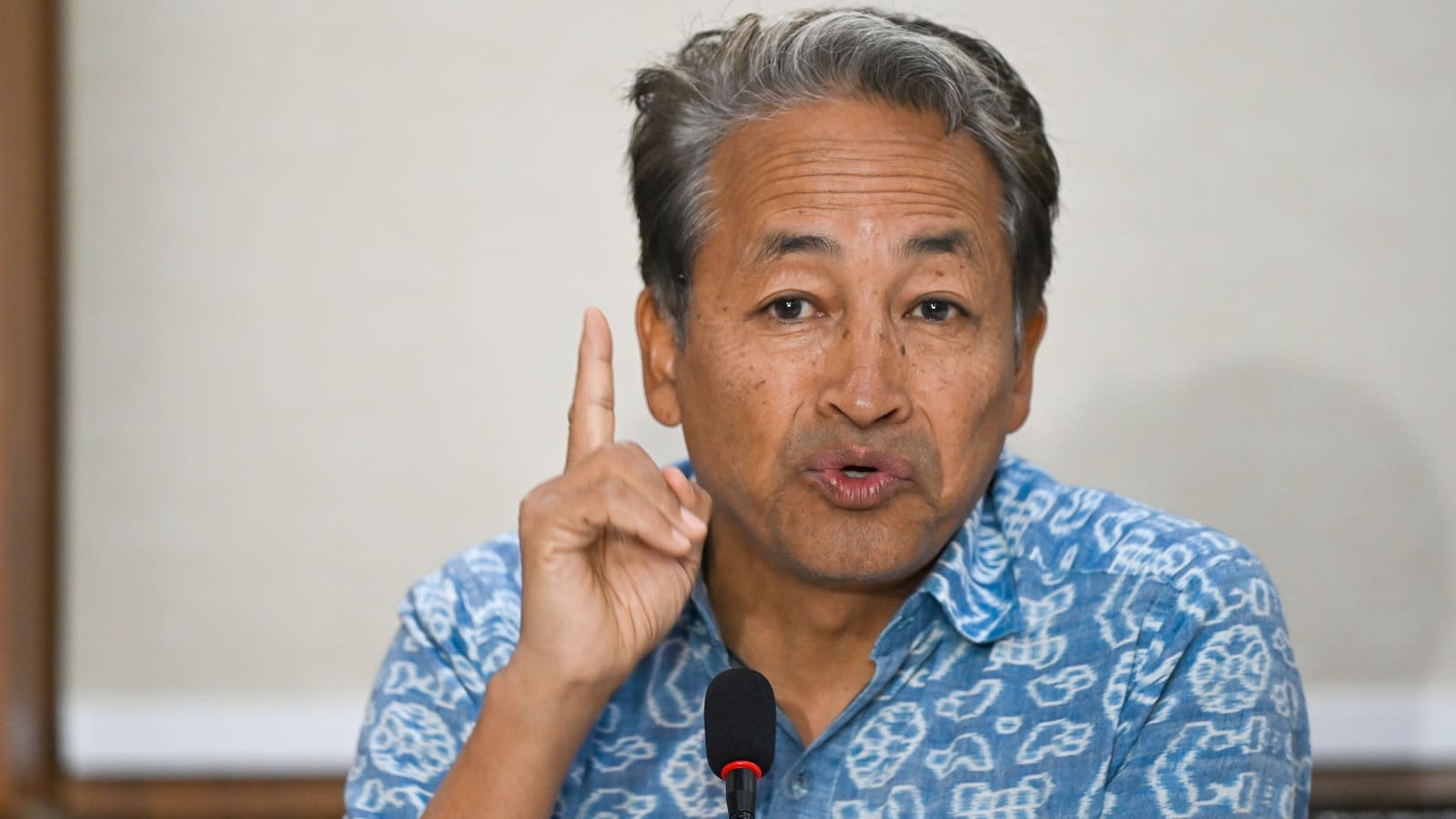
Activist Sonam Wangchuk has threatened a hunger strike or foot march unless political leaders and activists detained in Delhi are released. The detentions occurred ahead of a protest against the Election Commission, with Wangchuk describing the current climate as an 'undeclared emergency'.
Tensions Escalate in the Capital: Sonam Wangchuk Demands Release of Detained Leaders
Climate activist Sonam Wangchuk has issued a stern ultimatum to authorities, warning that he will initiate a hunger strike or a foot march if political leaders and activists currently detained in New Delhi are not released by tomorrow. The situation in the capital has reached a boiling point following the preventive detention of several high-profile figures, including AAP leader Arvind Kejriwal, TMC supremo Mamata Banerjee, and Kerala Chief Minister Pinarayi Vijayan, among others. These detentions took place as these leaders attempted to organize a protest at Jantar Mantar to voice concerns regarding alleged irregularities within the Election Commission and to demand the resignation of Chief Election Commissioner Gyanesh Kumar.
The Specter of an 'Undeclared Emergency'
Wangchuk’s rhetoric has been particularly sharp, characterizing the current political climate as an "undeclared emergency." This terminology is historically charged in India, evoking memories of the 1975-1977 period when civil liberties were suspended. By invoking this language, Wangchuk is positioning the current crackdown not merely as a localized law-and-order issue but as a systemic threat to democratic participation. His warning of a padyatra (foot march) or an anshan (hunger strike) mirrors the Gandhian methods of protest he has historically championed, signaling an escalation in the struggle between civil society and the state apparatus.
The Catalyst: Election Commission Controversies
The root of this confrontation lies in the growing distrust regarding the integrity of the Election Commission. The proposed protest, organized under the banner of the Cockroach Janta Party, sought to challenge the impartiality of the poll body. The preemptive detention of prominent political figures suggests a strategy of containment by the Delhi Police to prevent the mobilization of crowds at Jantar Mantar. However, this strategy appears to have galvanized, rather than suppressed, the opposition, with influential voices like Wangchuk stepping into the vacuum to demand accountability.
Broader Implications for Civil Society
The involvement of a diverse array of leaders—spanning regional heavyweights like Mamata Banerjee and Pinarayi Vijayan to grassroots activists like Yogendra Yadav—highlights the widening coalition of dissent against the current administration's handling of institutional oversight. Wangchuk, who previously expressed his inability to join the protests due to other commitments, has now made it clear that he views the mass detention of his peers as a red line that cannot be crossed without significant public resistance.
Future Trends and Potential Outcomes
Should the authorities refuse to release the detainees, the looming threat of a hunger strike by a figure of Wangchuk’s stature could transform the narrative from a political disagreement into a broader social movement. Historically, hunger strikes in India have often served as a rallying point for public sympathy and international scrutiny. As the deadline approaches, the government faces a precarious choice: either de-escalate by releasing the leaders or risk a prolonged, high-visibility confrontation that could further damage the perceived legitimacy of the electoral oversight process. The outcome of this standoff will likely set a precedent for how future protests regarding institutional integrity are handled in the national capital.
Verification Required?