At least 14 students from Pune enroute to Delhi for CJP protest detained at Itarsi
Source Entity
The Indian Express
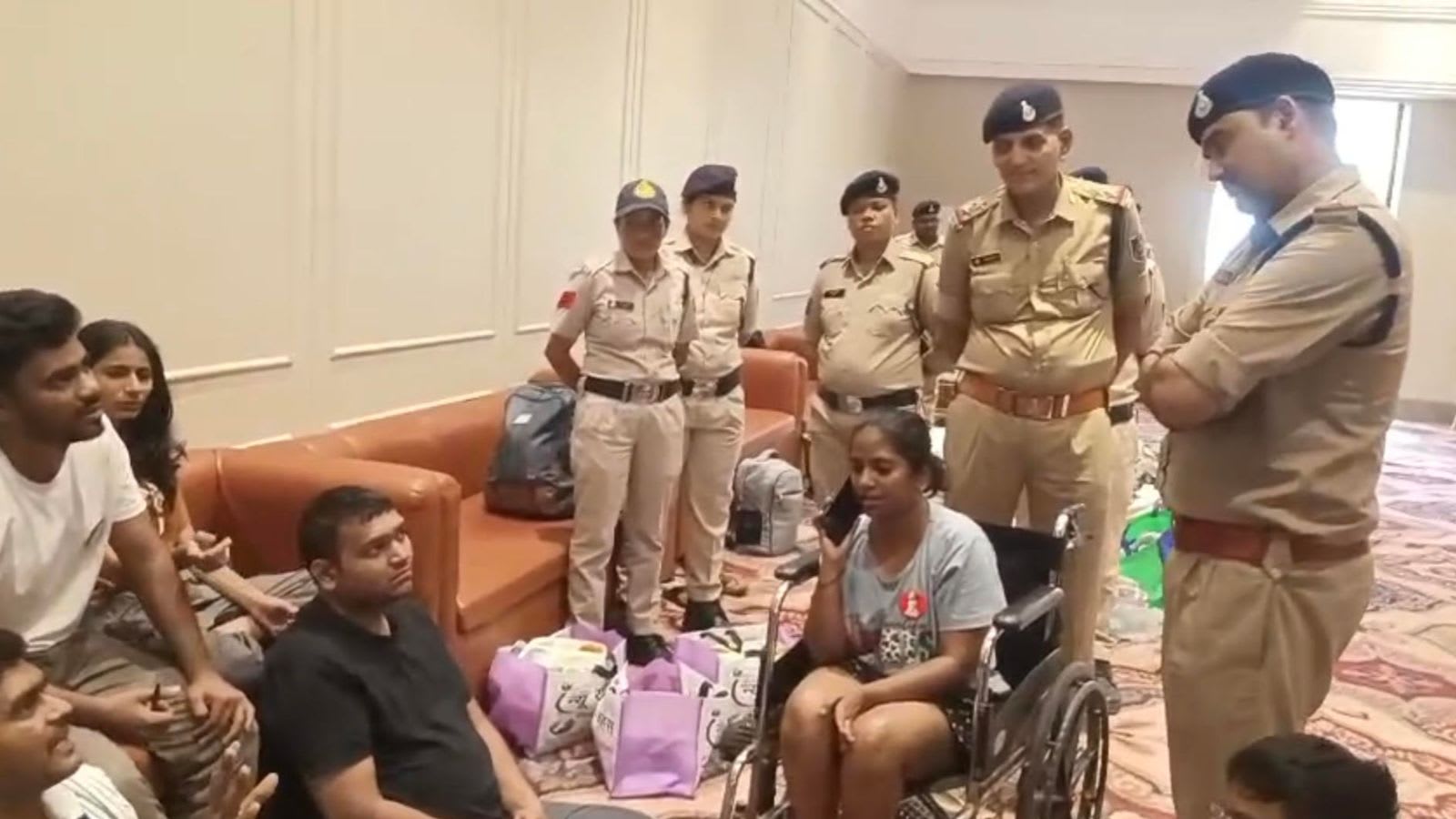
A protest in New Delhi by the CJP against CEC Gyanesh Kumar escalated into violence, resulting in stone pelting and a police injury. Security measures led to the detention of over 400 individuals and widespread disruption for daily wage workers.
Turmoil in the Capital: Protest Escalation and Security Response
The political climate in New Delhi reached a flashpoint on October 10, 2026, as a demonstration organized by the Cockroach Janta Party (CJP) against Chief Election Commissioner Gyanesh Kumar devolved into violence. Reports from Connaught Place indicate that the situation deteriorated rapidly, resulting in stone-pelting incidents that left at least one police official injured. This confrontation underscores the volatile nature of public dissent in the heart of the national capital when institutional grievances intersect with heightened security protocols.
The Security Apparatus and Crowd Control
In response to the demonstration, authorities deployed intensive security measures to maintain order. The integration of specialized units, including the 'Pink Force' and body-camera-equipped officers, reflects a modern approach to policing high-stakes protests. The scale of the response was significant, with over 400 protesters detained by security personnel. This massive preemptive and reactive detention strategy highlights the government's focus on preventing the escalation of civil unrest during politically charged events.
Economic Disruption and the Plight of the Working Class
Beyond the political conflict, the protest had immediate, tangible consequences for the city's labor force. Security cordons in areas like Nizamuddin effectively paralyzed the movement of migrant daily wage laborers and service staff heading toward Khan Market and central Delhi. The inability of these workers to access their workplaces due to a lack of formal identification cards highlights a recurring systemic challenge: the disconnect between security-driven mobility restrictions and the informal economy that keeps the city functioning.
Challenges of Verification in a Restricted Zone
Personal accounts from individuals like Devender Chauhan illuminate the frustration caused by the current security environment. Despite wearing uniforms or carrying keys essential for business operations, workers were turned away by police at barricades. This rigid enforcement, while intended to secure the protest zone, created significant economic friction, preventing small shops and cafes from operating normally during the day.
Broader Implications and Future Trends
This event serves as a microcosm of the challenges facing urban governance in India's capital. As political organizations increasingly leverage public spaces for demonstrations against constitutional authorities like the Election Commission, the burden on police resources grows. Future trends suggest that while technology like body cameras will continue to be a standard tool for accountability and evidence collection, the reliance on broad mobility restrictions will likely continue to spark debate regarding the balance between public order and the right to work for the city's most vulnerable populations.
Multiple Citing Sources