Opinion: What Sonia Gandhi's Book Says On Pranab Mukherjee, What It Doesn't
Source Entity
NDTV News Search Records Found 1000
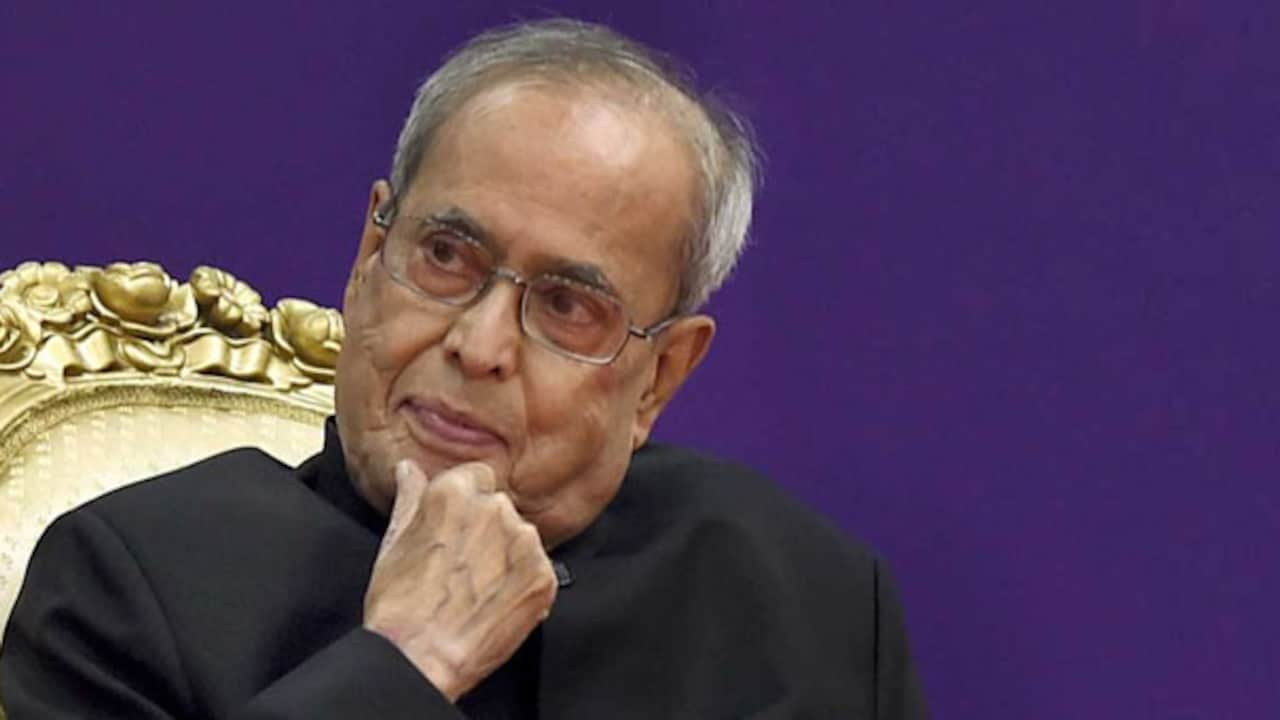
Sonia Gandhi's recent literary contributions offer a nuanced look at the political trajectory of the late Pranab Mukherjee. The analysis explores why Mukherjee, despite his stature, never ascended to the Prime Minister's office.
The Political Trajectory of Pranab Mukherjee
Pranab Mukherjee remains one of the most consequential figures in modern Indian political history. His career, spanning several decades, saw him hold key ministerial portfolios, yet the ultimate prize of the Prime Minister’s office remained elusive. The recent discourse surrounding Sonia Gandhi’s book brings renewed attention to this historical reality, specifically examining the dynamics within the Congress party that shaped his path.
The 2012 Presidency and Beyond
In 2012, Mukherjee transitioned to the ceremonial role of the President of India. While this position is the highest office in the nation, it is often viewed as a departure from active executive governance. The narrative surrounding his presidency is inextricably linked to the previous missed opportunities for the premiership, leading to long-standing speculation regarding internal party hierarchies and the decision-making processes of the Congress leadership during critical junctures.
Analyzing the Power Dynamics
The relationship between Pranab Mukherjee and the Gandhi family is a subject of intense academic and political interest. By examining the context provided in Sonia Gandhi's writing, observers can gain insight into the strategic considerations that influenced the party's leadership selections. It highlights the tension between institutional loyalty, seniority, and the strategic preferences of the party high command.
Historical Context of Leadership Succession
Historically, the path to the Prime Minister’s chair in India has been influenced by a complex interplay of internal party consensus and electoral calculations. Mukherjee’s exclusion from the top executive role—despite his administrative acumen and deep knowledge of parliamentary procedure—reflects the unique political culture of the UPA era. This case serves as a quintessential example of how political parties balance the aspirations of veteran leaders against broader strategic goals.
Future Implications for Political Analysis
The legacy of Pranab Mukherjee continues to inform how political analysts interpret internal party democracy and leadership succession. Future political historians will likely use these accounts to document the evolution of the Congress party’s power structure. As more memoirs are released, the gaps in our understanding of these pivotal years will continue to close, providing a clearer picture of the decision-making that defined an era of Indian governance.
Verification Required?