Sonu Sood raises alarm over India’s loneliness crisis: ‘Bigger issue than most realise’
Source Entity
The Indian Express
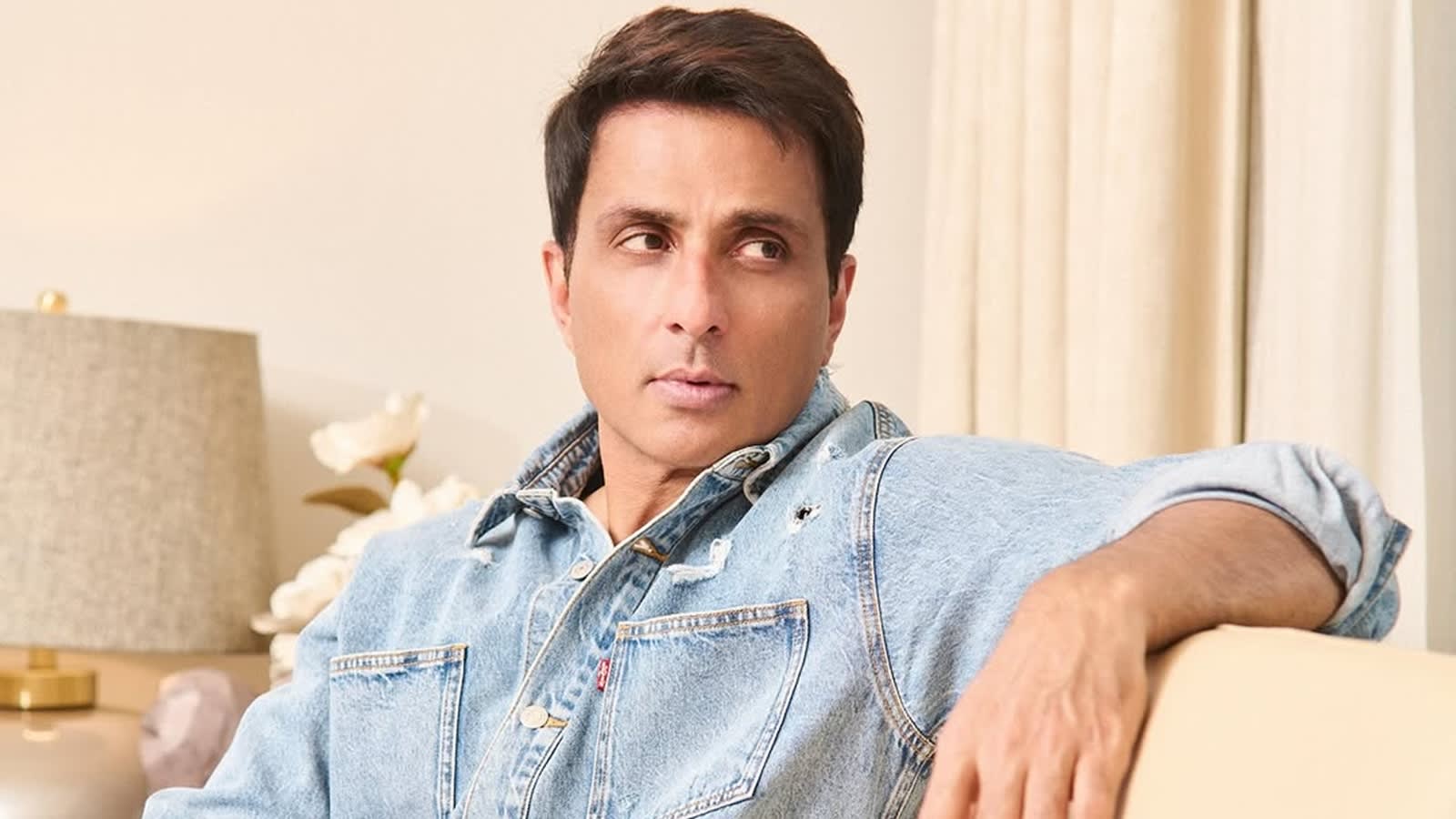
Actor and philanthropist Sonu Sood has utilized his social media platform to bring urgent attention to India's escalating loneliness crisis, describing it as a significant but overlooked societal issue.
The Silent Epidemic: Analyzing Sonu Sood's Warning on India's Loneliness Crisis
In a recent move that leverages his significant social influence, actor and humanitarian Sonu Sood has raised a critical alarm regarding the growing loneliness crisis in India. By utilizing his Instagram platform, Sood highlighted that India is increasingly becoming one of the loneliest nations, suggesting that the depth of this social isolation is far greater than the general public or policymakers currently realize. This intervention is not merely a celebrity observation but a spotlight on a burgeoning public health emergency that intersects with mental health, sociology, and urban development.
The Paradox of Density and Isolation
One of the most striking aspects of this crisis is the paradox of India's demographics. In a country characterized by extreme population density and bustling urban centers, the prevalence of loneliness is counterintuitive. However, as Sood's warning suggests, physical proximity does not equate to emotional connectivity. The rapid pace of urbanization has led to a phenomenon where individuals are surrounded by millions yet feel entirely isolated. This 'crowded loneliness' is often exacerbated by the competitive nature of modern urban life, where professional ambitions frequently override the cultivation of deep, meaningful personal relationships.
The Erosion of Traditional Support Systems
Historically, India's social fabric was woven around the joint family system, which provided a built-in support network for individuals across all age groups. However, the shift toward nuclear families—driven by economic migration and a desire for individual autonomy—has left a void in emotional security. The transition has been particularly harsh for the elderly, who often find themselves abandoned in ancestral homes or isolated in cities with children who are preoccupied with corporate demands. This systemic shift has transformed the domestic environment from a sanctuary of companionship into a space of solitude, fueling the crisis Sood describes.
The Digital Mirage and Emotional Poverty
Adding to the complexity is the role of digital connectivity. While India has one of the highest rates of internet and social media penetration globally, this has created a 'digital mirage' of companionship. The superficial interactions on platforms like Instagram and WhatsApp often replace face-to-face intimacy, leading to a state of emotional poverty. Users may have thousands of virtual 'friends' but lack a single confidant to turn to during a crisis. Sood's choice to use Instagram to highlight this issue is poignant, as it addresses the very demographic—young, connected adults—who are most susceptible to this form of modern isolation.
Public Health Implications and the Risk of Neglect
From a health perspective, the loneliness crisis is far more than a psychological burden; it is a physiological risk. Chronic loneliness is linked to increased cortisol levels, cardiovascular disease, and a weakened immune system. In the Indian context, where mental health remains heavily stigmatized, loneliness often manifests as depression or anxiety without a clear diagnosis. By framing loneliness as a 'bigger issue than most realize,' Sood is indirectly calling for a shift in how the healthcare system views social isolation—not as a personal failure, but as a critical determinant of overall health.
The Power of Celebrity Advocacy in Destigmatization
Sonu Sood's involvement in this discourse is strategically significant. Due to his track record of grassroots philanthropy during the COVID-19 pandemic, he possesses a level of trust and reach that transcends traditional media. When a figure of his stature discusses loneliness, it helps destigmatize the admission of feeling isolated. It transforms a 'shameful' secret into a recognized societal challenge. This advocacy can act as a catalyst for more formal government interventions, such as the creation of community centers or the integration of social wellness into primary healthcare.
Conclusion: Toward a More Connected Future
Ultimately, the alarm raised by Sonu Sood serves as a necessary wake-up call for a nation in transition. Addressing the loneliness crisis will require more than individual effort; it demands a societal re-evaluation of how we define success and community. Moving forward, the focus must shift toward rebuilding social capital through community-led initiatives and the promotion of mental health literacy. If left unchecked, the loneliness crisis could undermine the productivity and well-being of India's human capital, making the pursuit of emotional connectivity as vital as economic growth.