Inside Track: Southern Star’s Pawar Politics
Source Entity
Coomi Kapoor
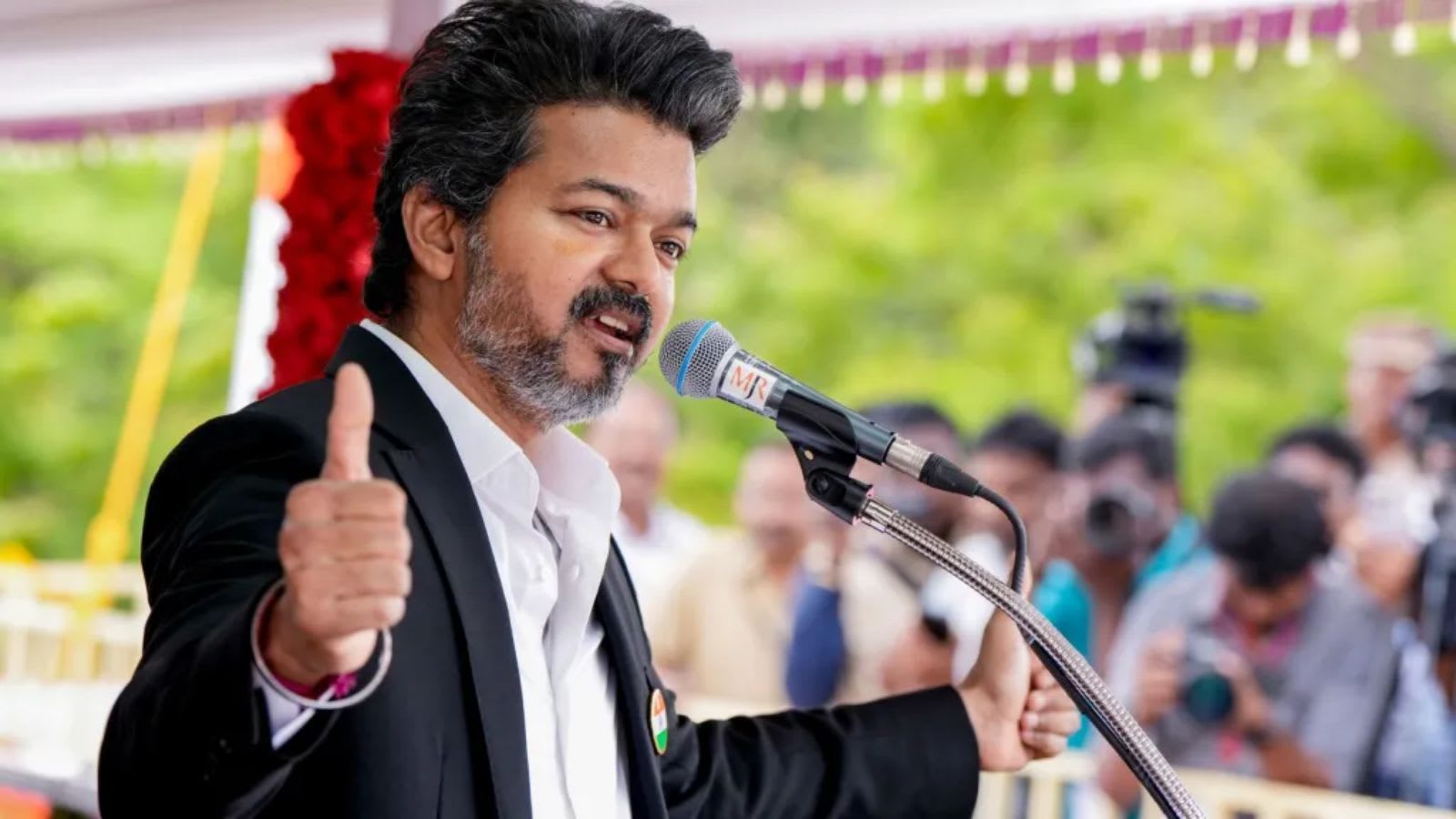
A high-profile wedding in Chennai brought together influential regional leaders Joseph Vijay, Jagan Reddy, and KT Rama Rao. The meeting highlights the evolving dynamics of southern Indian politics and the strategic independence of emerging leaders like Vijay.
The Chennai Confluence: Redefining Southern Power Dynamics
The recent pre-wedding ceremony of Shreya, niece of former Andhra Pradesh Chief Minister YS Jagan Reddy, served as an unlikely stage for a significant political gathering. While the event was social in nature, the presence of three major regional power brokers—Tamil Nadu Chief Minister Joseph Vijay, YSR Congress leader Jagan Reddy, and BRS leader KT Rama Rao—signals an evolving landscape in southern Indian politics. These three leaders represent the bedrock of regional influence, each managing parties that have historically dictated the electoral outcomes of their respective states.
The Rise of Strategic Pragmatism
Tamil Nadu Chief Minister Joseph Vijay stands at the center of this new political narrative. Despite being a relatively new entrant into the political arena, his approach as the founder-president of the TVK party suggests a move away from traditional ideological rigidities. By maintaining a balance between his involvement in the INDIA bloc and his ability to engage with diverse national leaders, Vijay is demonstrating a form of 'strategic independence' that allows him to prioritize the immediate needs of his state over binary political alliances.
The Regional Satraps and Their Influence
Jagan Reddy, despite his recent electoral setbacks in Andhra Pradesh, remains a formidable force with deep-rooted influence, while KT Rama Rao continues to command the BRS, a party with a legacy defined by the Telangana statehood movement. Their interaction with Vijay suggests an informal network of regional leaders who recognize that, regardless of national party affiliations, the future of southern politics requires a degree of cross-border cooperation and communication. This informal diplomacy is a hallmark of leaders who understand that regional autonomy is best protected through personal rapport.
Navigating the National-Regional Divide
Vijay’s ability to host Rahul Gandhi for lunch and subsequently welcome Narendra Modi at the airport within a 24-hour window is a testament to his tactical flexibility. This behavior is not merely about courtesy; it is a calculated effort to ensure that the interests of Tamil Nadu remain insulated from the volatility of national political disputes. By keeping lines of communication open with both the government and the opposition, he positions his state as a player that cannot be ignored by either side.
Future Trends in Southern Consolidation
Looking ahead, we can expect this trend of 'pragmatic regionalism' to intensify. As national parties continue to struggle with the complexities of regional aspirations, leaders like Vijay, Reddy, and Rama Rao are likely to leverage their personal chemistry to create a collective bargaining power. This is not necessarily the precursor to a formal 'Third Front,' but rather a shift toward a model where regional leaders act as independent arbiters of their own political destinies.
Conclusion: The New Political Order
The Chennai meeting underscores that personal relationships often dictate the trajectory of state-level governance more than formal party lines. As these leaders continue to navigate their respective political futures, the synergy displayed at this wedding serves as a reminder that in the volatile arena of Indian politics, the ability to maintain independent channels of influence is the ultimate mark of a savvy operator.