Southwest Airlines cuts 2026 profit forecast on higher fuel
Source Entity
US Top News and Analysis
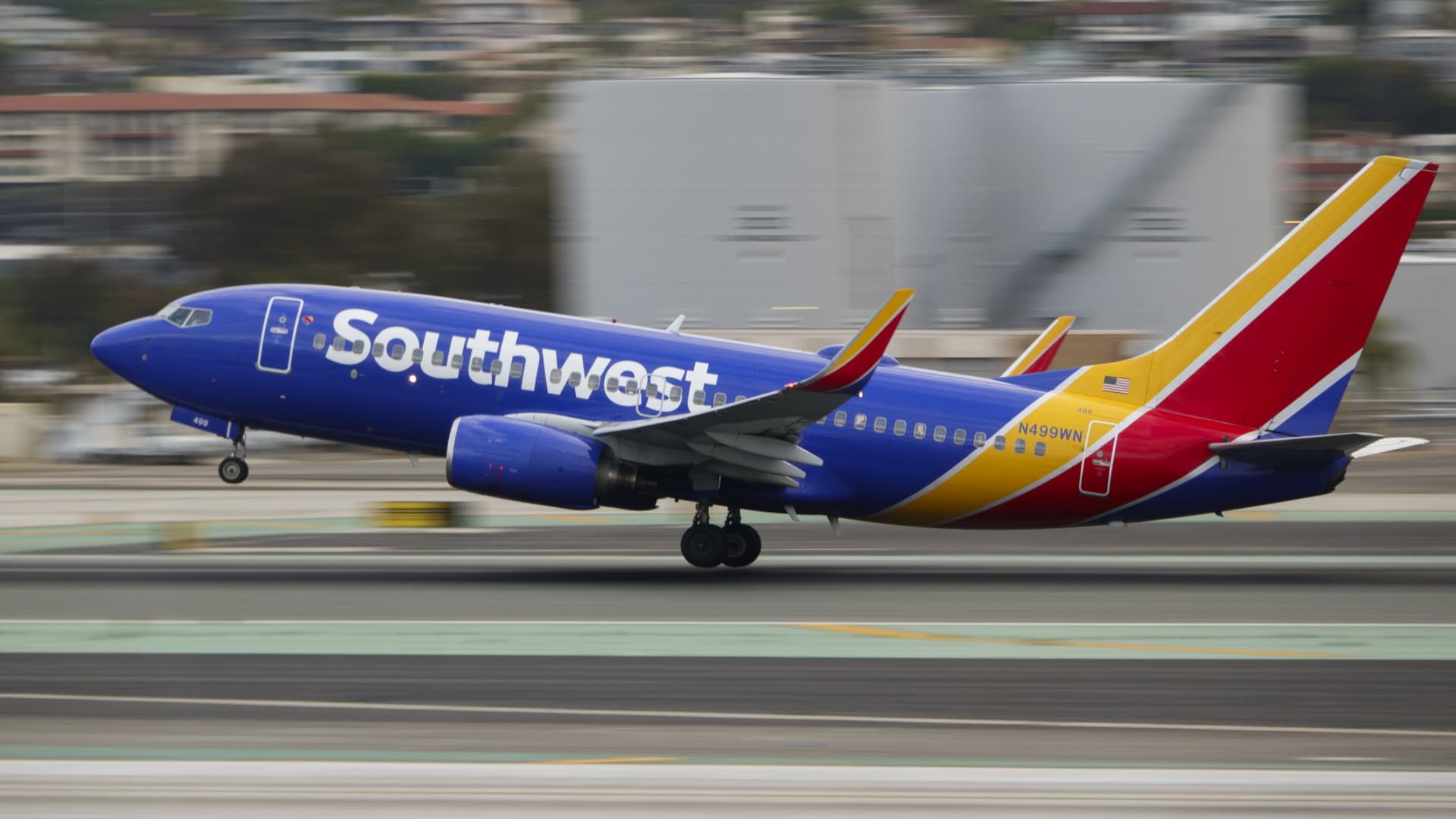
Southwest Airlines has lowered its 2026 profit outlook, citing the persistent burden of rising fuel costs. Despite this, the carrier outperformed third-quarter expectations, showcasing resilience in passenger demand and revenue generation.
Southwest Airlines Adjusts Financial Outlook Amid Fuel Volatility
Southwest Airlines has officially joined a growing list of major U.S. carriers in revising their long-term financial projections downward. By cutting its 2026 profit forecast, the airline is signaling that the current macroeconomic environment, specifically regarding volatile energy markets, is creating significant headwinds for the aviation industry. This move marks Southwest as the third major carrier this month to acknowledge that rising fuel expenses are fundamentally altering the path to profitability.
Analyzing the Financial Downward Revision
The airline has adjusted its expectations for adjusted earnings per share (EPS) for the current year to a range of $2.60 to $2.85. This is a substantial reduction from the previous forecast issued in July, which had anticipated earnings between $3.25 and $4.25 per share. This downward shift reflects a cautious outlook as management recalibrates its financial model to account for the sustained higher costs of jet fuel, which remains one of the largest and most unpredictable line items in an airline's operating budget.
Third-Quarter Performance Highlights
Despite the sobering long-term forecast, Southwest reported a strong third quarter that managed to beat Wall Street expectations. The airline posted an adjusted EPS of 66 cents, surpassing the consensus estimate of 58 cents. Furthermore, revenue figures were robust, coming in at $8.42 billion against the expected $8.25 billion. These numbers indicate that the core business remains healthy and that the airline continues to attract significant passenger volume even in a higher-cost environment.
Resilient Demand and Commercial Initiatives
Management has emphasized that demand for air travel remains strong, reinforcing the belief that the airline's underlying earnings power is durable. The company highlighted that its recent commercial initiatives, including the implementation of bag fees and other revenue-generating strategies, have performed well. By 'lapping' these initiatives from the previous year, Southwest is demonstrating that it can maintain a competitive edge and successfully integrate new revenue streams into its operational framework.
Broader Implications for the Aviation Industry
The ripple effect of these revised forecasts suggests a broader trend within the U.S. airline sector. As carriers grapple with the dual challenges of operational costs and fuel price volatility, investors are watching closely to see how effectively these companies can pass costs onto consumers without dampening travel demand. Southwest’s ability to exceed quarterly expectations while simultaneously lowering long-term guidance highlights the delicate balance airlines must strike between short-term operational success and long-term financial planning.
Conclusion and Future Trends
Looking ahead, the focus for Southwest and its peers will likely remain on cost management and operational efficiency. While fuel prices remain the primary catalyst for these financial adjustments, the durability of travel demand will be the deciding factor in how quickly these companies can return to their previous growth trajectories. The market will continue to monitor whether these adjustments are merely tactical responses to short-term energy shocks or indicators of a structural shift in airline profitability.