The last, best hope for space tourism just rolled onto a runway in Arizona
Source Entity
Eric Berger
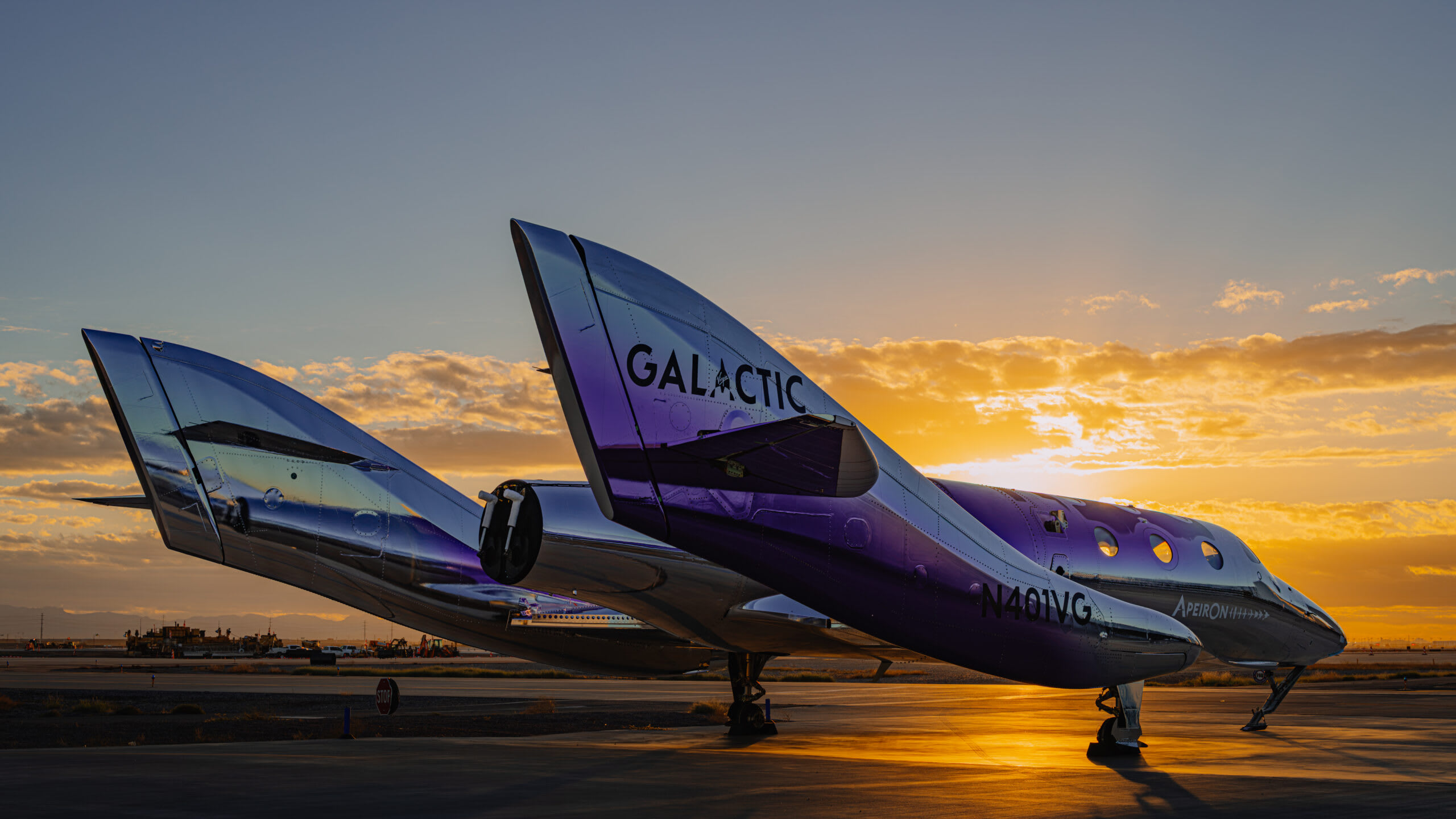
The space tourism sector faces a significant lull as major players shift focus toward heavy-lift rockets and orbital infrastructure. With no commercial flights in months, the industry is transitioning from suborbital novelty to long-term orbital development.
The Stalled Ascent of Commercial Space Tourism
Five years ago, the private space tourism sector was heralded as the dawn of a new era for humanity, characterized by the rapid expansion of suborbital flights by companies like Blue Origin and Virgin Galactic. During this period, the promise of democratizing space travel seemed within reach as non-professional astronauts began ascending toward the Kármán line. This initial wave of enthusiasm was bolstered by SpaceX, which successfully demonstrated that private citizens could endure orbital missions lasting several days aboard the Crew Dragon capsule.
A Shift in Corporate Priorities
However, the momentum that defined the early 2020s has hit a significant plateau, with nearly a year passing since the last dedicated space tourism flight. The industry is currently navigating a period of introspection and strategic realignment. Blue Origin, for instance, has effectively paused its New Shepard program since its last mission in January. Rather than focusing on the suborbital experience, the company has pivoted its engineering resources toward the development of the New Glenn heavy-lift rocket and the Blue Moon lunar lander, signaling a prioritization of long-term infrastructure over short-term tourist ventures.
The End of the 'Free-Flyer' Era
SpaceX, the industry leader in orbital capability, has also seen a cooling of its tourism-centric flight schedule. Following the completion of the Fram2 mission in April 2025, the company has largely moved away from the 'free-flyer' model—missions designed solely for the experience of orbiting Earth without visiting a space station. While there remains a pipeline of non-NASA missions intended for space stations, the frequency of purely recreational flights has diminished, marking a transition toward more utilitarian or research-oriented objectives.
The Future of Orbital Infrastructure
This lull in tourism activity is not necessarily a sign of industry failure, but rather a maturation of corporate goals. By shifting away from suborbital tourism, companies are concentrating on the logistical challenges of orbital habitation and deep space exploration. The reliance on space stations for remaining non-NASA missions suggests that the future of private space flight is becoming inextricably linked to the broader infrastructure of the low-Earth orbit economy rather than transient thrill-seeking.
Broader Implications and Market Trends
As the industry moves away from the era of 'space tourism for all,' the focus is shifting toward institutional and government-adjacent contracts. The current reality suggests that the market for private individuals seeking brief suborbital experiences may be smaller or more difficult to sustain than initially projected. Moving forward, we can expect the private space sector to focus on heavy-lift capabilities and modular space station components, prioritizing technical longevity over the high-turnover model that characterized the sector's initial hype cycle.