Elon Musk repeatedly one-upped his execs on SpaceX’s first earnings call
Source Entity
Sean O'Kane
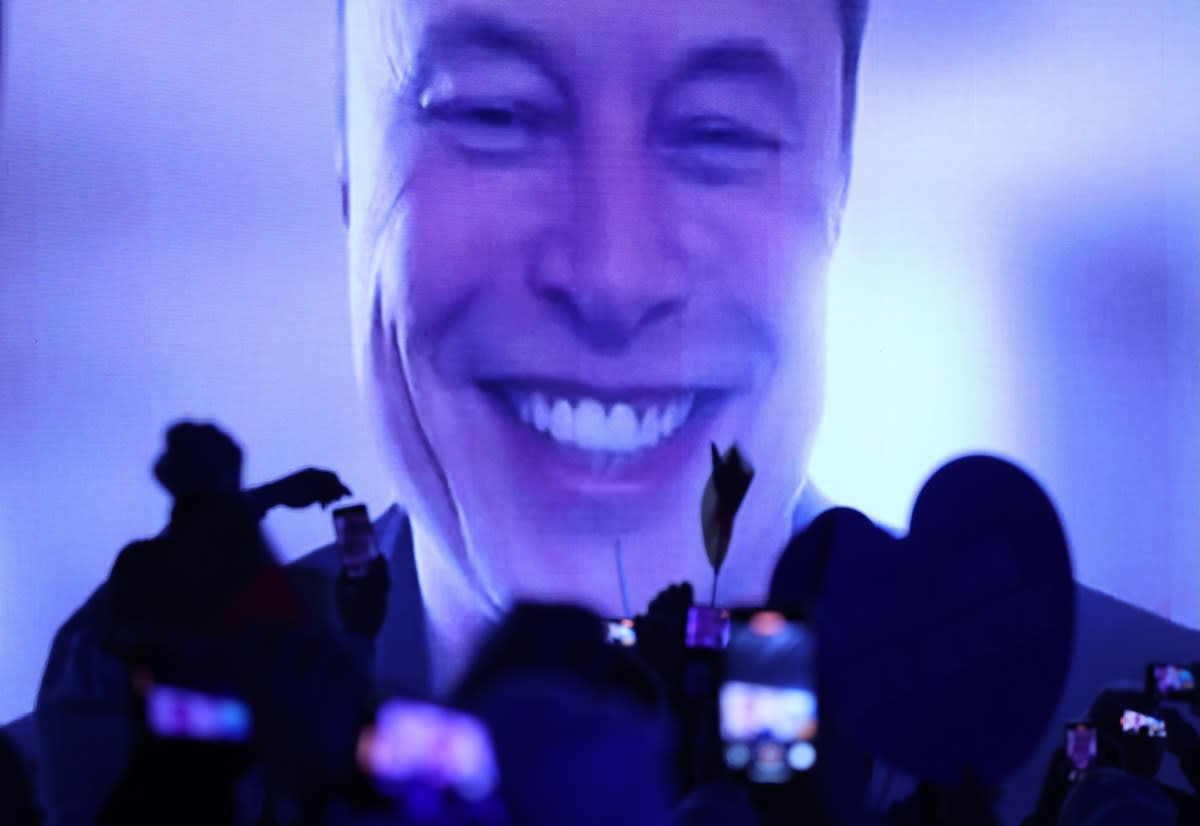
SpaceX's inaugural earnings call revealed a 92% revenue surge alongside a massive 550% spike in spending, resulting in a $2 billion net loss. Elon Musk's ambitious projections during the call contrasted with his executives' more grounded financial outlooks.
SpaceX's Financial Debut: Ambition Meets Market Reality
SpaceX, the aerospace giant under the leadership of Elon Musk, has officially entered the public markets, marking a significant milestone in its corporate history. Following its public listing in June, the company’s first-ever quarterly earnings report has provided investors with a raw look at the financial mechanics behind its ambitious space exploration and satellite telecom goals. While the company reported a robust 92% revenue growth to $7.8 billion, the financial narrative is complicated by a staggering 550% increase in expenditures, which reached $18.3 billion, leading to a $2 billion net loss for the first half of the year.
The Musk Dynamic: Visionary vs. Operational Realism
During the company’s inaugural earnings call, a distinct tension emerged between Elon Musk’s long-term, high-concept projections and the more pragmatic financial reporting delivered by CFO Bret Johnsen and President Gwynne Shotwell. Musk consistently inflated the scale of the company’s future prospects, often requiring his executive team to temper these claims for a public audience. This dynamic mirrors Musk’s tenure at Tesla, where he frequently focuses on speculative, futuristic advancements while his colleagues anchor the discussion in the immediate realities of manufacturing and sales volume.
Market Response and Investor Sentiment
Despite the massive growth in revenue, the market reaction to the report was swift and negative. SpaceX’s stock fell by nearly 9% in after-hours trading, effectively eroding the gains the company had made during the standard trading session. This volatility highlights the struggle SpaceX faces in maintaining the intense investor enthusiasm that characterized its public debut, where it briefly surpassed industry giants like Microsoft and Amazon in total market valuation.
Scaling Costs in the Aerospace Sector
The 550% surge in spending is a direct consequence of the company's aggressive expansion into capital-intensive sectors. SpaceX is not merely a rocket manufacturer; it is simultaneously funding the massive Starlink satellite constellation, managing the infrastructure of the X social media platform, and continuing the research and development necessary for interplanetary transit. This "compute-leasing" and satellite-based telecom strategy requires immense upfront capital, which currently outweighs the company's surging revenue streams.
Future Trends and Strategic Implications
Moving forward, the primary challenge for SpaceX will be balancing Musk’s "out-of-this-world" promises with the fiscal discipline required by public shareholders. As the company continues to mature in the public eye, it will likely face increasing pressure to demonstrate a path toward profitability. The reliance on high-expenditure projects like Starlink suggests that the company is currently in a phase of heavy investment, betting that these infrastructure projects will eventually provide a stable, long-term return that justifies the current volatility.
Conclusion
SpaceX’s first earnings call serves as a case study in the challenges of transitioning from a private, visionary-led startup to a publicly traded entity. While the revenue growth is undeniably impressive, the staggering losses and the divergence between Musk’s vision and his executives' operational reports create an uncertain outlook. Investors will be watching closely to see if the company can bridge the gap between its massive capital outflows and the realization of its long-term technological goals.