SpaceX's Starship Launched From Texas For 13th Test Flight
Source Entity
NDTV News Search Records Found 1000
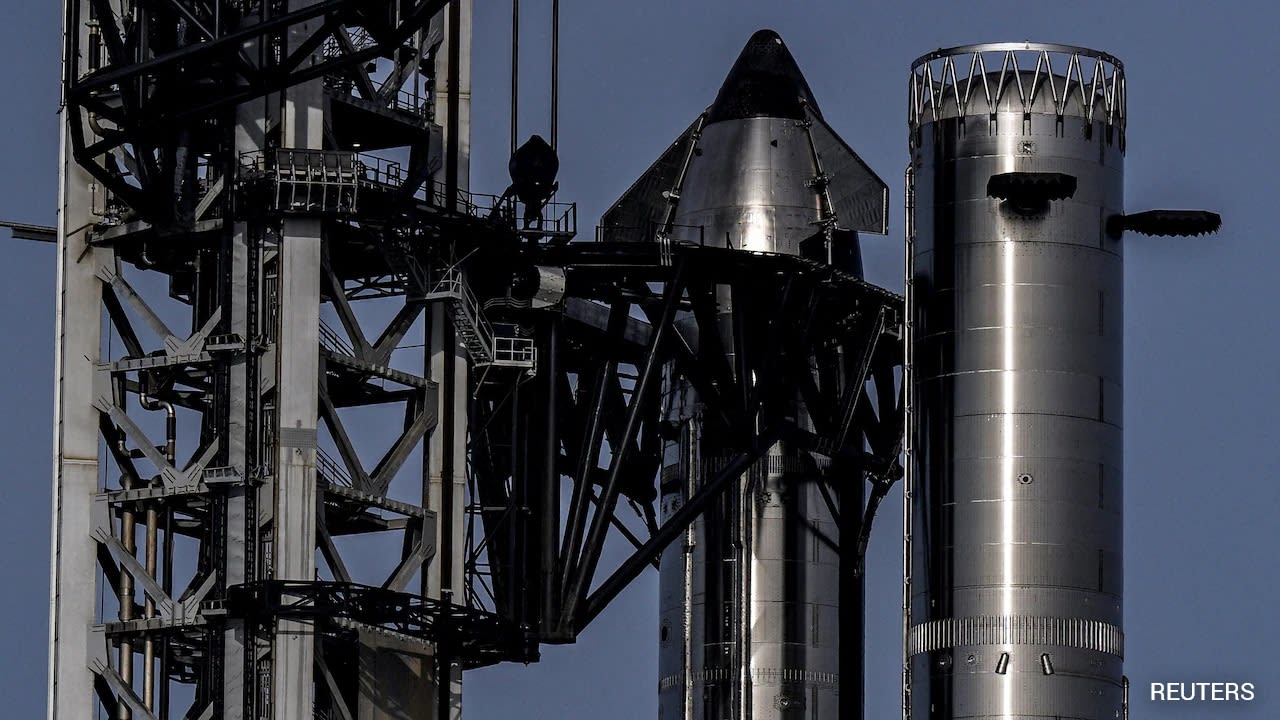
SpaceX successfully completed the 13th test flight of its Starship rocket from Starbase, Texas, deploying 20 next-generation Starlink satellites. The mission, utilizing an upgraded V3 vehicle, successfully demonstrated key re-entry and booster recovery procedures.
SpaceX Achieves Milestone with 13th Starship Test Flight
SpaceX has successfully executed the 13th test flight of its Starship rocket, launching from the Starbase facility in southern Texas. This mission represents a critical step in the evolution of the world's largest and most powerful launch vehicle, standing at an imposing 407 feet. By successfully deploying 20 next-generation Starlink satellites into orbit, SpaceX has transitioned Starship from a purely experimental platform into a functional workhorse capable of supporting its burgeoning internet constellation.
Overcoming Technical Hurdles
The road to this successful launch was not without its challenges. An earlier attempt was aborted last week due to a failure in the first-stage booster, where six engines failed to ignite on the pad. The rapid resolution of this issue—replacing the faulty engines and achieving a successful liftoff just days later—demonstrates the iterative engineering philosophy that defines SpaceX's operations. This ability to diagnose, swap hardware, and re-test under tight timelines is a hallmark of the company’s agile development cycle.
Advancements in the Starship V3 Architecture
This mission utilized the upgraded Starship V3, marking its second flight of the year. The V3 iteration incorporates refined systems designed to improve reliability and payload capacity. The successful completion of the mission, which included the booster splashing down in the Gulf of Mexico and the spacecraft performing its planned re-entry, validates the aerodynamic and thermal protection systems required for long-duration spaceflight. Each flight provides invaluable telemetry that refines the vehicle for future, more complex objectives.
Broader Implications for Space Exploration
The deployment of 20 next-generation Starlink satellites serves as a dual-purpose objective. While it enhances the global connectivity of the Starlink network, it also serves as a high-stakes stress test for the rocket's payload deployment capabilities. As Starship matures, its capacity to carry massive amounts of hardware into orbit will fundamentally change the economics of the space industry, making the deployment of large-scale infrastructure more feasible than ever before.
The Path to Moon and Mars
Ultimately, every Starship flight is a stepping stone toward SpaceX’s stated goals of lunar and Martian colonization. By proving the viability of the launch vehicle for orbital satellite delivery, the company is systematically checking off the mission requirements needed for deep-space transit. The success of this 13th flight serves as a strong indicator that the Starship program is nearing the operational maturity required to support the next generation of human exploration beyond Earth's orbit.
Multiple Citing Sources
Verification Required?