SpaceX launches new V3 Starlink satellites but suffers another booster failure
Source Entity
Sean O'Kane
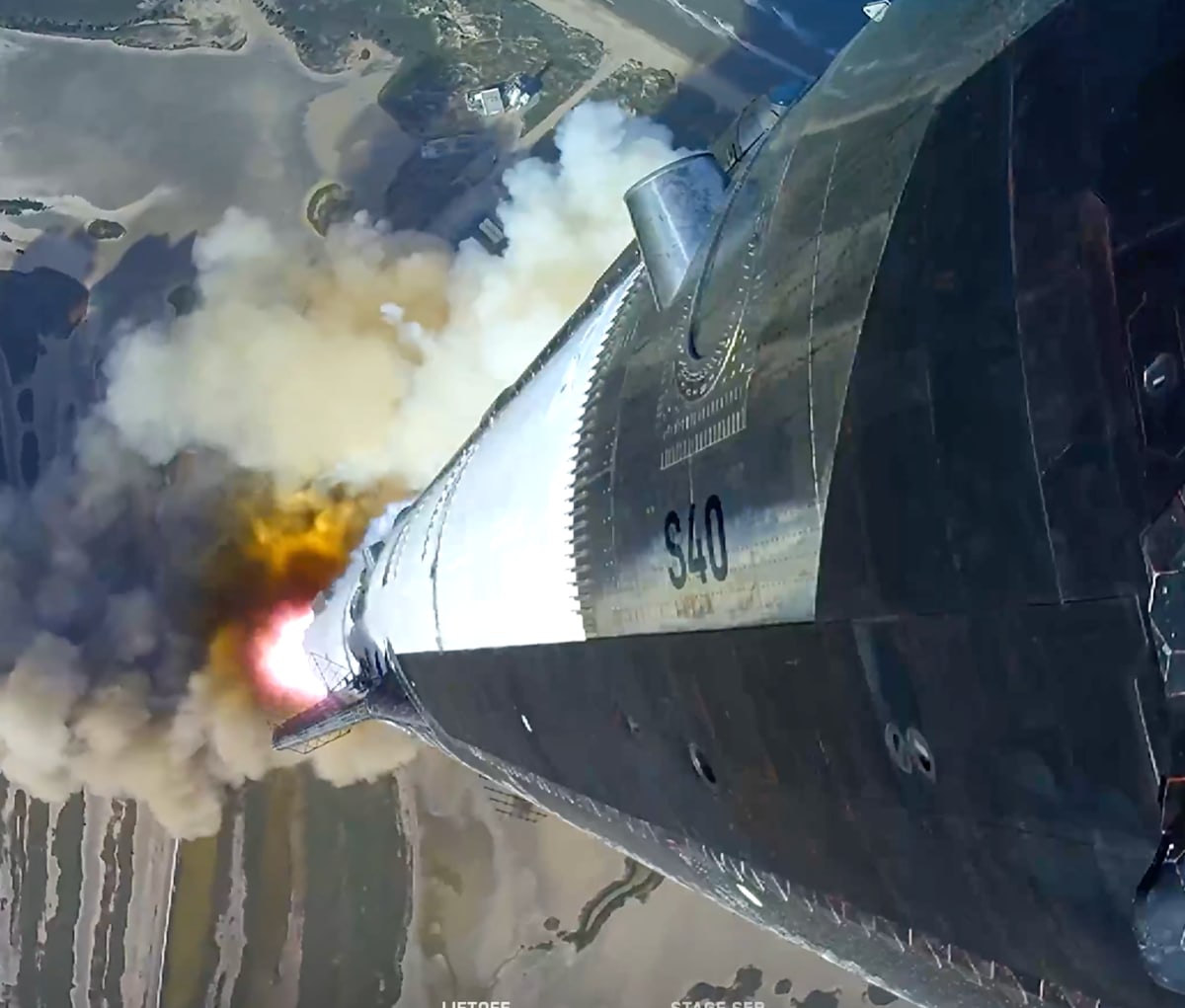
SpaceX successfully deployed its new V3 Starlink satellites during a recent Starship test flight. However, the mission was marred by a recurring failure involving the Super Heavy booster's engine re-ignition during a simulated landing.
SpaceX Starship V3: Progress and Persistent Challenges
SpaceX recently marked a significant milestone in its ambitious aerospace roadmap by successfully deploying the first batch of third-generation (V3) Starlink satellites. This achievement, conducted during the 13th test flight of the Starship mega-rocket, represents a critical step forward in expanding global internet connectivity. By utilizing the upgraded V3 prototype, SpaceX continues to iterate on its hardware, aiming to transition the Starship program from experimental test flights to a reliable, workhorse launch vehicle for its expanding satellite constellation.
The Super Heavy Booster Hurdles
Despite the successful satellite deployment, the mission highlighted ongoing technical difficulties regarding the Super Heavy booster. During a planned simulated landing in the Gulf of Mexico, the booster experienced a failure related to re-lighting its rocket engines. This follows a pattern of instability, as the company encountered a similar engine re-ignition issue during the initial V3 flight in May. Furthermore, these challenges are compounded by the recent history of the program, including a previous attempt that was aborted immediately after ignition due to multiple engine failures.
Analyzing the Iterative Development Cycle
SpaceX’s development philosophy relies heavily on rapid iteration, where failures are viewed as essential data points rather than catastrophic setbacks. By performing 13 test flights, the company has accumulated vast amounts of telemetry data that are unavailable to traditional aerospace competitors. However, the recurring nature of the Super Heavy booster issues suggests that the transition to the V3 architecture involves complex fluid dynamics and propulsion challenges that remain partially unresolved despite the company's aggressive testing cadence.
Broader Implications for Global Connectivity
The successful deployment of the V3 Starlink satellites has direct implications for the future of space-based internet. These upgraded satellites are designed to provide higher bandwidth and lower latency, which are essential for competing with terrestrial fiber-optic networks. The reliability of the Starship launch vehicle is the linchpin for this strategy; without a high-cadence, cost-effective launch system, the massive scale required for the full V3 constellation deployment becomes economically unsustainable.
Future Trends and Outlook
Looking ahead, the focus for SpaceX will remain on stabilizing the Super Heavy booster's descent and re-ignition sequence. The failure in the Gulf of Mexico serves as a reminder that even for an industry leader, the physics of vertical landing and engine restarts under extreme conditions remains one of the most difficult engineering feats in human history. Future test flights will likely prioritize landing precision and engine reliability, as the company seeks to move closer to full reusability for the entire Starship stack.
Conclusion
In summary, while the deployment of V3 Starlink satellites is a victory for SpaceX’s operational goals, the technical struggles of the Super Heavy booster provide a sobering look at the complexities of next-generation rocket development. The path to achieving consistent, safe, and fully reusable orbital launches is fraught with trial and error. As SpaceX continues its 13th-flight momentum, the aviation community will be watching closely to see if they can overcome these recurring propulsion failures and solidify the Starship as the standard for heavy-lift launch vehicles.