Sridhar Vembu shares why giving employees more freedom can feel ‘chaotic’
Source Entity
TOI TECH DESK
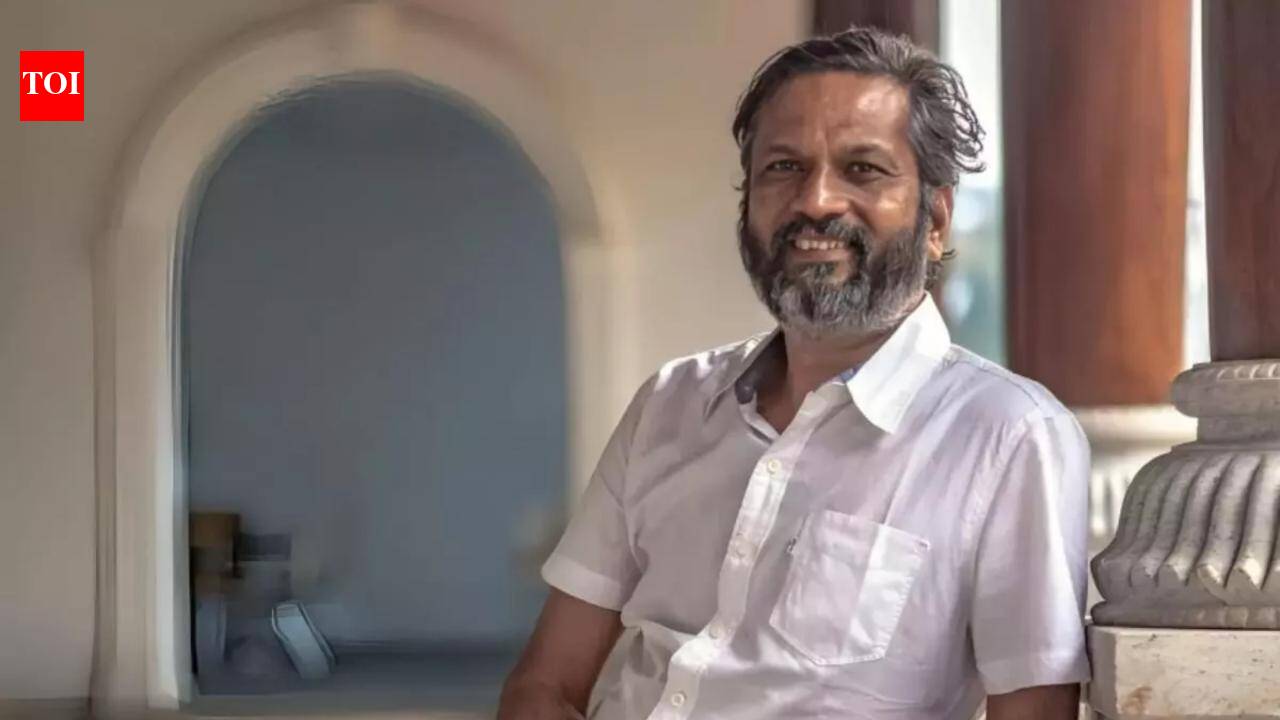
Zoho founder Sridhar Vembu explains that fostering employee initiative often leads to a chaotic but productive work environment. He highlights the trade-off between structured, passive obedience and an energetic, conflict-prone culture driven by proactive talent.
The Paradox of Autonomy: Sridhar Vembu on Workplace Culture
Zoho founder Sridhar Vembu has recently offered a candid look into the philosophical challenges of organizational management, specifically addressing the tension between structured hierarchy and employee autonomy. In a recent social media post, Vembu articulated a fundamental trade-off that many modern enterprises face: the choice between maintaining a predictable, instructions-based environment and fostering a culture defined by proactive, often messy, initiative.
The Cost of Certainty vs. The Value of Chaos
Vembu suggests that while a highly structured environment provides a sense of order and certainty, it often inadvertently breeds passive behavior. When employees are conditioned to wait for explicit instructions, the organization may operate smoothly in the short term, but it risks stagnating due to a lack of individual drive. Conversely, encouraging employees to take initiative—what Vembu identifies as a hallmark of 'smart programmers' who believe they can always improve processes—inevitably introduces friction. This friction, while perceived as 'chaotic,' is often the byproduct of high-engagement talent attempting to push the boundaries of current systems.
Navigating the 'Not Good Enough' Mentality
A critical insight from Vembu’s commentary is the psychological weight of an initiative-driven culture. He notes that when individuals are empowered to improve systems, there is a constant, 'gnawing feeling' that nothing is ever truly finished or optimized. This perpetual dissatisfaction can be a source of conflict, as employees frequently disagree on the best path forward. However, Vembu frames this not as a failure of management, but as a necessary trade-off for innovation.
Leadership in High-Engagement Environments
For leaders, the challenge lies in balancing this proactive energy with the need for organizational harmony. Vembu emphasizes that while the chaos of differing opinions can be taxing, the alternative—a workforce that lacks the confidence or agency to challenge the status quo—is far more detrimental to a company’s long-term health. Decisiveness, in this context, does not mean stifling initiative, but rather providing a framework where that energy can be channeled effectively without devolving into unproductive conflict.
Strategic Implications for Modern Business
The broader implications for modern business are clear: companies aiming for agility must learn to tolerate a degree of internal discord. In an era where technological shifts occur rapidly, the ability for employees to act independently is a competitive advantage. Vembu’s reflection suggests that the most successful organizations are those that embrace the 'chaotic' energy of their best people while managing the inevitable disagreements that arise from a high-performance, high-initiative culture. Ultimately, the goal is not to eliminate this chaos, but to harness the underlying drive that fuels it.