Datura sold as food: Karnataka suspends licences of Amazon, Instamart, BigBasket
Source Entity
Kiran Parashar
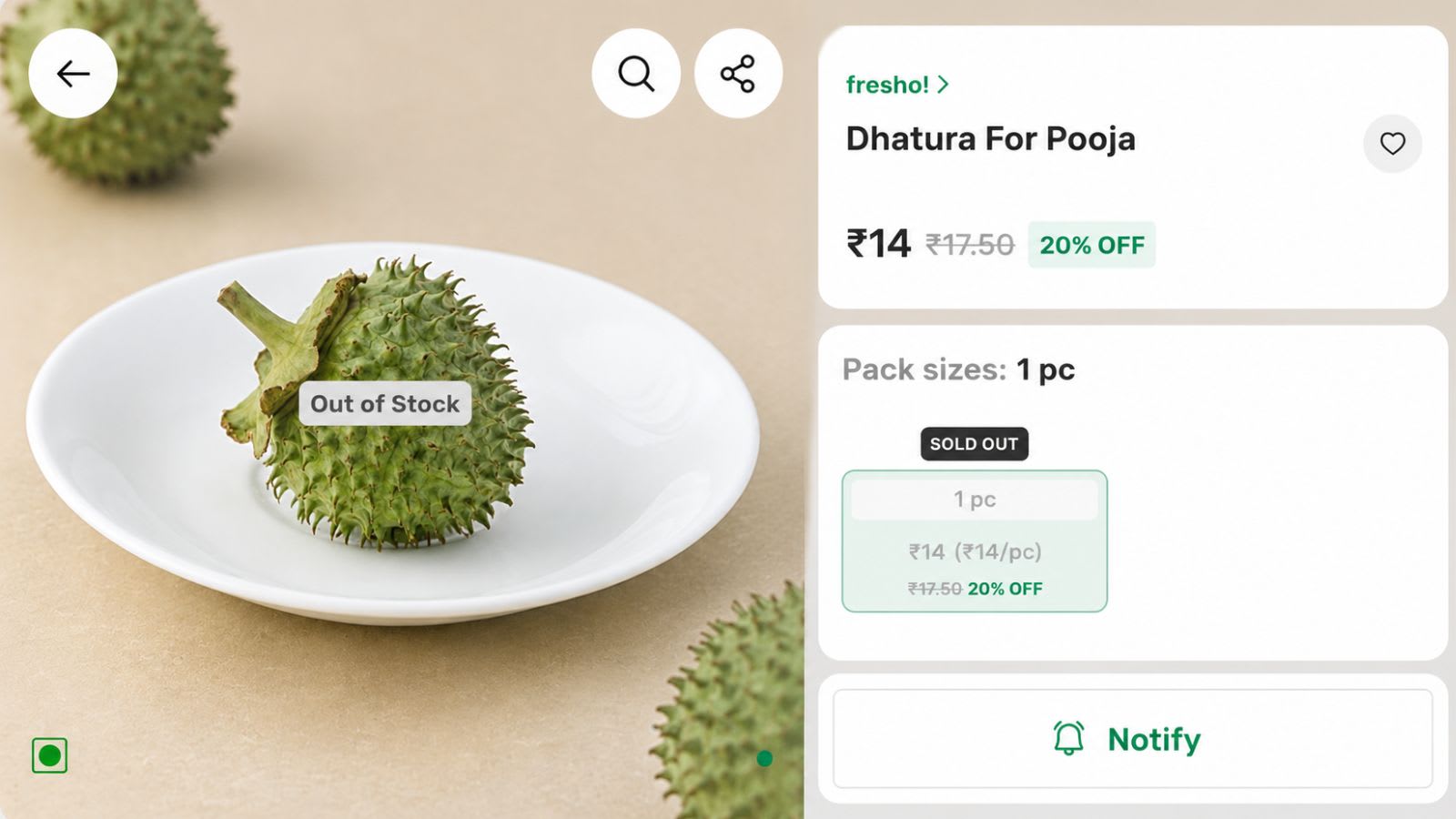
Karnataka authorities have suspended the food licenses of Amazon, Swiggy Instamart, and BigBasket for listing toxic Datura products for human consumption. The state regulator has mandated the immediate removal of these listings, citing severe risks under the Food Safety and Standards Act.
Regulatory Crackdown on Quick Commerce
The Karnataka Food Safety and Drugs Administration (KFSDA) has taken decisive action against major e-commerce and quick-commerce giants, including Amazon, Swiggy Instamart, and BigBasket, by suspending their food licenses. This regulatory intervention follows the discovery that these platforms were facilitating the sale of Datura (thornapple) fruits and seeds, marketing them as items for human consumption. Given the toxic nature of the plant, this discovery has triggered an immediate enforcement response aimed at protecting public health.
The Dangers of Datura
Datura is a highly toxic plant known for its potent alkaloids, including scopolamine, hyoscyamine, and atropine. Consumption of any part of this plant, particularly the seeds, can lead to severe poisoning, characterized by symptoms like delirium, hallucinations, tachycardia, and in extreme cases, respiratory failure or death. By listing these items on platforms intended for grocery and food distribution, the retailers inadvertently normalized a hazardous substance as a consumable product, creating a significant public safety liability.
Failures in Compliance and Oversight
One of the most alarming aspects of this investigation is the finding that some of these toxic listings carried FSSAI (Food Safety and Standards Authority of India) registration numbers. This suggests a systemic failure in the internal vetting processes of these massive retail platforms. The presence of valid-looking regulatory markers on inherently dangerous products implies that the algorithms or manual verification teams responsible for vendor onboarding failed to distinguish between safe food products and hazardous botanical materials.
Legal Implications Under the FSSAI Act
The KFSDA has explicitly invoked the Food Safety and Standards Act, 2006, to justify these suspensions. Under this legislation, the sale, distribution, or collection of toxic materials as food is strictly prohibited. Commissioner Srinivas K has directed these companies to submit formal compliance reports, signaling that the suspension will remain in effect until the platforms can prove that they have purged their inventories of such items and implemented robust safety checks to prevent future occurrences.
Future Trends in Digital Retail Oversight
This incident highlights a broader trend: as quick commerce and e-commerce platforms expand their reach into essential goods, the burden of regulatory compliance is shifting. Governments are increasingly moving away from a laissez-faire approach to digital retail, demanding that platforms take direct responsibility for the safety of products sold by third-party vendors. Moving forward, we can expect stricter audits of inventory management systems and mandatory safety training for platform content moderators to ensure that hazardous substances do not reach the consumer market.
Conclusion
The suspension of licenses for Amazon, Swiggy Instamart, and BigBasket serves as a critical warning for the retail tech industry. It underscores the necessity of rigorous product safety protocols and the legal risks associated with automated marketplace listings. As the platforms work to regain their operational status in Karnataka, they must overhaul their compliance mechanisms to ensure that the convenience of rapid delivery is never prioritized over the safety of the public.
Multiple Citing Sources