India must own its trade, add 100 ships to merchant fleet: Shipping Minister Sarbananda Sonowal
Source Entity
India Latest News: Top National Headlines Today & Breaking News | The Hindu
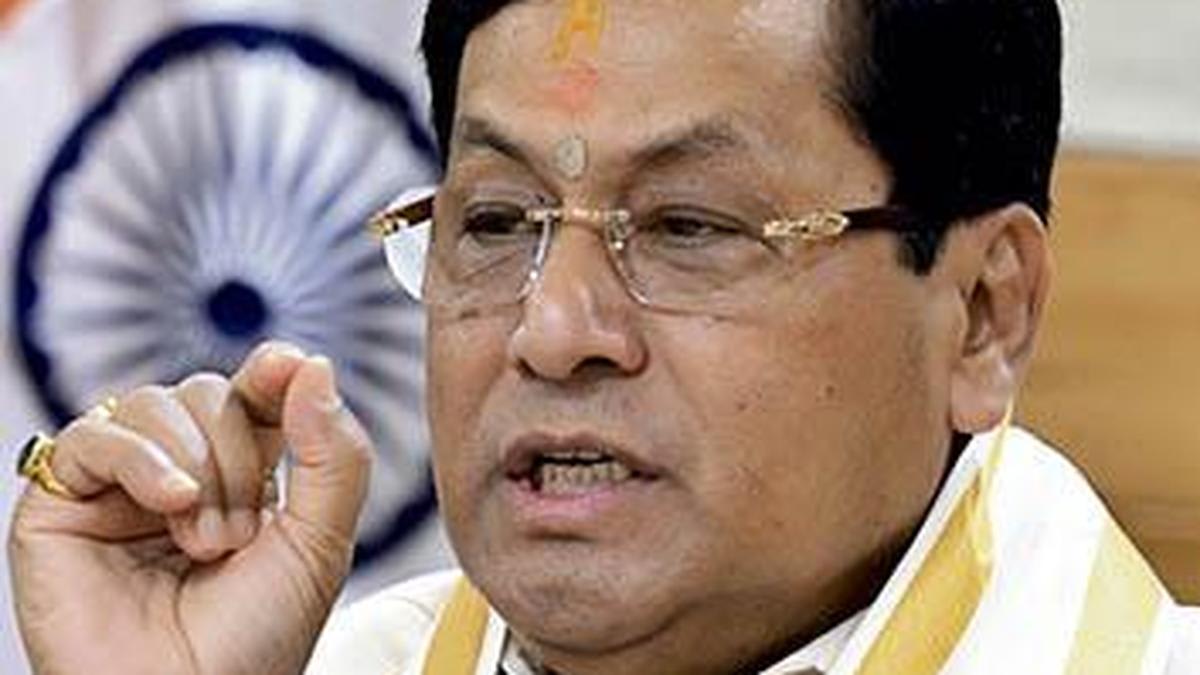
Shipping Minister Sarbananda Sonowal has unveiled a strategic roadmap to add 100 vessels to India's merchant fleet. This initiative aims to reduce the ₹75 billion annual outflow to foreign shipping lines and bolster maritime self-reliance.
Strengthening India's Maritime Sovereignty
The Indian government has initiated a critical strategic shift in its maritime policy, with Union Minister for Ports, Shipping, and Waterways Sarbananda Sonowal advocating for the expansion of the national merchant fleet. The National Shipping Board (NSB) has proposed an ambitious five-year roadmap to add 100 vessels, a move aimed at reclaiming control over the nation's logistics supply chain. Currently, India faces a significant economic burden, paying approximately ₹75 billion annually to foreign shipping lines to transport critical cargo, an expenditure that underscores the nation's reliance on external maritime infrastructure.
The Economic Imperative
At the core of this initiative is the urgent need to address the trade deficit and capital flight associated with maritime logistics. By shifting the transport of essential goods to Indian-flagged vessels, the government intends to retain a portion of this ₹75 billion within the domestic economy. However, the path to expansion is fraught with structural challenges. Currently, operating under an Indian flag is estimated to be 16% to 20% more expensive than international alternatives, necessitating a robust policy framework to bridge this cost gap and make domestic shipping a viable commercial enterprise.
A Five-Point Strategic Roadmap
The roadmap presented at the inaugural 'Sagar Samvad' event focuses on five pillars: fiscal reforms, assured cargo support, access to competitive financing, regulatory streamlining, and improved ease of doing business. These measures are designed to tackle the systemic inefficiencies that have historically hampered the growth of the Indian merchant fleet. By providing tax incentives and lowering the cost of capital, the government hopes to create a level playing field for domestic shipowners who are currently struggling to compete with global players.
Aligning with Long-Term Vision
This initiative is deeply integrated into the broader 'Maritime India Vision 2030' and the 'Maritime Amrit Kaal Vision 2047.' These policy frameworks are designed to transform India into a global maritime powerhouse. By focusing on indigenous capacity, the government is not merely addressing current logistical vulnerabilities but is also positioning India to handle the projected increase in trade volume over the next two decades. This forward-looking strategy is essential for a nation that aims to become a top-tier global economy.
Future Implications and Challenges
As India moves toward the 2047 horizon, the success of this fleet expansion will depend on the government's ability to execute these reforms effectively. Reducing the operational cost disparity will be the most significant hurdle. If the government can successfully streamline regulations and provide the necessary financial backing, it could trigger a renaissance in Indian shipbuilding and maritime commerce. This would not only secure critical supply chains but also generate significant employment and infrastructure development within the ports and logistics sector.
Conclusion
In summary, the proposal to add 100 ships to the merchant fleet represents a pivotal moment for India's maritime industry. By addressing the heavy reliance on foreign carriers, the government is taking decisive steps toward self-reliance. While the cost differential remains a formidable challenge, the multi-pronged approach outlined by the NSB suggests a comprehensive understanding of the obstacles, setting a clear trajectory for India to enhance its maritime footprint on the global stage.
Verification Required?