TCS To Acquire Porsche's IT Consulting Arm MHP For 320 Million Euros
Source Entity
NDTV News Search Records Found 1000
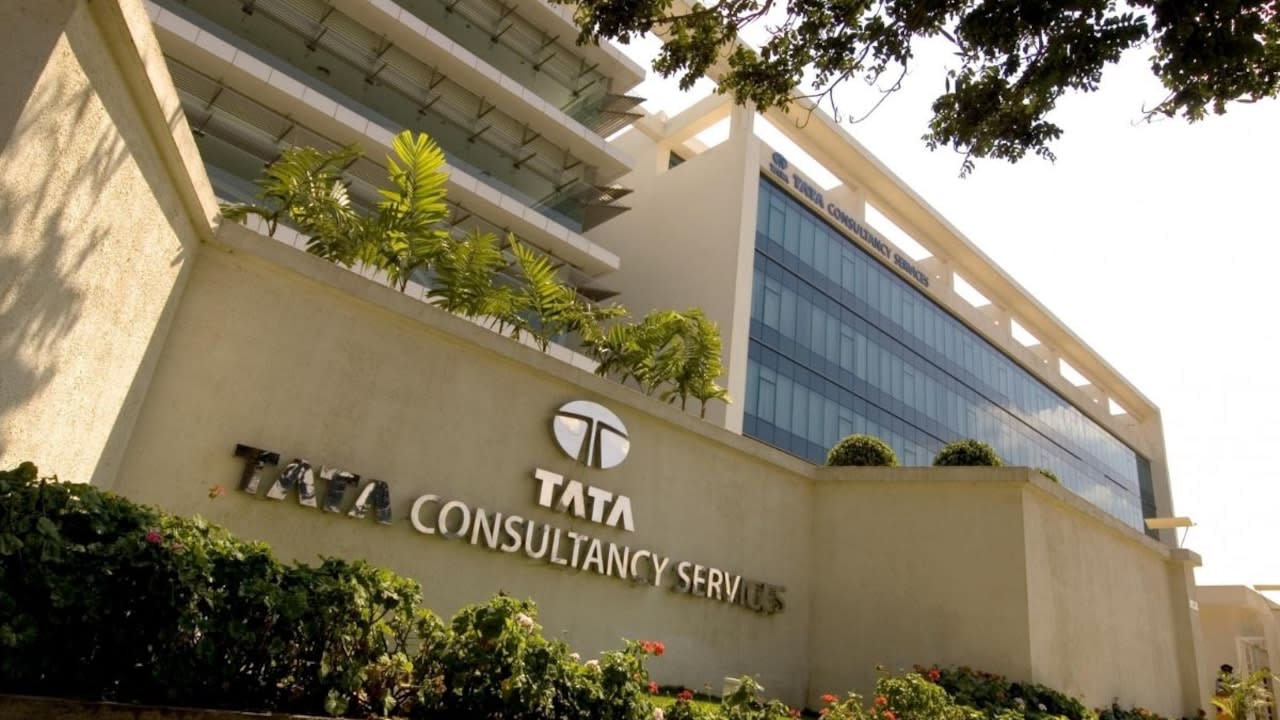
TCS has secured a $1.5 billion, five-year AI deployment contract with Porsche, which includes the 320 million euro acquisition of Porsche's IT consulting arm, MHP. This strategic move signals a shift for Indian IT firms attempting to counter negative market sentiment regarding their AI readiness.
TCS and Porsche: A Strategic Pivot in the Global AI Landscape
Challenging the 'Reverse AI Trade' Narrative
For much of the recent market cycle, global brokerages have maintained a skeptical stance toward the Indian information technology sector. Analysts at firms like Jefferies have labeled Indian IT stocks as a "reverse AI trade," suggesting these companies were ill-prepared for the rapid shift toward artificial intelligence. This skepticism created a narrative where Indian firms were seen as laggards in the global tech rally. However, the recent partnership between Tata Consultancy Services (TCS) and Porsche serves as a direct challenge to this pessimism, demonstrating that Indian IT giants are capable of securing high-value, deep-tech contracts that integrate AI into core industrial operations.
The Mechanics of the $1.5 Billion Deal
At the heart of this development is a five-year, $1.46 billion (1.25 billion euro) contract aimed at scaling artificial intelligence deployment within Porsche’s operations. This is not merely a service-level agreement but a fundamental integration of digital capabilities into automotive manufacturing and mobility solutions. By securing this deal, TCS is moving beyond traditional IT outsourcing and positioning itself as a critical partner in the automotive industry’s digital transformation. The scale of this contract underscores the growing demand for specialized AI implementation services in the European market.
Strategic Expansion Through Acquisition
Beyond the primary contract, the deal includes the acquisition of MHP, Porsche’s IT consulting subsidiary, for 320 million euros. This acquisition is a masterstroke in inorganic growth, allowing TCS to absorb Porsche’s internal automotive expertise while simultaneously expanding its footprint in Germany. By acquiring a captive unit, TCS gains immediate access to specialized domain knowledge, which is often the most significant barrier to entry in the complex automotive software landscape. This move bridges the gap between raw AI development and practical, industry-specific application.
Redefining Automotive Mobility
Michael Leiters, chairman of Porsche, highlighted that the partnership is designed to combine Porsche's automotive excellence with TCS's digital and AI capabilities. In an era where mobility is increasingly defined by software and data, this collaboration is essential for maintaining competitiveness. By embedding AI into its ecosystem, Porsche is looking to enhance innovation and operational efficiency. For TCS, this provides a flagship case study that proves its ability to deliver high-stakes, data-driven solutions for global manufacturing leaders.
Implications for the Indian IT Sector
This deal signals a tactical shift for the broader Indian IT sector. As the global AI trend continues to sweep through markets, Indian firms are moving away from passive observation toward aggressive participation. By leveraging foreign partnerships and strategic acquisitions, companies like TCS are actively dismantling the "reverse AI trade" narrative. This proactive approach suggests that the Indian IT industry is not just reacting to the AI boom but is finding ways to monetize it by positioning itself as the backbone of global industrial digital transformation.
Future Trends and Market Outlook
Looking ahead, we can expect Indian IT firms to pursue similar high-value, specialized partnerships to prove their AI readiness. The success of the TCS-Porsche model suggests that the future of IT services lies in the convergence of domain-specific industrial knowledge and scalable AI infrastructure. As the global economy pivots toward software-defined products, firms that can successfully integrate these two worlds will likely command higher valuations and escape the skepticism that has plagued the sector in recent quarters.
Verification Required?