SRPF personnel shifted from dilapidated BMC school after video goes viral
Source Entity
Latest News: Todays Latest News Headlines from India & World | Hindustan Times | Hindustan Times
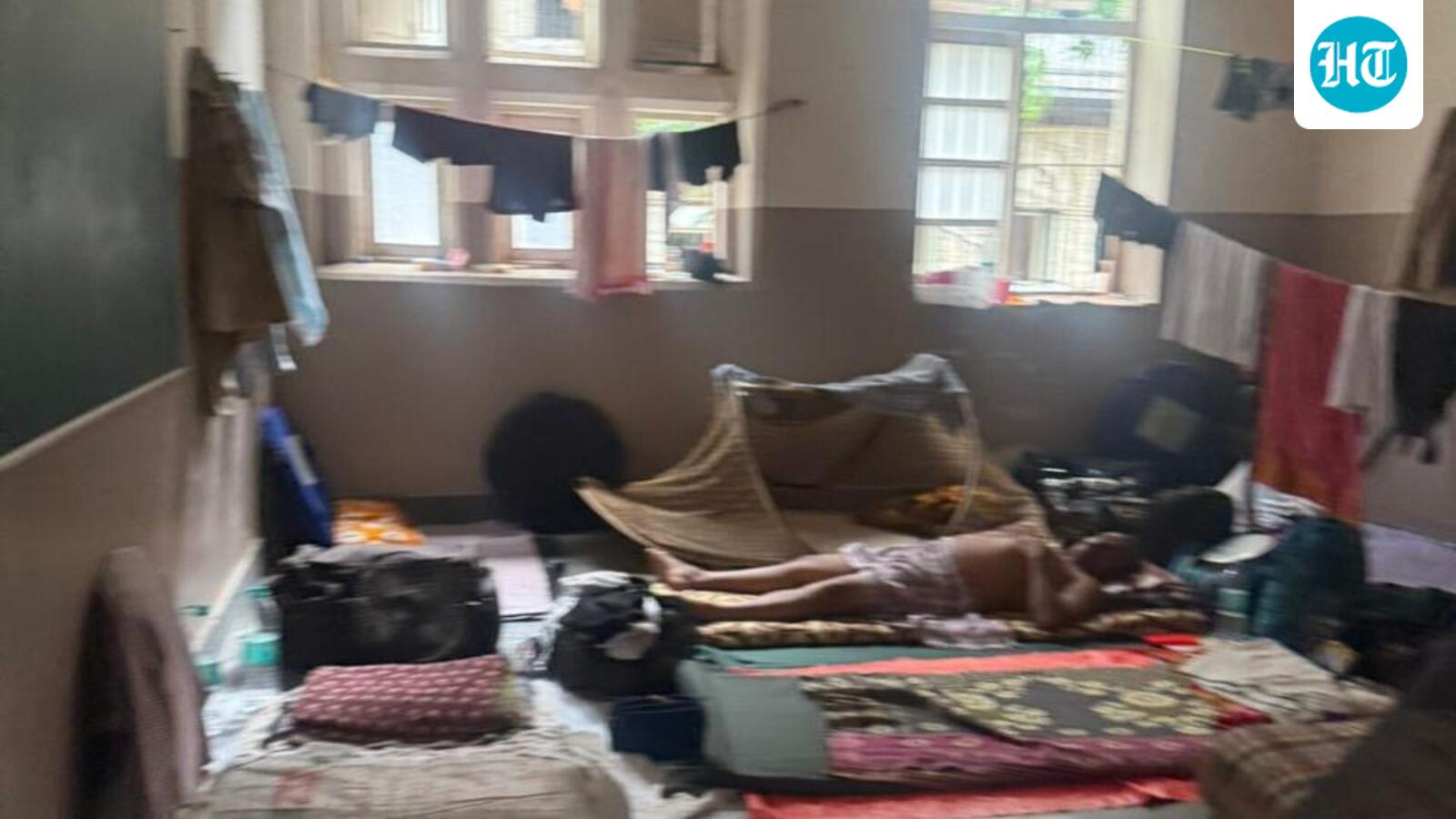
Over 20 SRPF personnel stationed in a dilapidated BMC school in South Mumbai were relocated following a viral social media video. The intervention highlights the conflict between infrastructure maintenance and security logistics in urban spaces.
The Intersection of Public Safety and Infrastructure Decay
The recent relocation of over 20 State Reserve Police Force (SRPF) personnel from a deteriorating Brihanmumbai Municipal Corporation (BMC) school in the Gulalwadi area of South Mumbai highlights a significant friction point between urban administrative logistics and the urgent need for structural maintenance. The presence of security personnel within an active learning environment, specifically within a building already flagged for its dilapidated state, raises critical questions regarding the prioritization of public resources and the safety of both the students and the officers.
The Role of Digital Transparency
This incident serves as a potent example of how digital transparency and social media advocacy can trigger immediate administrative accountability. The issue was brought to the public's attention by Chaitali Doshi, a volunteer with the 'School Thik Karo' campaign. By capturing and sharing the reality of the school's environment, the campaign effectively bypassed traditional bureaucratic delays, forcing the civic body to acknowledge the incompatibility of police housing with active educational operations.
The Conflict of Space
At the heart of this event is the struggle for space in one of the world's most densely populated cities. With only 47 students actively attending classes, the school represents a vital public service, yet the structural integrity of the facility has clearly been compromised. The use of classrooms as temporary barracks for the SRPF suggests a desperate shortage of suitable housing for security forces, but utilizing a crumbling educational facility creates a precarious situation that endangers the very people the state aims to protect and educate.
Administrative Accountability and Infrastructure
The request by the BMC for the police to vacate the premises serves as a belated admission that the building was not fit for dual-purpose use. While the SRPF requires strategic positioning in sensitive urban zones, the reliance on municipal assets that are already in a state of disrepair points to a larger systemic failure in long-term infrastructure planning. The 'School Thik Karo' campaign’s intervention emphasizes the necessity of maintaining civic assets to a standard that supports, rather than hinders, the delivery of essential services.
Future Trends in Urban Governance
As Mumbai continues to grapple with aging infrastructure, the trend of using social media as a tool for administrative oversight is likely to grow. Future governance will depend on how effectively the BMC balances the immediate needs of security personnel with the long-term mandate of providing safe, functional educational facilities for students. This incident marks a pivot point where citizens are increasingly demanding that public buildings be utilized exclusively for their intended purposes, ensuring that safety and education remain the primary focus of municipal management.
Concluding Perspectives
Ultimately, the relocation of the SRPF personnel is a necessary corrective measure that addresses the immediate optics and safety concerns raised by the viral video. However, the underlying issue—the decay of civic infrastructure in South Mumbai—remains. Moving forward, the city must implement more robust strategies for managing security deployments without compromising the integrity of public schools, ensuring that the rights of students to a safe learning environment are never subordinated to logistical convenience.
Verification Required?