SS United States to be sunk as largest artificial reef
Source Entity
Hacker News
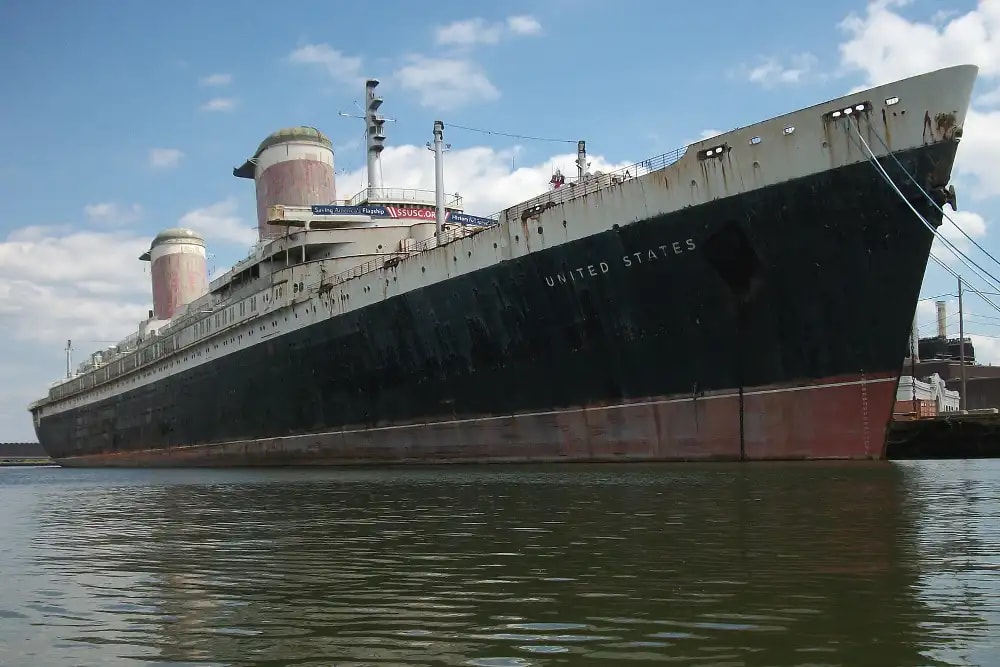
The historic SS United States ocean liner is set to be sunk to create the world's largest artificial reef. This project aims to preserve the vessel's legacy while promoting marine biodiversity off the coast of Florida.
The Final Voyage: SS United States as an Artificial Reef
A Historic Transition
The SS United States, once the fastest ocean liner in the world and a symbol of mid-20th-century maritime engineering, is embarking on its final, unconventional mission. After years of uncertainty regarding its future, officials have confirmed that the iconic vessel will be repurposed as an artificial reef. This decision marks the end of a long struggle to preserve the ship as a floating museum and shifts its role toward environmental stewardship and marine conservation.
Engineering the Deep Sea Habitat
Transforming an ocean liner of this magnitude into an artificial reef is a complex maritime operation. The ship must undergo extensive environmental remediation to ensure that all hazardous materials, such as asbestos and oils, are removed to protect the surrounding marine ecosystem. Once prepared, the vessel will be strategically sunk to provide a massive, complex structure that will encourage coral growth and provide a sanctuary for diverse fish species, effectively turning a relic of industrial history into a thriving biological hub.
Ecological and Economic Impact
Artificial reefs are vital tools in marine management, as they provide essential habitats in areas of the ocean floor that may otherwise be barren. By sinking the SS United States, local authorities expect a significant boost to marine biodiversity. Furthermore, this project is anticipated to become a premier destination for divers and researchers, driving local economic growth through marine tourism and scientific study of how large-scale structures influence local aquatic populations.
Preservation Through Transformation
While some maritime enthusiasts may mourn the loss of the vessel as a static historical artifact, proponents argue that sinking the ship is the most dignified and practical way to preserve its physical presence. Rather than facing the scrap yard, the ship will remain intact under the waves. This approach honors the vessel’s legacy by allowing it to continue serving a purpose, albeit one far removed from its original role of transatlantic passenger transit.
Future Trends in Maritime Repurposing
The fate of the SS United States reflects a growing trend in how we manage decommissioned mega-structures. As global maritime regulations become stricter regarding waste and environmental impact, repurposing large vessels as artificial reefs offers a sustainable model for waste management. This project will likely serve as a case study for future maritime disposal initiatives, demonstrating how historical assets can be integrated into modern environmental conservation strategies.
Conclusion
The sinking of the SS United States represents a synthesis of history, engineering, and ecological necessity. By anchoring this massive structure to the ocean floor, we are not losing a piece of history; we are cementing it into the seabed as a permanent foundation for new life. This final chapter ensures that the legacy of the 'Big U' will endure for generations, not merely as a memory, but as a living monument beneath the waves.