Stagflation talk returns to rattle markets as oil rebounds to $100
Source Entity
Yahoo Finance
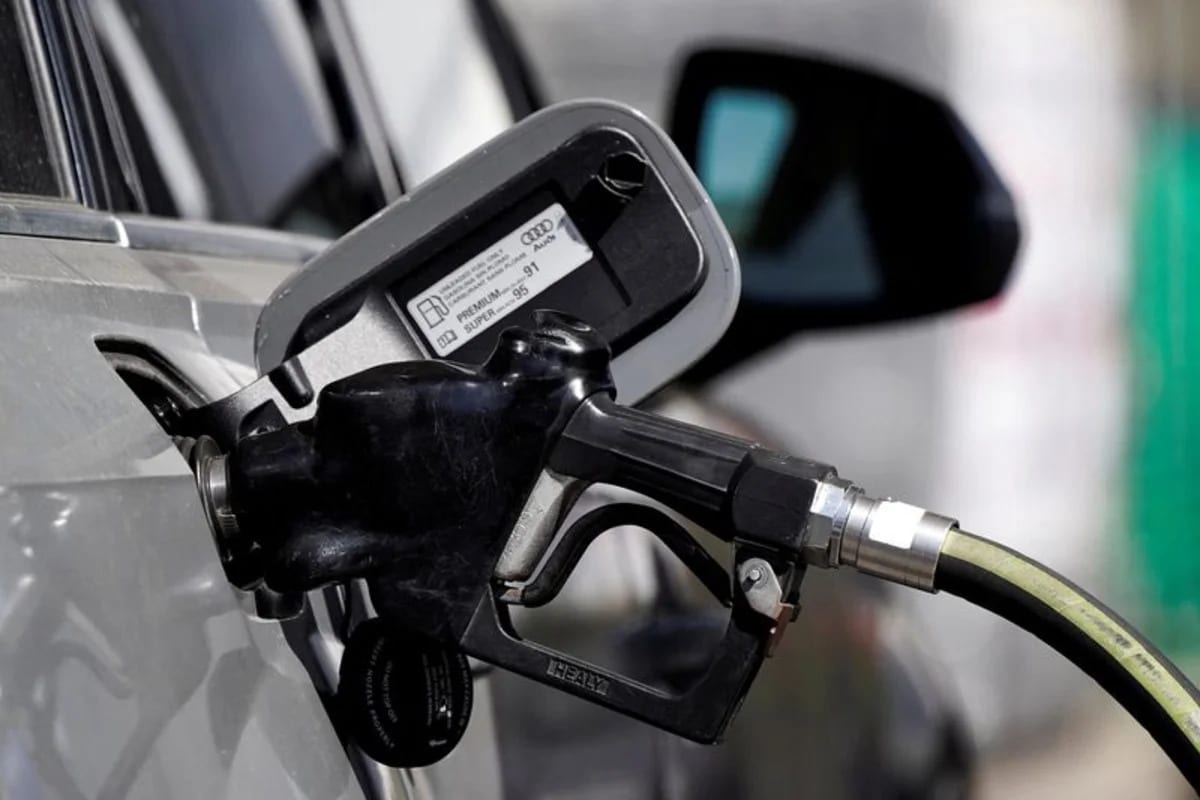
Rising oil prices and geopolitical instability in the Gulf have triggered renewed fears of stagflation. New U.S. tariffs and increased energy costs are further pressuring the global economy, complicating recovery efforts.
The Return of Stagflationary Fears
The global economic landscape has been abruptly unsettled by a resurgence in geopolitical tensions in the Gulf, effectively halting the optimistic narrative that the world economy was on a clear path to recovery. As oil prices return to the critical $100 per barrel threshold, the specter of stagflation—a toxic combination of stagnant economic growth and persistently high inflation—has returned to the forefront of financial discourse. This development threatens to dismantle the fragile stability that many analysts hoped would follow recent interim diplomatic efforts between the United States and Iran.
Energy Volatility and Economic Pressure
The impact of these geopolitical hostilities is not limited to crude oil. European natural gas prices are currently experiencing their most significant monthly surge since March, putting immense pressure on industrial productivity and household purchasing power. As energy costs represent a foundational input for the global supply chain, these spikes act as a tax on economic output. The resulting 'inflation angst' has forced government borrowing costs to reach multi-year highs, as central banks face the difficult task of managing price stability without stifling what little economic growth remains.
The Impact of New Trade Frictions
Beyond energy markets, the global trade environment has become increasingly protectionist. The recent U.S. decision to impose new tariffs ranging from 10% to 12.5% on goods from 60 trading partners, including major economic powerhouses like the European Union and China, adds another layer of complexity to the inflation puzzle. By raising the cost of imported goods, these tariffs threaten to exacerbate consumer price inflation at a time when purchasing power is already being eroded by high energy bills and rising interest rates.
Broader Macroeconomic Implications
Historically, stagflation represents one of the most challenging environments for policymakers. Traditional monetary tools, such as interest rate hikes, are designed to cool demand-pull inflation but often do so at the expense of economic activity. When growth is already stagnant, these measures risk tipping economies into recession. Investors and businesses are currently caught in a cycle of uncertainty where the cost of capital is rising, input costs are unpredictable, and the regulatory environment regarding trade is becoming increasingly fragmented.
Future Trends and Outlook
Looking ahead, the trajectory of the global economy will likely depend on two critical factors: the duration of the Gulf hostilities and the potential for trade de-escalation. If energy prices remain elevated at the $100 level, the burden on the manufacturing sector will likely lead to reduced output and lower corporate earnings. Furthermore, if the new tariff regime persists, we may see a significant restructuring of global supply chains as companies seek to mitigate the impact of increased trade barriers. The coming months will be a test of resilience for the global financial system as it navigates this confluence of energy shocks and protectionist policy.