From Student Protest to Policy Action: What comes next for Indian education?
Source Entity
Latest News: Todays Latest News Headlines from India & World | Hindustan Times | Hindustan Times
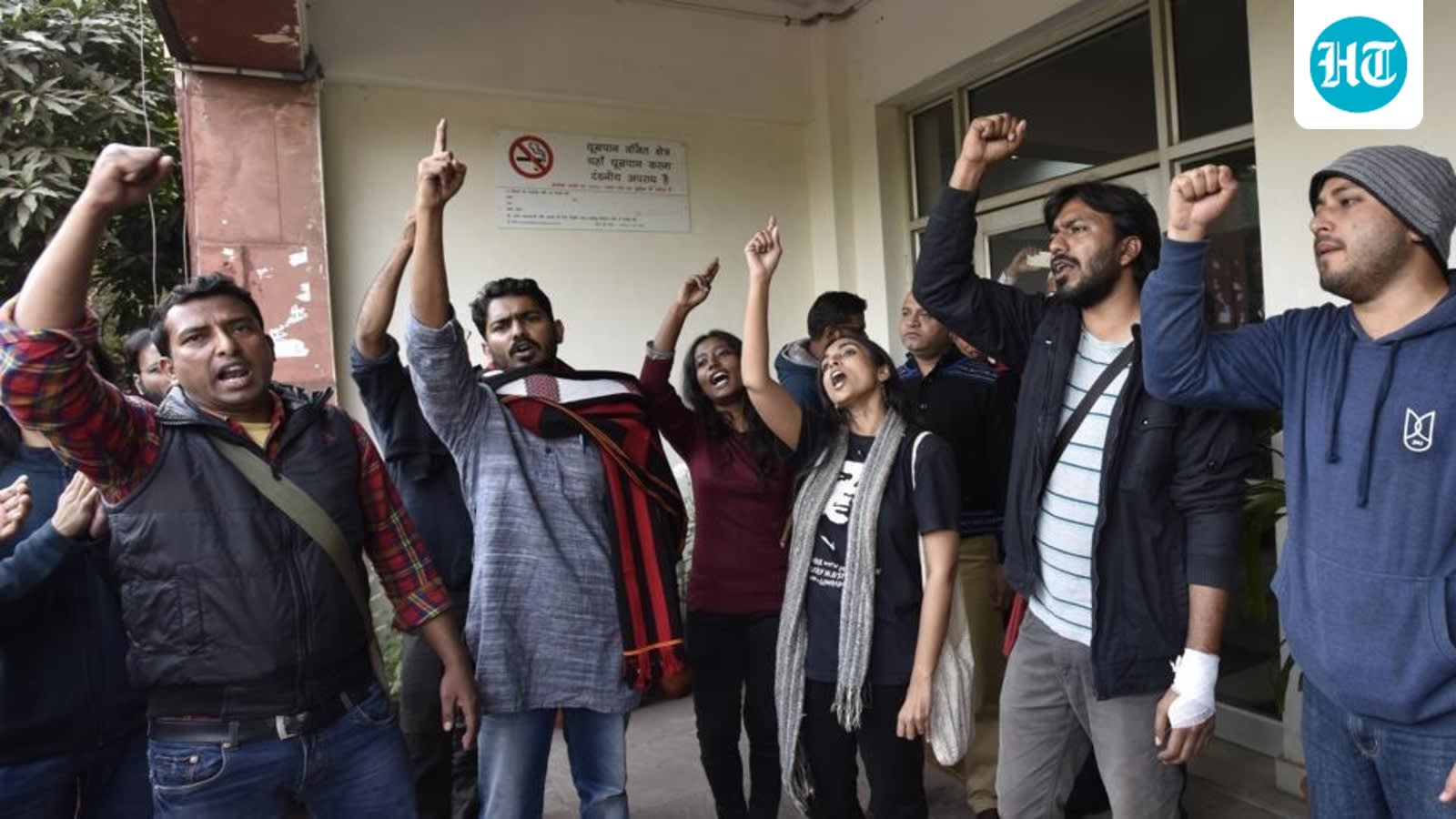
Recent student protests in India have highlighted critical systemic issues like examination integrity and infrastructure. The focus is now shifting from policy formation to the practical implementation of reforms to improve administrative efficiency.
The Evolution of Student Activism in India
Student protests in India have long served as a vital barometer for the health of the nation's academic institutions. By voicing concerns over examination malpractices, admission rigidities, and inadequate infrastructure, these movements act as a catalyst for institutional self-reflection. These protests are not merely disruptions but are essential expressions of the aspirations of millions, forcing policymakers to confront the gaps between theoretical frameworks and the daily realities faced by the student population.
Moving from Policy to Implementation
While recent years have seen a positive shift toward reforms aimed at increasing accountability and transparency, a significant disconnect remains. The challenge is no longer just the creation of progressive policies but the rigorous execution of them. As the discourse evolves, it is becoming increasingly clear that the success of any educational reform depends entirely on the efficacy of its on-ground implementation. Without a robust mechanism to translate policy into practice, even the most innovative initiatives risk becoming stagnant declarations.
Streamlining Administrative Procedures
Central to the future of Indian education is the urgent need to streamline academic and administrative procedures. Currently, the reliance on manual, human-heavy processes creates bottlenecks that hinder efficiency and invite error. By integrating digital solutions and reducing unnecessary human intervention, universities can ensure a more seamless experience for students, from the point of admission to the final examination results. This shift towards automation is a necessary step in modernizing the academic landscape.
Prioritizing the Student-Centric Model
True reform requires a fundamental pivot: moving the focus away from bureaucratic policy-making and toward a student-centric model. Education systems must be designed around the specific needs of the learner rather than the administrative convenience of the institution. This involves creating systems that are not only transparent but also responsive to the feedback provided by the student body during protests and other consultative processes.
Future Trends and Institutional Accountability
Looking ahead, the longevity of these educational improvements will be determined by how well institutions foster a culture of accountability. If universities and colleges can successfully minimize systemic inefficiencies, they will be better positioned to provide equitable access to quality education. The ongoing dialogue between student activists and administrative bodies suggests that the future of Indian education will likely be defined by a more collaborative and technology-driven approach to governance and service delivery.
Verification Required?