'In view of possible violence': Sonam Wangchuk ends hunger strike after 26 days
Source Entity
TOI NEWS DESK
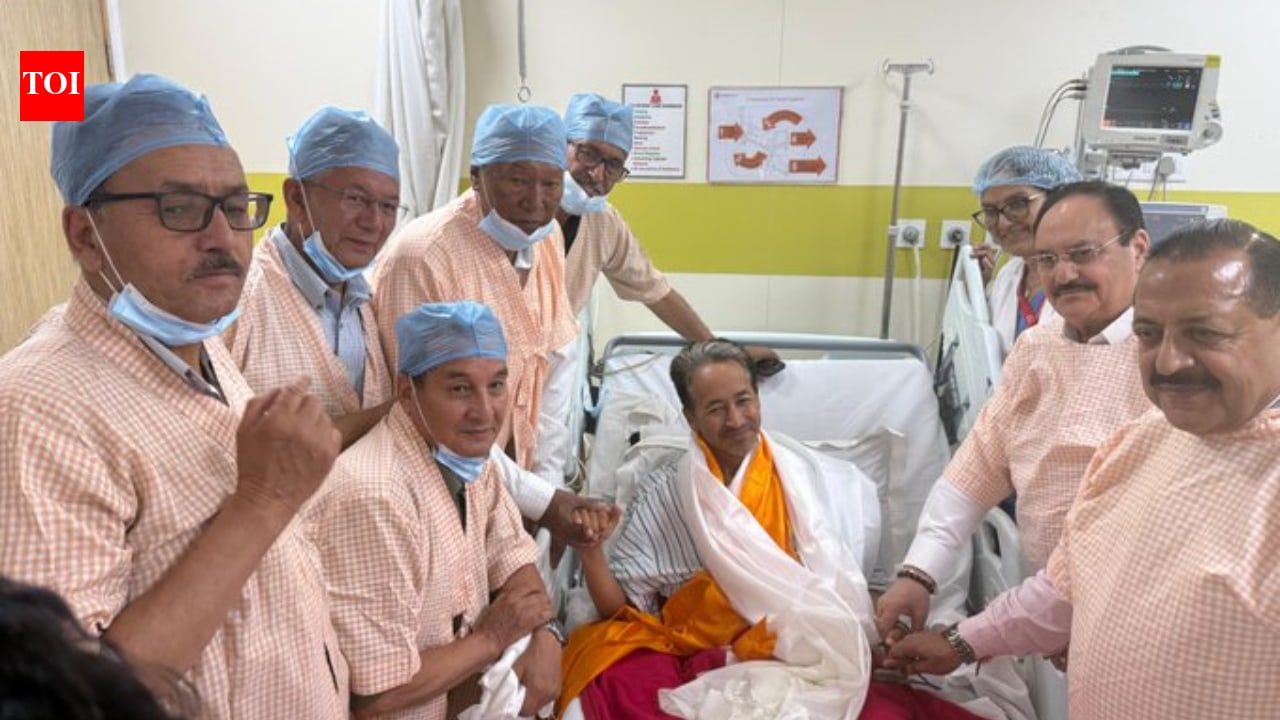
Student organizations are staging widespread protests against alleged examination irregularities and police conduct in Delhi. Simultaneously, activist Sonam Wangchuk's family has expressed concern as he navigates a high-profile hunger strike.
Growing Unrest Over Examination Integrity
The recent surge in student activism, spearheaded by groups like the Naujawan Bharat Sabha (NBS) and the Disha Students’ Organisation, highlights a deepening crisis of confidence regarding India's examination infrastructure. Protests near the GVMC office and in the national capital reflect a coordinated pushback against recurring allegations of paper leaks and systemic examination scams. These students are not merely protesting isolated incidents; they are questioning the fundamental reliability of the National Testing Agency (NTA), which serves as the gatekeeper for millions of academic and professional aspirations across the country.
The Demand for Accountability
Central to the protesters' grievances is the demand for the resignation of Union Education Minister Dharmendra Pradhan. The agitation has moved beyond local grievances to target the highest levels of administrative responsibility. Activists like Abhijeet Dipke, founder of CJP, have publicly challenged the Minister to engage directly with the protesters at Jantar Mantar. This call for transparency suggests that the student movement views the Minister's current stance as insufficient to address the deep-seated anxieties of the youth, who feel their futures are being compromised by administrative negligence.
Police Conduct and the Right to Dissent
The protests have also been fueled by reports of aggressive police action against demonstrators in New Delhi. By framing the police response as an 'assault' on peaceful agitation, the student groups have successfully garnered solidarity from regional organizations. This narrative of victimhood has transformed the protest from a singular issue regarding exam leaks into a broader defense of the democratic right to dissent. The tension between security forces and student activists remains a flashpoint that complicates the government's ability to normalize the situation.
The Broader Context of Civil Disobedience
This wave of unrest is occurring alongside other high-profile acts of civil disobedience, such as the hunger strike led by Sonam Wangchuk. While Wangchuk’s protest addresses different policy concerns, his brother’s recent comments to the media regarding his health and the timeline of the fast underscore a period of significant social volatility. The 'worried' sentiment expressed by his family mirrors the emotional exhaustion felt by many activists currently challenging government policy, creating a climate where various movements are beginning to resonate with one another.
Future Implications and Policy Trajectory
Looking ahead, the longevity of these movements will depend on the government's willingness to reform the NTA and provide tangible accountability for the alleged scams. If the demands for the abolition of the NTA or structural systemic overhauls continue to be ignored, it is likely that these disjointed protests will coalesce into a more formidable political challenge. For the administration, the path forward requires a delicate balance between maintaining institutional order and addressing the legitimate grievances of a demographic that feels increasingly marginalized by the current examination and policy-making frameworks.
Multiple Citing Sources