CJP protest today LIVE updates: Wangchuk's 'character certificate' jibe at critics; 18 metro stations closed
Source Entity
Latest News: Todays Latest News Headlines from India & World | Hindustan Times | Hindustan Times
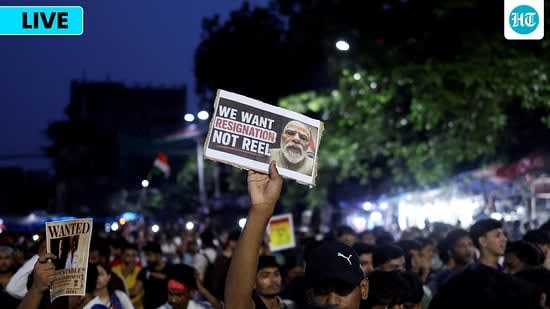
Student organizations are protesting across India against examination paper leaks and the National Testing Agency. Concurrently, activists are demanding ministerial accountability while Sonam Wangchuk's brother confirms the conclusion of a hunger strike.
Growing Unrest Over Examination Integrity
The recent wave of student-led protests across India marks a significant moment of civil unrest centered on the integrity of the nation's examination systems. Members of the Naujawan Bharat Sabha (NBS) and the Disha Students’ Organisation have taken to the streets, specifically targeting the perceived systemic failures within the National Testing Agency (NTA). These demonstrations, which occurred near the GVMC office and mirror sentiments expressed at Jantar Mantar, highlight a deep-seated frustration among the youth regarding paper leaks and examination scams that threaten their academic and professional futures.
Demands for Accountability and Institutional Reform
The protesters are not merely highlighting individual incidents of malpractice but are calling for structural change. The demand for the abolition of the NTA, voiced by members such as Sujan of the NBS, reflects a growing lack of confidence in the current centralized testing apparatus. By linking these local protests to the broader agitation in New Delhi, student bodies are attempting to create a unified national front. The specific call for the resignation of Union Education Minister Dharmendra Pradhan underscores the political dimension of this crisis, as students hold the executive branch directly responsible for oversight failures.
The Role of Civil Society and Media
The involvement of figures like CJP founder Abhijeet Dipke, who has publicly invited Minister Pradhan to engage with demonstrators at Jantar Mantar, indicates a push for direct dialogue between the government and the aggrieved students. This strategy aims to bring the grievances of the protesting youth into the mainstream media discourse, ensuring that the issue remains at the forefront of the national agenda. The coverage of these events by outlets like NDTV serves as a catalyst for awareness, amplifying the voices of those who feel their concerns have been ignored by administrative authorities.
Police Conduct and Civil Liberties
A critical element of the ongoing protests is the condemnation of police action against demonstrators in the national capital. Protesters have explicitly cited the alleged assault by Delhi Police on students at Jantar Mantar as a rallying point for their movement. This friction between law enforcement and student bodies has escalated the situation from a protest against examination policy to a broader debate on the right to peaceful assembly and the state's response to democratic dissent. The solidarity shown by student groups in different parts of the country suggests that these grievances are viewed as a shared struggle against state apathy.
Intersecting Movements and Future Outlook
While the focus remains on educational reform, the atmosphere of protest is further contextualized by other high-profile civic actions, such as the hunger strike led by environmentalist Sonam Wangchuk. Although the issues are distinct, the common thread of public agitation and the demand for government transparency connects these movements. As Dorjey Wangchuk noted regarding his brother's fast, the public is increasingly engaged in waiting for meaningful government responses to their demands. Moving forward, the government's ability to address the NTA's operational failures and manage the optics of police intervention will likely determine whether these protests subside or evolve into a more prolonged period of institutional instability.
Multiple Citing Sources
Verification Required?