Sukhvinder Sukhu has survived rebellion, disaster and debt. Can he now win?
Source Entity
Manraj Grewal Sharma
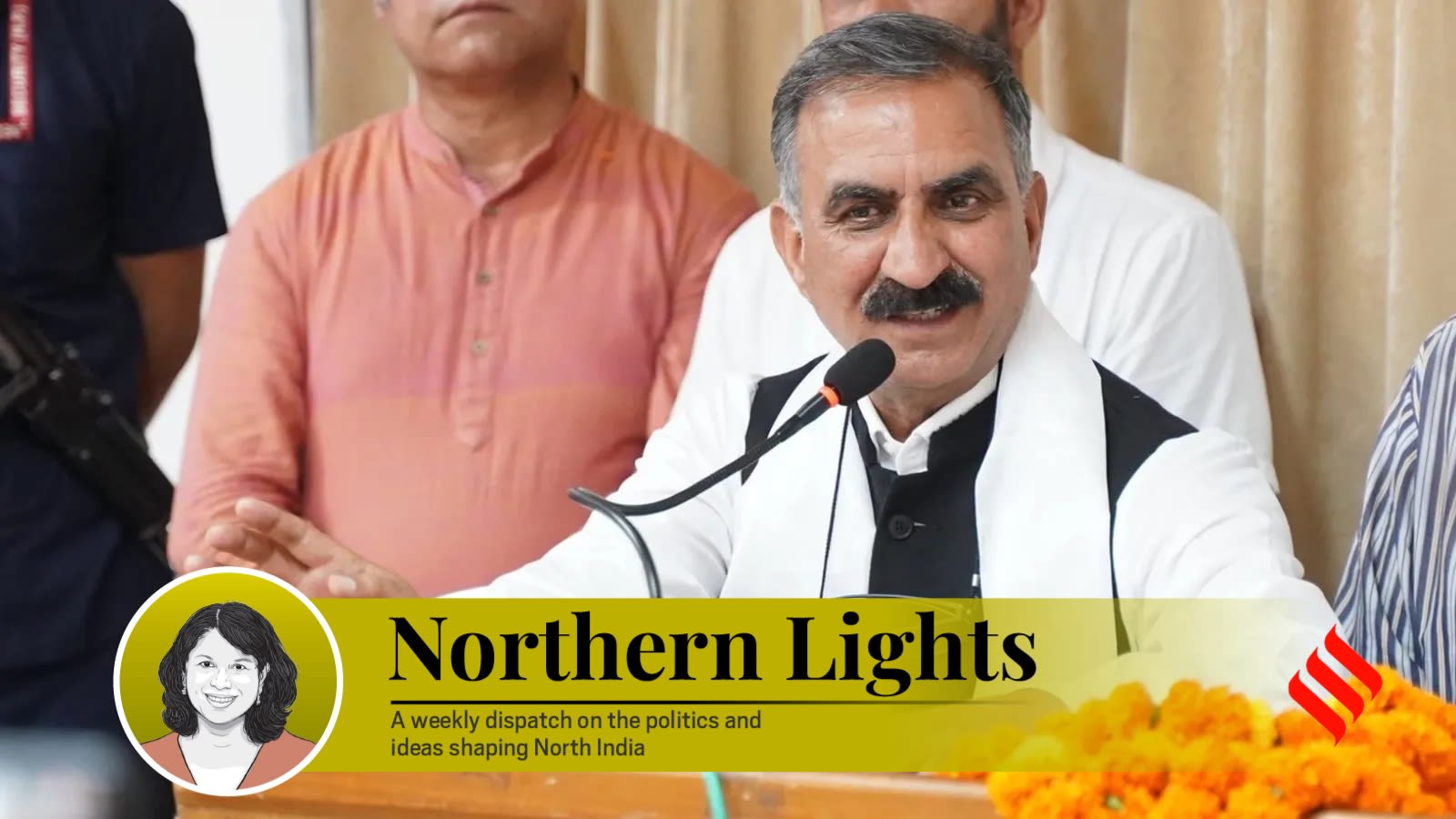
Himachal Pradesh CM Sukhvinder Singh Sukhu is proposing a 15–30% reduction in senior administrative positions to address the state's severe financial crisis. This move marks a shift in his governance model as he attempts to balance welfare commitments with fiscal sustainability.
The Fiscal Dilemma of Himachal Pradesh
Himachal Pradesh Chief Minister Sukhvinder Singh Sukhu has initiated a bold administrative restructuring, signaling a departure from his initial focus on 'vyavastha parivartan' (systemic change) toward a more pragmatic, austerity-driven governance model. By proposing a 15–30% reduction in the sanctioned strength of IAS, IPS, and Indian Forest Service officers, Sukhu is directly confronting the structural bloat that has historically plagued the state’s bureaucracy. This move is not merely a bureaucratic adjustment but a strategic attempt to reclaim fiscal space in a state characterized by high welfare expenditures and limited revenue streams.
The Shift Toward Austerity
For a state government that has long relied on extensive welfare programs to maintain public support, the realization that the system is 'too bulky and costly' represents a significant political pivot. The projected savings of Rs 200 crore serve as a crucial lifeline for a state currently grappling with significant debt. By targeting the upper echelons of the civil services, Sukhu is attempting to signal that the burden of fiscal discipline is being shared at the highest levels of governance, rather than solely impacting the populace through service cuts.
Navigating the Legacy of Virbhadra Singh
Sukhu’s tenure has been defined by his attempt to emerge from the shadow of the late Virbhadra Singh, the six-time Chief Minister and political giant of the Rampur-Bushahr estate. While Singh’s legacy was built on traditional, personality-driven patronage, Sukhu’s approach is fundamentally different. His rise from the grassroots to become the sole Congress Chief Minister in North India has forced him to rely on administrative reform rather than aristocratic legacy to solidify his authority.
Challenges of Welfare-Heavy Governance
Running a state like Himachal Pradesh presents an inherent paradox: the geography and social structure demand robust state intervention and welfare, yet the state’s financial reality is increasingly constrained. Sukhu’s struggle to maintain this balance has been compounded by external pressures, including natural disasters and internal party rebellions. His recent decision to prune the bureaucracy reflects a realization that traditional methods of funding welfare are no longer sustainable in the current economic climate.
Future Implications and Political Risk
While the reduction in officer strength may provide immediate fiscal relief, it introduces long-term risks regarding administrative efficiency and political pushback from the permanent bureaucracy. Sukhu’s ability to successfully implement these cuts will likely determine the trajectory of his political survival. If he can demonstrate that a leaner system is not only cheaper but more effective, he may set a precedent for other states facing similar debt crises. However, any failure to maintain service delivery during this transition could provide his political opponents with the ammunition needed to challenge his leadership in future electoral cycles.