Supreme Court allows release of animated film Mahaprabhu Jagannath after Rath Yatra, says animation cannot erode devotion
Source Entity
India Latest News: Top National Headlines Today & Breaking News | The Hindu
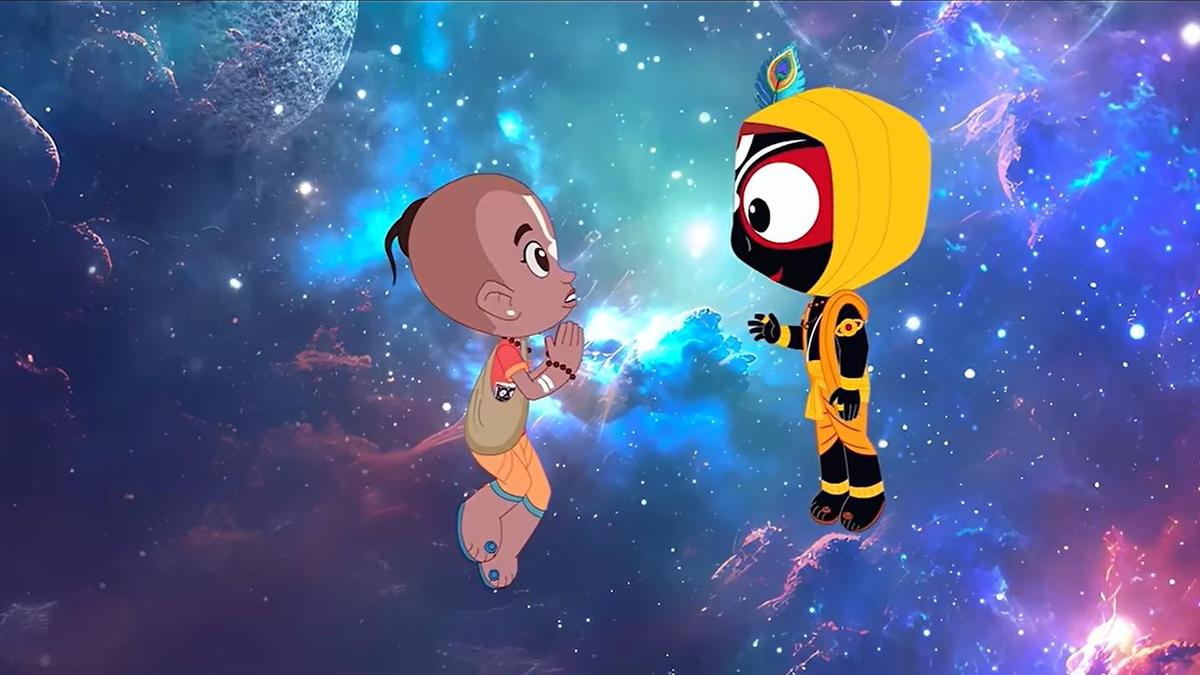
The Supreme Court has permitted the release of the animated film 'Mahaprabhu Jagannath' starting July 28, 2026. The bench ruled that animated fiction does not diminish religious devotion, opting to delay the release until after the conclusion of the Rath Yatra.
Supreme Court Rules on 'Mahaprabhu Jagannath' Release
In a landmark observation regarding the intersection of religious sentiment and artistic expression, the Supreme Court of India on July 17, 2026, cleared the path for the release of the animated film Mahaprabhu Jagannath. The film had faced significant opposition from the Odisha government and trustees of the Lord Jagannath Temple in Puri, who argued that the narrative failed to strictly adhere to the Skanda Purana and Brahma Purana.
The Bench’s Perspective on Devotion and Fiction
Justice B.V. Nagarathna, leading the Division Bench, provided a philosophical defense of creative freedom. Addressing the objectors, the court posited that devotion is an internal, personal experience that cannot be undermined by animated fiction. The Bench emphasized that artistic interpretations are inherently acts of imagination, and demanding that fiction strictly mirror ancient religious texts overlooks the nature of creative storytelling.
Balancing Tradition with Modern Media
By acknowledging that the film is a product of imagination rather than a theological treatise, the court has set a precedent for how judiciary bodies handle challenges to mythological depictions in modern media. The ruling suggests that while religious sensitivities are a matter of public concern, they do not necessarily grant a veto power over cinematic representations of deities, provided they do not cross into legal obscenity or malice.
The 'Middle Path' Compromise
To respect the sanctity of the ongoing Rath Yatra—a festival of immense cultural and religious significance—the court adopted a balanced approach. While it rejected the plea for a permanent ban, it ordered that the film’s release be deferred until July 28, 2026. This tactical delay ensures that the film does not coincide with the most sensitive period of the chariot festival, thereby mitigating potential communal or emotional friction.
Future Implications for Religious Depictions
This ruling carries significant weight for future content creators who seek to explore Indian mythology through animation and digital storytelling. It signals that the judiciary is unlikely to enforce strict scriptural accuracy in fictional works, provided the intent is not to disparage. This provides a level of legal protection for artists, while the court's 'middle path' strategy serves as a template for resolving similar disputes by prioritizing social harmony alongside constitutional rights.
Verification Required?