Supreme Court allows release of animated film on Lord Jagannath after Rath Yatra
Source Entity
The Indian Express
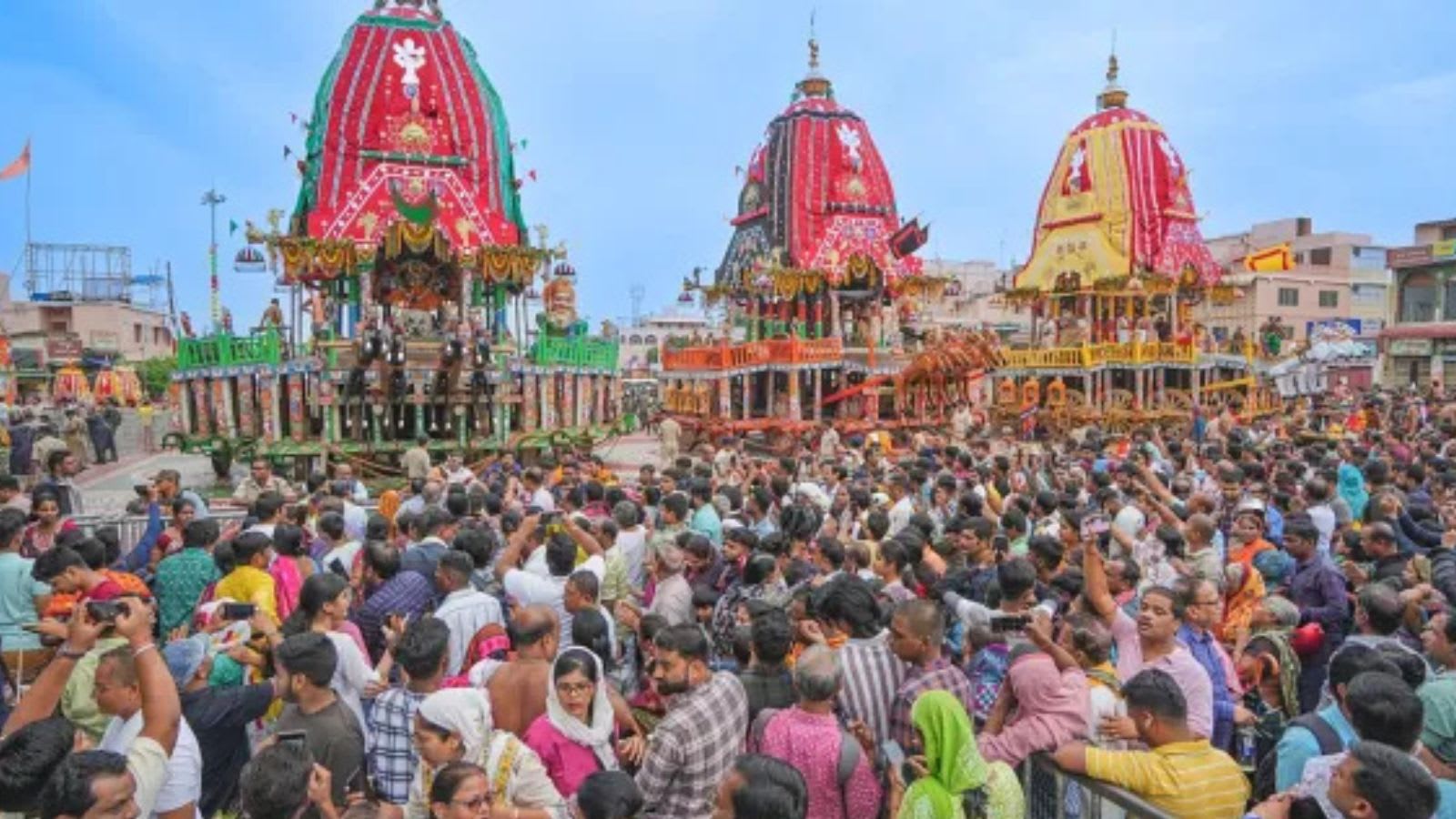
The Supreme Court has permitted the release of the animated film 'Mahaprabhu Jagannath' after July 28, following the conclusion of the annual Rath Yatra. This decision resolves a legal conflict where the Orissa High Court had initially banned the film over concerns regarding its adherence to religious texts.
Legal Conflict Over Religious Depiction in Cinema
The legal dispute surrounding the animated film Mahaprabhu Jagannath highlights a complex intersection between creative freedom, administrative certification, and the preservation of religious sentiments in India. The controversy began when the Orissa High Court imposed a nationwide ban on the film, citing concerns that its depiction of the deity, specifically regarding his childhood and adventures, did not strictly align with the Skanda Purana and Brahma Purana. This judicial intervention created a significant hurdle for the producers, Ele Animations, who had already secured certification from the Central Board of Film Certification (CBFC).
The Role of CBFC and Judicial Scrutiny
Central to this case is the question of the extent to which a court can override a film certification granted by the CBFC. The producers argued that the film, designed primarily for a children’s audience, had undergone the necessary regulatory scrutiny. They contended that since the film uses animation and features no human actors portraying the deity, it inherently functions as a fictionalized devotional work. However, the High Court’s decision to intervene was predicated on the potential for public disorder and the perceived deviation from established religious texts, raising questions about the scope of judicial power in censoring artistic expressions of faith.
Balancing Public Order and Artistic Expression
During the proceedings before the Supreme Court, the petitioners argued that the High Court’s mandate had caused significant financial strain. With theatrical bookings already finalized for a July 17 release across 300 screens, the producers faced substantial commercial losses. The legal challenge brought before the bench headed by Chief Justice Surya Kant, and later heard by Justices B.V. Nagarathna and R. Mahadevan, focused on whether the judiciary should act as an arbiter of theological accuracy in cinema or if such creative works should be granted broader autonomy under the umbrella of artistic freedom.
The Rath Yatra Context
The timing of the film's release was particularly sensitive due to the annual Rath Yatra in Puri, a major religious event that draws millions of devotees. The Supreme Court's decision to allow the release on or after July 28, once the Rath Yatra concludes, reflects a balanced approach. By delaying the screening rather than imposing a total ban, the court sought to mitigate concerns regarding potential public disorder during the most sacred period of the festival while simultaneously upholding the rights of the filmmakers to distribute their certified work.
Future Trends in Religious Cinema
This case sets a significant precedent for future animated and religious-themed content in India. It underscores that while the CBFC remains the primary body for film regulation, courts are likely to intervene when there is a plausible link to public order or deep-seated religious sensitivity. The assertion by the Supreme Court that 'animation cannot erode devotion' suggests a judicial inclination toward protecting creative interpretation, provided it does not incite unrest. As animation becomes a more popular medium for retelling mythological stories, filmmakers will likely need to navigate these delicate cultural landscapes with both regulatory compliance and a nuanced understanding of public sentiment.
Multiple Citing Sources