Row over film on Lord Jagannath: Can courts stop release of a CBFC-certified film?
Source Entity
Amaal Sheikh
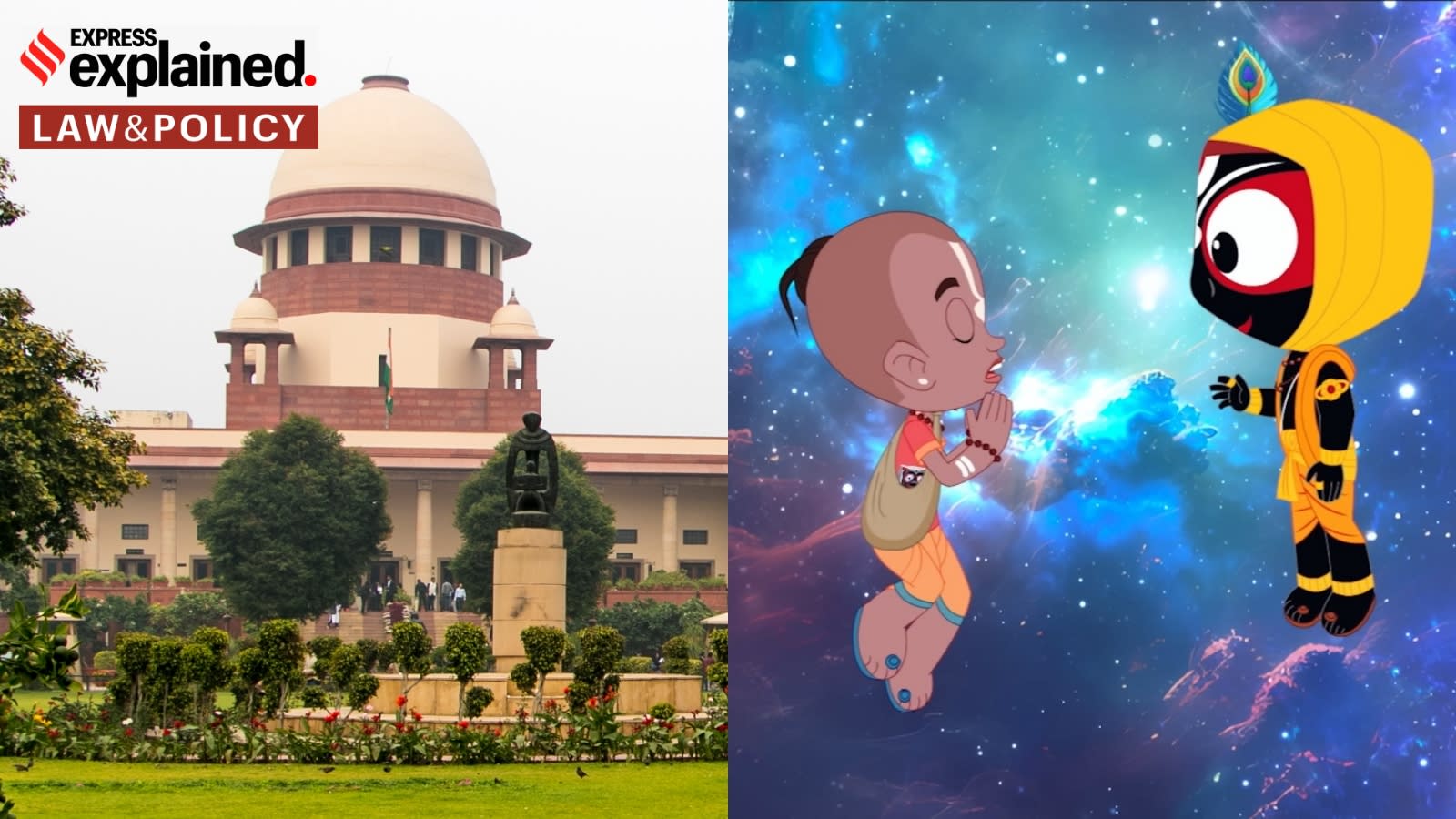
The Supreme Court has permitted the release of the animated film 'Mahaprabhu Jagannath' after July 28, following the conclusion of the annual Rath Yatra. This decision resolves a legal conflict between the Orissa High Court’s initial ban over religious text adherence and the producer's challenge regarding the authority of CBFC certification.
Legal Conflict Over Religious Depiction in Animation
The recent legal battle surrounding the animated film Mahaprabhu Jagannath highlights a complex intersection between creative freedom, religious sensitivity, and judicial oversight in India. The controversy began when the Orissa High Court imposed a nationwide ban on the film, citing concerns that its portrayal of Lord Jagannath’s childhood and adventures did not strictly adhere to religious texts, specifically the Skanda Purana and the Brahma Purana. This judicial intervention prompted an urgent appeal by the producers, Ele Animations, who sought to protect their commercial interests and the artistic integrity of their CBFC-certified work.
The Role of CBFC Certification vs. Judicial Intervention
A pivotal aspect of this dispute is the scope of the High Court’s power to restrain a film that has already received clearance from the Central Board of Film Certification (CBFC). The producers argued that the CBFC, as the statutory body tasked with certifying films, had already vetted the content. The High Court, however, entertained a writ petition that focused on potential public disorder and the impact on religious sentiments, effectively overriding the certification process to prevent a perceived misalignment with sacred texts.
Balancing Religious Sentiment and Artistic Expression
The petitioners argued that the film’s depiction of the deity could incite public unrest, particularly during the sensitive period of the Rath Yatra in Puri. This raised fundamental questions about whether artistic works—especially children’s animation—should be held to the standard of academic or theological exactness. The producers maintained that the film, being an animated work, inherently carries a disclaimer and does not feature human actors, which should mitigate concerns regarding the sacrilege of the deity's portrayal.
The Supreme Court’s Measured Resolution
Recognizing the need to balance commercial viability with the maintenance of public order, the Supreme Court bench headed by Justices B V Nagarathna and R Mahadevan intervened. While declining to allow the film's release on its original date of July 17, 2026, the court provided a clear path forward: the film could be released on or after July 28, 2026, once the annual Rath Yatra concludes. This compromise acknowledges the sanctity of the festival while respecting the legal certification granted to the film.
Future Implications for Religious Content in Media
This case serves as a precedent for how courts may handle future challenges regarding the depiction of religious figures in popular media. By ruling that animation cannot be viewed as an erosion of devotion, the Supreme Court has signaled a nuanced approach to content regulation. It suggests that while religious sentiments are a valid concern, they must be balanced against the established authority of the CBFC and the necessity of allowing creative industries to operate without the constant threat of broad, indefinite bans.
Conclusion
The resolution of the Mahaprabhu Jagannath case underscores the court's role as a mediator in disputes involving cultural heritage and modern media. By setting a specific date for release, the Supreme Court has effectively addressed the immediate threat of commercial loss for the producers while ensuring that the religious sentiments of the public during the Rath Yatra remain undisturbed. This outcome provides a template for future disputes, emphasizing that judicial intervention should be surgical and time-bound rather than absolute.
Multiple Citing Sources