Supreme Court asks authorities to release lawyers detained over CJP protest
Source Entity
AADRITA HALDER
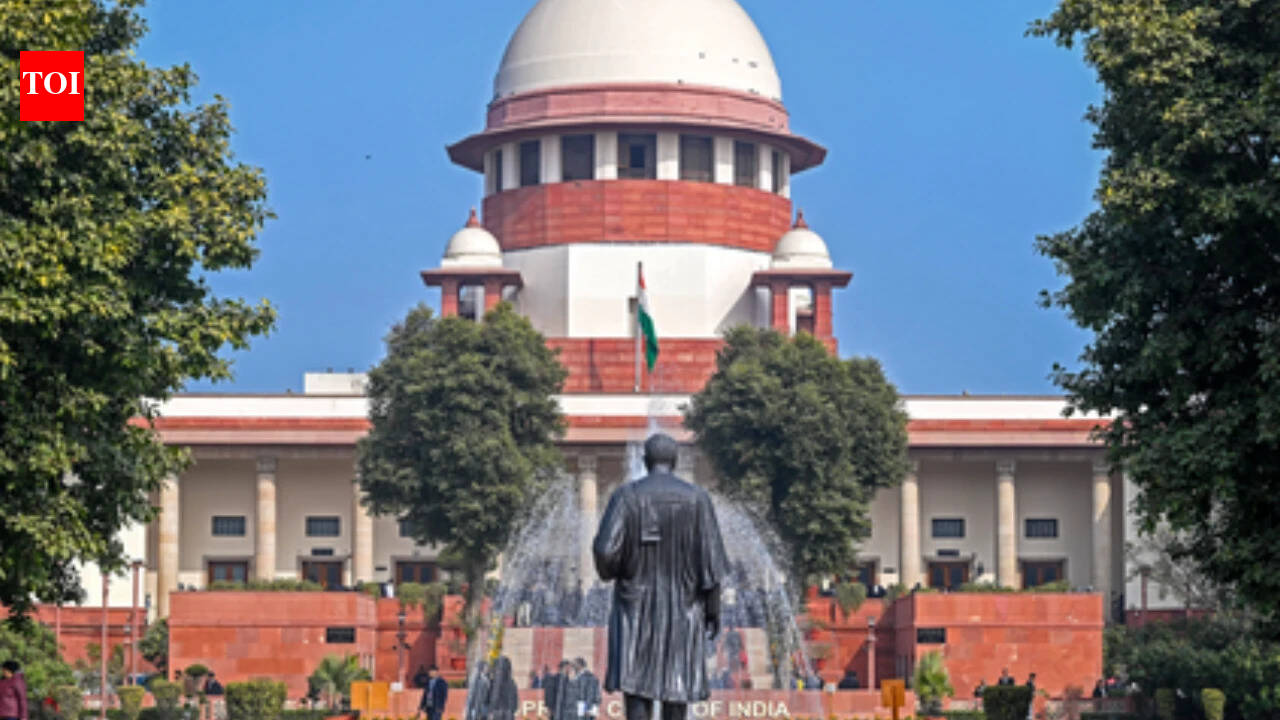
The Supreme Court Bar Association has sought the urgent intervention of Chief Justice of India Surya Kant following the detention of lawyers during protests on October 10, 2026. The SCBA has condemned the alleged use of excessive force and is demanding the immediate release and legal protection of the detained advocates.
Tensions Escalate at the Supreme Court: Lawyers Detained During Protests
On October 10, 2026, the vicinity of the Supreme Court of India became the site of a significant confrontation between law enforcement agencies and members of the legal fraternity. During a protest organized in relation to the Anti-CEC (Chief Election Commissioner) movement, Delhi Police detained a substantial number of advocates, including both senior and young members of the bar. The incident has triggered a sharp response from the legal community, highlighting long-standing tensions regarding the right to peaceful assembly and the treatment of legal professionals by state authorities.
The SCBA's Urgent Appeal to the Judiciary
Following the reports of mass detentions, the Supreme Court Bar Association (SCBA) issued a formal statement expressing grave concern over the situation. The Association specifically highlighted the use of what it termed "excessive force" against the protesters, noting with particular alarm the detention of women lawyers. In response, the SCBA has formally requested the intervention of Chief Justice of India (CJI) Surya Kant to address the matter with the relevant executive authorities immediately.
Prioritizing Safety and Due Process
The primary demand from the SCBA is centered on the immediate safety and well-being of the detained individuals. The Association has urged the CJI to ensure that all detained lawyers are provided with immediate access to legal assistance, a fundamental right that the bar argues must be upheld regardless of the nature of the protest. By seeking the CJI’s direct involvement, the SCBA is attempting to leverage the highest judicial office to ensure that the executive branch adheres to constitutional norms regarding detention and due process.
Broader Implications for Legal Advocacy
The detention of lawyers within the Supreme Court premises is a rare and highly sensitive development. Historically, the legal fraternity has served as a critical pillar of democratic discourse in India, often acting as a bridge between the citizenry and the state. When lawyers become the target of police action during a protest, it raises significant questions about the space allowed for dissent and the protection of professional advocacy. This incident risks deepening the divide between the law enforcement apparatus and the judiciary.
Future Trends and Judicial Oversight
As the situation unfolds, the role of the CJI will be pivotal in determining whether the police actions were justified or constituted an overreach of power. The outcome of this intervention will likely set a precedent for how future protests by legal professionals are handled. If the court finds that the detentions were unlawful, it may necessitate a re-evaluation of police protocols during protests near sensitive judicial installations. Conversely, if the court finds the detentions were necessary to maintain order, it could signal a more restrictive approach to public demonstrations in the capital.
Conclusion
The events of October 10, 2026, represent a critical junction for the relationship between the Indian judiciary and the executive. With the SCBA actively pushing for accountability, the focus now shifts to the response from the Chief Justice of India. The legal community remains vigilant, awaiting the release of their colleagues and a definitive judicial stance on the boundaries of peaceful protest and state intervention.