Why’s CJI not on panel to pick CEC, Supreme Court asks government
Source Entity
AMIT ANAND CHOUDHARY
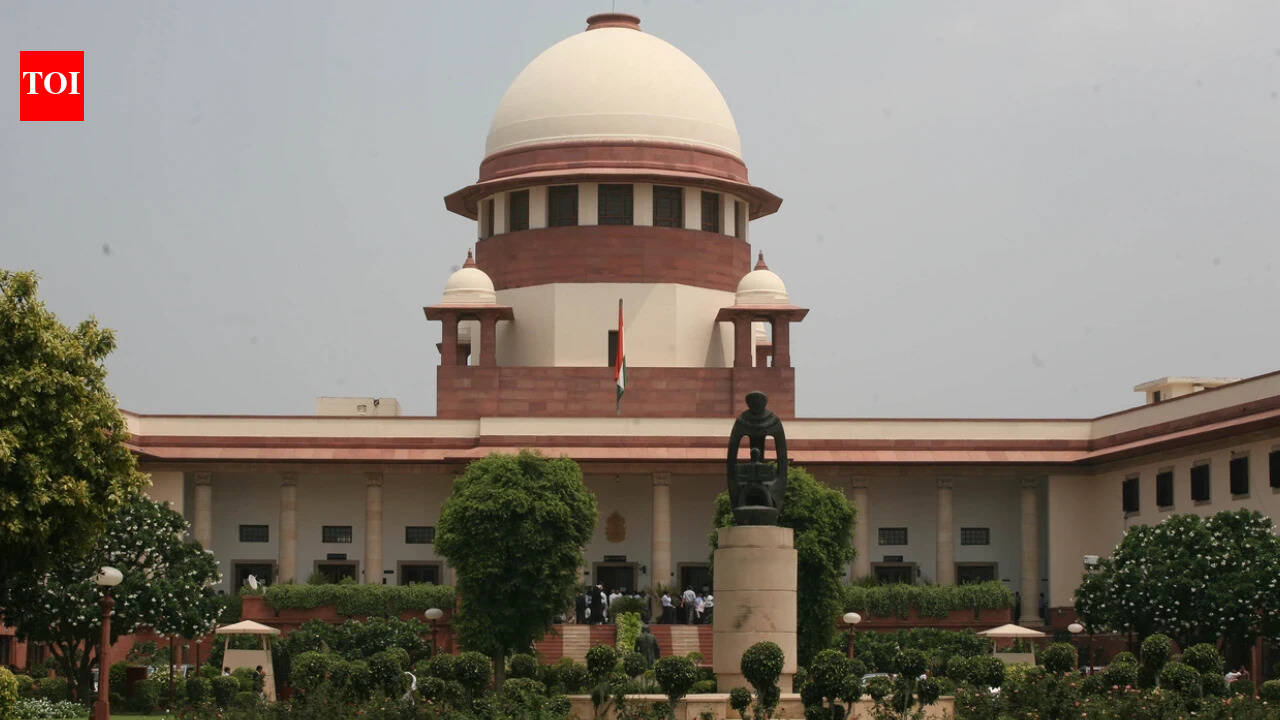
The Supreme Court is scrutinizing the 2023 Act which excludes the Chief Justice of India from the Election Commission appointment panel. Justices are questioning the fairness of a committee dominated by the executive branch, while the government maintains the process respects legislative wisdom.
The Judicial Scrutiny of Election Commission Appointments
The Supreme Court of India has initiated a critical examination of the Chief Election Commissioner and Other Election Commissioners (Appointment, Conditions of Service and Term of Office) Act, 2023. The core of this legal challenge centers on the composition of the selection committee, which, under the current legislation, consists of the Prime Minister, a Union Minister, and the Leader of the Opposition. This structure effectively grants the executive branch a majority, prompting the bench of Justices Dipankar Datta and S C Sharma to inquire into the necessity of excluding the Chief Justice of India (CJI) from the process.
The Question of Institutional Fairness
During the proceedings, the judiciary emphasized the principle of perceived fairness in democratic institutions. By questioning whether there should be a "show of fairness" in the appointment procedure, the Supreme Court is highlighting the constitutional importance of the Election Commission as an independent body. The court noted that the CJI is included in other significant appointment committees, raising the question of why the selection of the election commissioners—the guardians of India's electoral integrity—should be an exception to this collaborative model.
Executive Defense and Legislative Wisdom
The Centre, represented by Solicitor General Tushar Mehta, has defended the 2023 Act by invoking the concept of legislative wisdom. The government argues that it is improper to assume that the Prime Minister and the Union Minister would act against the interests of democracy simply because they hold a numerical majority on the panel. This defense underscores a fundamental tension in Indian governance: the balance between the executive’s authority to enact policy and the judiciary’s role in ensuring that such policies do not undermine the independence of constitutional watchdogs.
Addressing the Trust Deficit
It is important to note that the bench clarified its position by stating it is not questioning the personal trustworthiness of the Prime Minister. Instead, the court is focusing on the structural design of the committee. The legal debate is centered on whether a body that requires absolute political neutrality should be formed through a process where the executive branch can, in theory, bypass opposition input entirely through its majority status.
Future Implications for Electoral Integrity
The outcome of these petitions will have significant implications for the future of Indian democracy. The Election Commission is a cornerstone of the nation’s electoral process, and the mechanism for appointing its members directly affects public confidence in the fairness of elections. As the Supreme Court continues to weigh the arguments, the case serves as a reminder of the ongoing dialogue between the branches of government regarding the checks and balances necessary to maintain institutional independence in a vibrant, yet complex, democratic framework.
Multiple Citing Sources