‘Demands unmet’: CJP calls march on Sept 5
Source Entity
SUGANDHA JHA
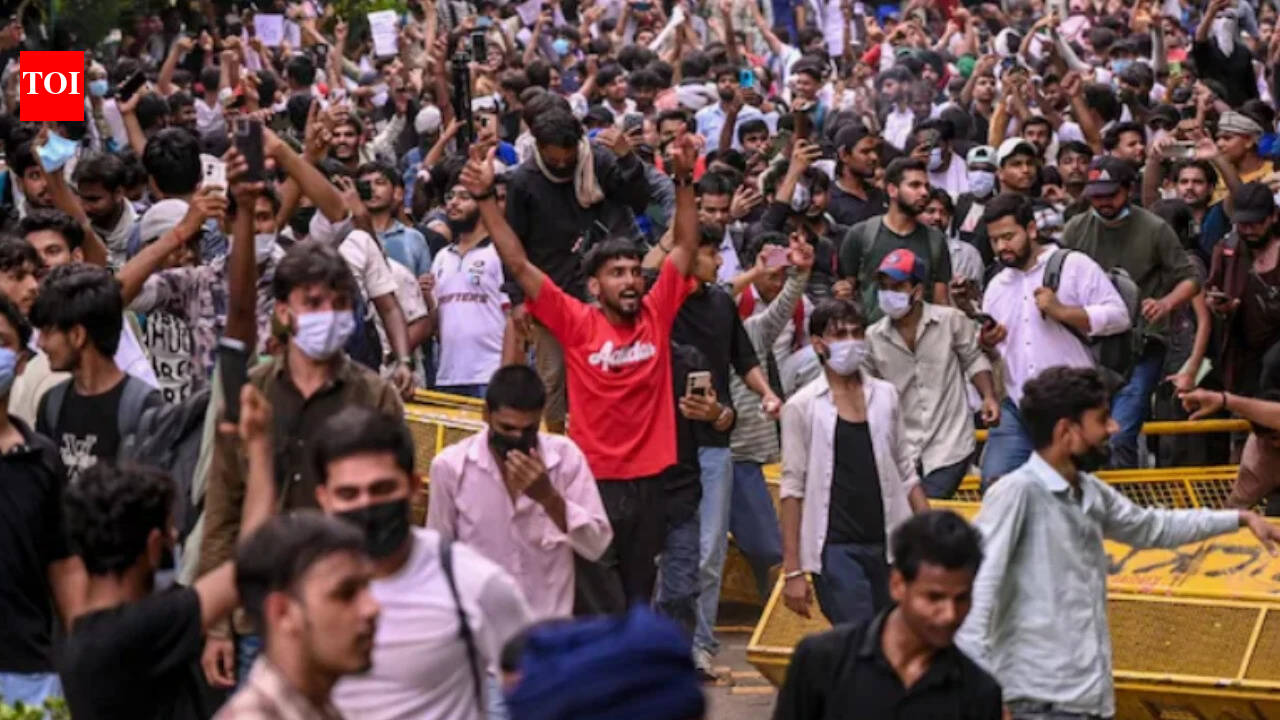
The Supreme Court has declined a separate probe into sexual assault allegations during July 20 protests, citing the ongoing investigation by the HPEC. Meanwhile, the Cockroach Janta Party plans a September 5 march to demand government accountability regarding promises made to students.
Judicial Oversight and the July 20 Protest Allegations
The Supreme Court of India, led by a bench comprising Chief Justice Surya Kant and Justices Joymalya Bagchi and V Mohana, has formally declined to initiate separate suo motu proceedings regarding allegations of sexual assault against women during the July 20 student protests. The court’s decision is rooted in the existence of a pre-established mechanism designed to handle such grievances. By referring these specific claims to the five-member High-Powered Enquiry Committee (HPEC) headed by former judge R Subhash Reddy, the judiciary is attempting to streamline the investigative process and avoid jurisdictional redundancy.
The Mandate of the High-Powered Enquiry Committee
The HPEC, which was constituted last week, has been granted a broad mandate that explicitly includes the investigation of targeted violence, harassment, and molestation. By prioritizing these issues, the Supreme Court aims to address the concerns raised by senior advocate Shobha Gupta without bifurcating the inquiry. This move reflects a judicial preference for consolidated evidentiary gathering, ensuring that allegations of secondary victimization are examined within the context of the broader protest-related violence rather than as isolated incidents.
Escalating Tensions: The Cockroach Janta Party's Response
Parallel to the legal proceedings, the political landscape remains fraught with tension. The Cockroach Janta Party (CJP) has announced a peaceful march scheduled for September 5, moving from India Gate to the Delhi Police headquarters. This demonstration is a direct response to the perceived failure of the government to honor commitments made on July 25, which were intended to conclude the initial agitation. The CJP’s call to action, themed “Keep Your Word,” signals a growing impatience among student groups and affected families.
The Role of Stakeholders and Human Impact
A significant aspect of the upcoming September 5 march is the leadership composition. By placing the families of deceased NEET students at the forefront, the CJP is centering the human cost of the ongoing crisis. The inclusion of survivors of the July 20 police action alongside these families serves to unify various segments of the protest movement. This strategic positioning underscores the emotional and political weight of the demands, which include the resignation of former Union Education Minister Dharmendra Pradhan and a Rs 1-crore compensation for each affected family.
Broader Implications and Future Trends
The intersection of these two developments—judicial investigation and civil protest—highlights the current fragility of the discourse surrounding student safety and administrative accountability in New Delhi. The Supreme Court’s reliance on the HPEC suggests that the judiciary is looking for a definitive, fact-based conclusion to the July 20 events before considering further intervention. Conversely, the CJP’s continued mobilization suggests that public trust in administrative promises is waning, potentially leading to further civil unrest if the HPEC’s findings are not perceived as transparent or equitable by the protest groups.
Conclusion
The situation remains a critical test of institutional responsiveness. While the Supreme Court maintains that existing committees are sufficient to address allegations of sexual assault, the organized dissent led by the CJP indicates that political pressure will continue to mount. The outcome of the HPEC inquiry and the reception of the September 5 march will likely dictate the next phase of this student-led movement, determining whether the government can restore its credibility or if the cycle of protest and counter-reaction will intensify.