Consumer forums can’t be mere rehabalitaion centres for retired: SC
Source Entity
DHANANJAY MAHAPATRA
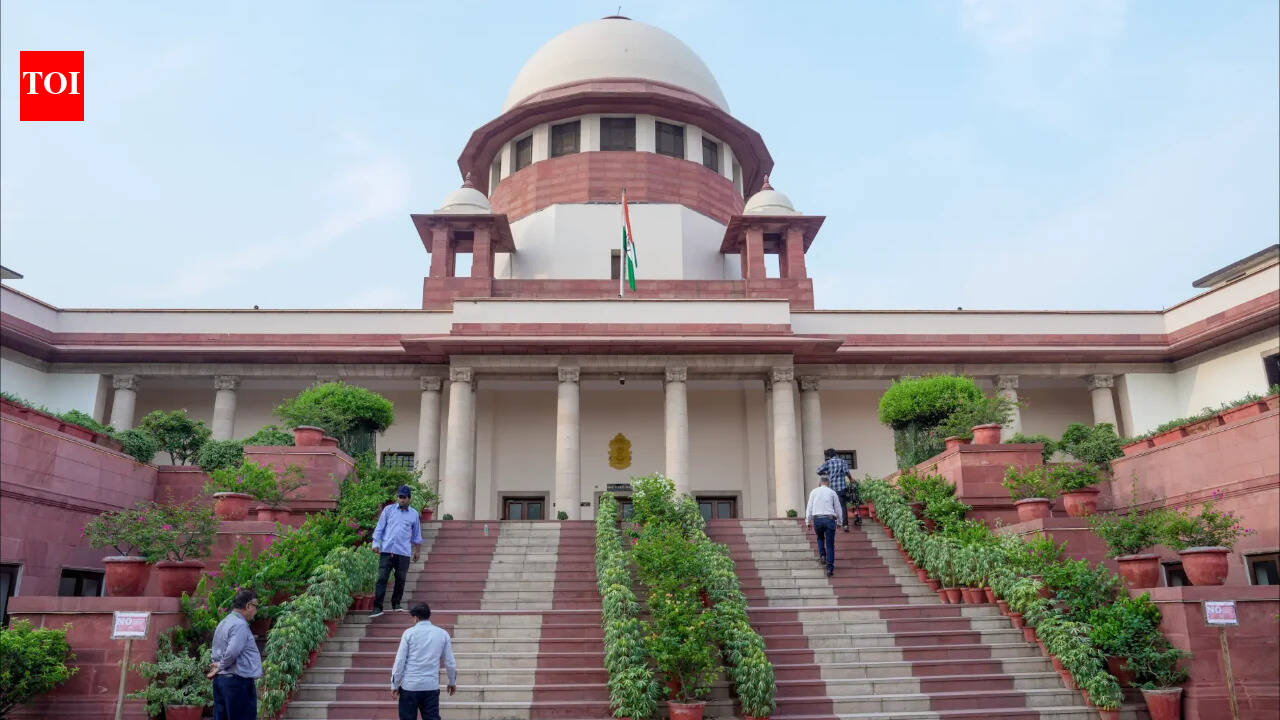
The Supreme Court has criticized consumer commissions for slow case disposal, warning that these bodies should not serve as post-retirement rehabilitation for judges and bureaucrats. The court has ordered a comprehensive nationwide audit to evaluate performance, accountability, and infrastructure.
Supreme Court Mandates Audit of Consumer Commissions
In a significant judicial intervention, the Supreme Court of India has taken a stern stance regarding the efficacy and operational standards of consumer dispute redressal commissions across the nation. A bench led by Chief Justice of India Surya Kant, alongside Justices Joymalya Bagchi and V Mohana, has expressed profound concern over the mounting pendency of cases and the remarkably slow disposal rates within these quasi-judicial bodies, specifically highlighting the National Consumer Disputes Redressal Commission (NCDRC).
The 'Rehabilitation' Critique
The court’s most scathing observation centers on the nature of appointments to these commissions. The Bench explicitly stated that consumer forums cannot be reduced to "rehabilitation centres" for retired judges and bureaucrats. This critique challenges the systemic practice of filling these critical consumer protection roles with individuals whose primary qualification may be their retirement status rather than a demonstrated commitment to the swift and efficient resolution of consumer grievances.
Call for Performance Audits
To address these systemic failures, the Supreme Court has ordered a detailed, pan-India performance evaluation exercise. This audit is designed to assess not only the quantitative output of these commissions but also the qualitative impact of appointments. By scrutinizing the work done by former judicial officers and retired bureaucrats, the court aims to establish a baseline of accountability that has been largely absent in the current administrative structure of these forums.
Infrastructure and Accountability
Beyond the personnel issue, the court underscored the urgent need for better infrastructure and a overhaul of the procedural frameworks governing these commissions. The reliance on legacy systems and the lack of robust oversight have contributed to a backlog that undermines the very purpose of the Consumer Protection Act. The court's directive suggests that the current state of consumer forums is failing to provide the timely justice that Indian consumers are legally entitled to receive.
Historical Context and Future Implications
The Supreme Court’s intervention, delivered in a 29-page judgement, draws parallels to the scrutiny applied in long-running litigation cases, such as the TN Godavarman Thirumulpad matter. By invoking this level of judicial oversight, the court is signaling a shift toward stricter governance of quasi-judicial bodies. Moving forward, this audit is likely to force the government to reconsider its appointment criteria, potentially leading to more transparent, merit-based selection processes that prioritize expertise and efficiency over post-service benefits.
Concluding Summary
Ultimately, the Supreme Court's directive serves as a wake-up call for the administrative machinery overseeing consumer redressal. By demanding a comprehensive audit and questioning the 'rehabilitation' culture, the judiciary is asserting that the protection of consumer rights is a vital public function that demands professional rigor rather than bureaucratic complacency. The success of this initiative will hinge on the government's willingness to implement the court's recommendations and shift toward a more accountable, performance-driven model for these commissions.